

Bouclé Sofa Care: Weekly Vacuuming and Museum Lessons for Home Buyers
For most bouclé sofas, the single best immediate care step is weekly low-suction vacuuming and immediate blotting of spills, never rubbing or applying heat. Before using any cleaner, check the fabric cleaning code on the tag. A quick spot test in a hidden area confirms a product is safe, and deep-set or large stains are best handed to a professional rather than tackled with repeated scrubbing.
TL;DR:
- Check the care code: W allows water based cleaners, S calls for solvent cleaning, WS permits either, and X means vacuum only; spot test first.
- For W or WS fabrics, treat spills with cool water and mild detergent, never rubbing or heat; blood, dairy, and egg require cold water.
- Call a professional for set stains, widespread soil, persistent odors, or liquid reaching the filling; ask for IICRC certification and a physical fabric inspection.
- Ease snags back from the reverse side with a blunt needle; never cut loops, and test a fabric shaver discreetly before removing pilling.
- For everyday seating, seek fabrics rated 15,000 to 25,000 double rubs; busy family rooms need at least 25,000, while tighter, smaller loops snag less.
Table of Contents
- Check the cleaning code and prepare safely
- Your weekly bouclé maintenance routine
- How to handle spills and stains without damaging the loops
- Dealing with snags, pulls, and pilling
- When to call a professional upholstery cleaner
- Choosing bouclé that’s easier to live with from the start
- Is bouclé worth the extra care it needs?
- A gentler path: choosing bouclé built for how you actually live
- FAQ
- Sources
Check the cleaning code and prepare safely
Every bouclé sofa should carry a care tag, usually stitched under a cushion or along the frame’s underside, with a single letter that tells you exactly what the fabric can handle. That code matters more than any general cleaning tip you’ll find online.
- W means water-based cleaners only.
- S means solvent-based cleaners only, and in practice these fabrics usually need a professional.
- WS means either water-based or solvent-based cleaners are safe.
- X means vacuum only; no liquid cleaner of any kind.
The backing and finish behind the loops affect what’s actually safe, which is why IICRC guidance recommends a physical assessment of fiber content and construction before any cleaning method is chosen, rather than relying on the code alone. A bouclé blend with a delicate backing can react differently than a tightly woven synthetic version, even if both carry the same letter.
Before using any product, test it on a hidden patch, the back of a cushion or the underside of an arm works well. Apply a small amount, let it sit for a few minutes, then blot and check for color transfer, texture change or residue. Give it time to dry fully and inspect again before using it on a visible area. Taking a photo of the test spot gives you something to compare against later if you’re unsure whether the fabric has changed.
Your weekly bouclé maintenance routine
A simple routine, done consistently, prevents most of the damage that eventually sends a bouclé sofa to a professional cleaner. The loops in bouclé trap dust and grit between the fibers, and that trapped debris behaves abrasively against the yarn over time.
- Vacuum weekly using a soft upholstery attachment on the lowest suction setting, moving in the direction of the nap rather than against it.
- For delicate or loosely woven bouclé, lay a clean nylon mesh screen over the surface before vacuuming so the nozzle can’t catch or pull individual loops.
- Brush gently with a soft-bristle upholstery brush between vacuuming sessions to lift embedded lint and pet hair.
- Rotate and flip seat cushions every couple of weeks so wear spreads evenly across the fabric.
- Check seams, piping and welting monthly for loose threads or early fraying, since these areas wear faster than the open face of the cushion.
This low-suction approach mirrors conservation practice for looped textiles: museum guidance on upholstered furniture specifically recommends vacuuming through a nylon mesh screen and controlling humidity and light to slow fiber deterioration. The same logic applies at home. Keep your bouclé sofa out of direct sunlight where possible, since UV exposure fades color and weakens fibers over months of exposure. Where you can control it, aim to keep indoor humidity in a moderate range rather than letting the room swing between very dry and very damp conditions, since extreme humidity shifts stress natural and blended fibers differently.
Pro Tip: Keep a small handheld vacuum with a brush attachment near the sofa so quick touch-ups happen before crumbs and pet hair get ground into the loops.
For readers weighing a swap over a deep clean, our guide to upholstered bed care covers the same vacuum-and-code approach for other upholstered pieces in the home.
How to handle spills and stains without damaging the loops
Speed matters more than product choice in the first sixty seconds after a spill. Blot immediately with a clean white cloth, pressing rather than rubbing, and work from the outer edge of the stain inward so you don’t spread it wider.
- Blot up as much liquid as possible before reaching for any cleaner.
- For W or WS coded fabrics, mix a small amount of mild, pH-neutral detergent with cool water, apply it to a cloth rather than directly to the fabric, and blot in the same outer-to-inner pattern.
- Rinse by blotting with a cloth dampened in plain cool water, then press a dry towel against the spot to absorb excess moisture.
- Let the area air dry completely before sitting on it or vacuuming it again, and avoid any heat source, a hair dryer, heater vent or direct sun to speed drying.
- For S coded fabrics, stop here and call a professional, since solvent-based cleaning carries more risk of discoloration or backing damage if handled without the right training.
Protein-based stains, blood, dairy, egg, behave differently than most other spills. Hot water sets these stains by cooking the protein into the fibers, so always use cold water first and never warm or hot water on a fresh protein stain.
One in the most consistently repeated rules across fabric-care guidance is also the simplest: never scrub. Guidance on bouclé fabric specifically recommends blotting spills immediately and avoiding aggressive rubbing, since scrubbing pushes liquid deeper into the loops and can distort the texture permanently.

If a stain has already dried, has spread through to the cushion filling, or keeps reappearing after you’ve cleaned it, stop treating it yourself. Repeated DIY attempts on a set-in stain tend to make the mark more visible, not less, and that’s the point to call in a specialist. Our post on stain protection and reapplication covers how a protective treatment on new or reupholstered pieces cuts down on how often you’ll face this decision at all.
Dealing with snags, pulls, and pilling
Bouclé’s looped texture is part of its appeal, but it’s also more prone to snagging than a flat weave. If a loop gets pulled, resist the urge to cut it. Instead, turn the cushion or cover over and use a blunt needle or crochet hook to gently ease the pulled loop back through from the reverse side.
- Never cut a snagged loop; cutting it can start a run that unravels further over time.
- Use a fabric shaver on its lowest setting for pilling, testing on a hidden area first, and work in short, light passes rather than pressing down.
- Keep jewelry, belt buckles, and zippers away from the fabric surface when you sit down, since metal edges are the most common cause of pulled loops.
- Trim pets’ nails regularly and keep a scratching post or alternative surface nearby, since claws catch loops far more easily than flat fabrics.
Pro Tip: Keep a blunt tapestry needle in a kitchen drawer specifically for easing pulled loops back into place the moment you notice them, before foot traffic or a vacuum nozzle makes the snag worse.
Households with cats face this challenge more than most, and our partner resource on stopping a cat from scratching the sofa has practical suggestions for redirecting that behavior before it reaches your bouclé.
When to call a professional upholstery cleaner
Some situations are beyond what blotting and a mild detergent can fix. Watch for these signs that it’s time to book a professional rather than keep treating it yourself.
- The stain has soaked through to the cushion backing or filling, not just the surface fabric.
- A spill has dried and set despite your initial response.
- Soiling is spread across a large area rather than one isolated spot.
- A persistent odor remains after the fabric has dried completely.
When you’re vetting a cleaner, ask whether the technician holds IICRC certification, which signals training in fabric assessment and method selection rather than a one-size-fits-all approach. Ask whether they’ll do a physical inspection of the fiber and construction before choosing between dry solvent and wet extraction methods, since the IICRC S300 standard calls for that assessment step rather than relying only on the tag code. For structured or heavily textured bouclé, manufacturer and ISO-based guidance often points toward professional dry-cleaning or in-home solvent processes rather than a basic wet extraction, and steam can refresh the pile but should be used carefully to avoid flattening the loops. A reputable technician protects the looped surface by testing methods on a hidden section first and adjusting suction and heat to avoid distorting the texture.
Choosing bouclé that’s easier to live with from the start
Some of the best care happens before the sofa even arrives home. When you’re shopping for bouclé, ask about double-rub ratings, the Martindale test that measures how many back-and-forth rubs a fabric withstands before showing wear. Fabric suitable for everyday seating typically falls in the 15,000 to 25,000 rub range, while family rooms with heavier daily use call for 25,000 or more. Our breakdown of what double-rub ratings mean for durability walks through how that number maps to different households.

We recommend considering loop size and fiber content, since tighter, smaller loops tend to snag less than loose, oversized ones, and synthetic or blended fibers often resist pilling better than pure wool. Removable, zippered cushion covers and factory finishes can affect how much upkeep a piece requires over time, so it’s wise to inquire about these factors before committing to a fabric. See our sofa fabric guide for more details on fabric selection for busy households.
Is bouclé worth the extra care it needs?
Bouclé rewards attention more than it demands it. The texture that makes it feel special is the same texture that traps dust and catches on jewelry, so the tradeoff is real, not imagined. A weekly five-minute vacuum session does more for a bouclé sofa’s lifespan than any single deep clean ever will.
What changes the outcome isn’t willpower, it’s small habits: keeping a needle handy for loose loops, trimming pet nails, and blotting instead of scrubbing. Build those into your week and bouclé stays as inviting as the day it arrived.
— Dean P.
A gentler path: choosing bouclé built for how you actually live
If reading through all of this makes you wonder whether a different fabric choice would mean less maintenance down the road, that instinct is worth listening to. In our showroom, we walk you through fabric swatches side by side, matching loop size, fiber content, and double-rub ratings to how your household actually uses a sofa, not just how it looks on day one.
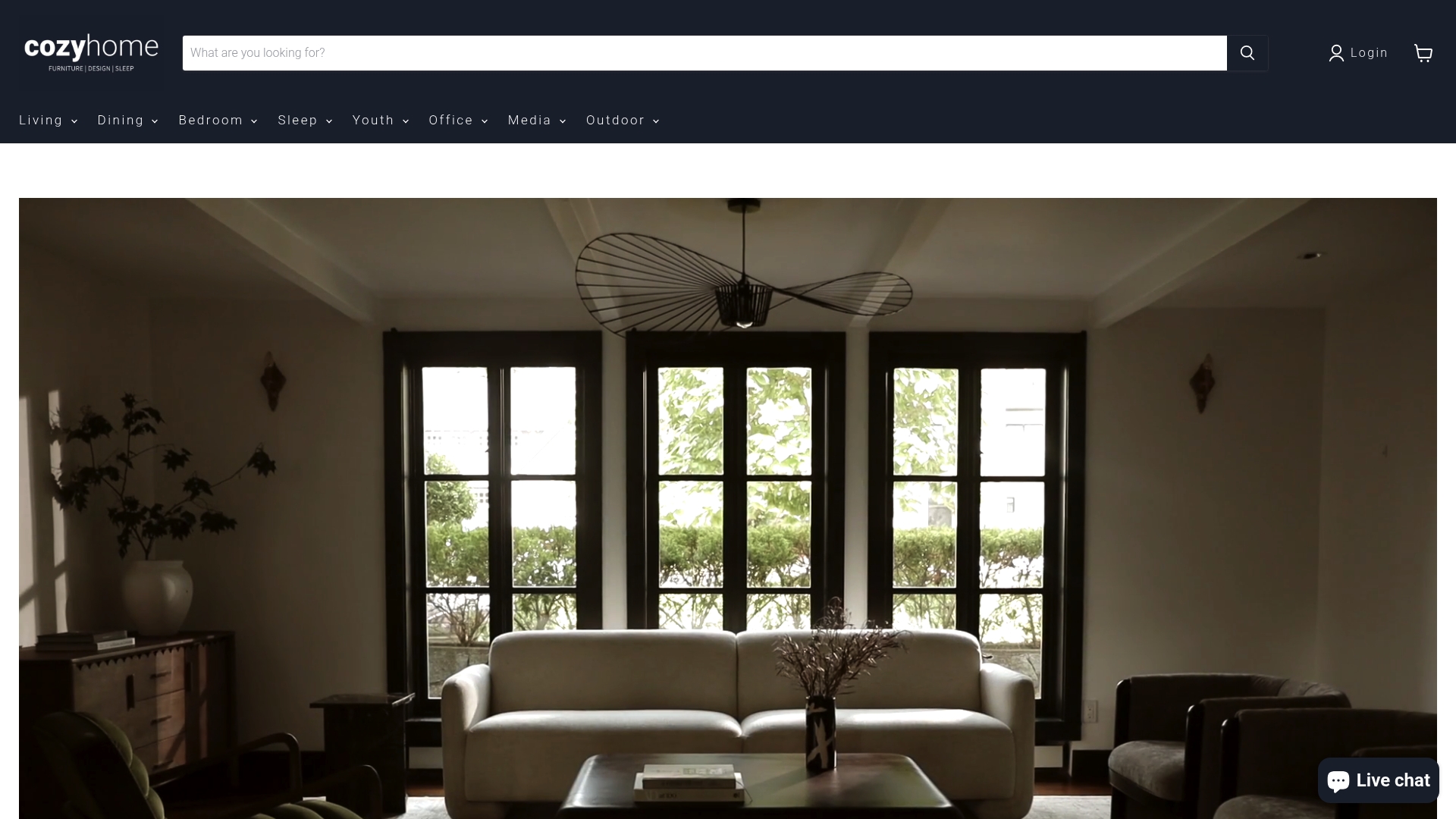
We offer a wide selection of fabric and leather options and custom sofas built to order, helping you find a bouclé or a sturdier alternative that suits your space and routine before delivery. Browse our made-to-order sofas and sectionals or visit our showroom to explore fabric options in person. If you’re ready to see finished pieces, our Koba sofa in black and June sofa in oatmeal are good starting points for comparing texture and feel.
FAQ
What are the downsides of bouclé fabric?
Bouclé’s looped texture traps dust and pet hair more easily than flat weaves, and the loops are prone to snagging on jewelry, buckles, and pet claws. It also tends to need more frequent low-suction vacuuming than smoother upholstery fabrics to stay looking fresh.
Is bouclé out of style in 2026?
Bouclé remains a popular upholstery choice for its texture and cozy appearance, and nothing in current fabric-care or design guidance suggests that’s changing. Choosing a tighter, small-loop weave in a durable fiber blend keeps it practical for long-term everyday use regardless of trend cycles.
What is the best upholstery cleaner for bouclé fabric?
The right cleaner depends entirely on the fabric code on the care tag: a mild, pH-neutral detergent diluted in cool water works for W or WS coded bouclé. S coded bouclé generally calls for a professional with solvent-cleaning experience and IICRC training rather than a store-bought spray.
Is bouclé fabric good for a sofa?
Bouclé works well for a sofa when the loop size and fiber content match how the household actually uses it. Fabric rated for everyday seating typically falls in the 15,000 to 25,000 double-rub range, with family rooms better served by 25,000 or more, so checking that rating before buying matters more than the fabric name alone.
Sources
- Boucle upholstery fabric: the cozy textured choice
- Understanding IICRC standards: why certification matters
- Conserve O Gram: Upholstered Furniture — Agents of Deterioration
- What Is Boucle Fabric? Durability, Pets & Care | JOTEX Fabrics
- Boucle fabric care guide: Maintaining luxury textiles - Fursone