

Fabric First: Upholstery Stain Protection, Reapply Every 30–45 Days
Choosing a stain-resistant fabric matters more than any spray you add later, but a proven aftermarket protector still helps once the sofa is home. For most households, Scotchgard Fabric Water Shield is the easiest place to start, with TriNova Non-Aerosol Stain Guard a solid pick if you want to skip aerosols. Look for PFAS-free options when that matters to you, and plan to reapply every 30 to 45 days.
TL;DR:
- Fabric type has a greater impact on stain resistance than the effectiveness of topical sprays alone, emphasizing the importance of choosing durable materials.
- Topical protectors slow absorption, but abrasion and wear quickly reduce their effectiveness, requiring regular reapplication every 30 to 45 days.
- Chemical finishes like PFAS offer only modest benefits in ideal conditions, with fabric inherent properties playing a more significant role in stain resistance.
- Applying sprays requires careful preparation, including vacuuming, spot cleaning, patch testing, and ensuring proper drying and ventilation.
- For long-term stain defense, considering fabrics with factory-built moisture barriers or factory treatments may outperform after-market sprays.
Table of Contents
- Which fabric protector spray should you buy?
- How do you apply a fabric protector safely?
- Should you rely on sprays or choose the right fabric instead?
- What are the real limits and safety tradeoffs of spray protectors?
- What does the research actually say about these products?
- What our showroom tells buyers about stain protection
- A custom alternative to spray-and-hope protection
- Sources
- FAQ
Which fabric protector spray should you buy?
Every product here does the same basic job: it slows how fast a spill soaks into fabric, giving you time to blot it up before it sets. The differences show up in format, coverage, and how each brand talks about safety.
Scotchgard Fabric Water Shield is the one most homeowners already know. It is an aerosol, widely stocked, and backed by decades of manufacturer usage guidance on distance, coat count, and dry time. It is a sensible first choice for a family room sofa that sees everyday spills.
Guardsman Fabric Defense is sold through furniture-care and retail channels rather than general home stores, which positions it closer to a furniture-specific product than a general household spray. It suits buyers who want something marketed specifically for upholstery rather than a multi-surface aerosol.
SoftClad Extra-Strength Fabric Protector markets itself on stronger immediate repellency, aimed at buyers expecting tougher spills like sauces or pet accidents. As with any stronger aerosol formula, follow the label closely since a heavier initial repellent load also means more product to ventilate during application.
Scotchgard Rug & Carpet Protector is formulated for rugs and carpets first. It can cross over to some upholstered pieces, but not every fabric is suitable, so check the label before using it on a sofa or chair.
Scotchgard Sun & Water Shield adds UV resistance to the water-repellent base, which makes it a better match for sunroom furniture or fabric near south-facing windows than for a typical living room sectional.
Chemical Guys Fabric Guard Interior Protector comes out of the auto-detailing world, where fabric protection on car interiors has long been routine. Its indoor-use variants carry that detailer-grade reputation over to home fabrics, which appeals to anyone already using Chemical Guys products on a vehicle.
TriNova Non-Aerosol Stain Guard is a pump spray, not an aerosol. It suits households that want less overspray, lower odor during application, or simply prefer not to use aerosol cans indoors.
A few quick scenarios simplify the choice:
- For kids and pets, an extra-strength aerosol like SoftClad handles heavier spills, but plan on shorter intervals between treatments.
- For a tight budget, Scotchgard Fabric Water Shield is the most widely available and familiar option to start with.
- For anyone avoiding aerosols indoors, TriNova Non-Aerosol Stain Guard covers the same basic need with a pump format.
Whichever you pick, fabric construction affects performance more than the spray itself, so treat the product choice as a supplement, not a fix.
How do you apply a fabric protector safely?
Getting the application right matters as much as which product you buy. Manufacturer instructions for indoor sprays, including the widely referenced 303 Indoor Stain Guard product guidance, lay out a consistent process that applies broadly across aerosol and pump formats.
- Read the fabric care label first and vacuum the surface to remove loose dust and debris.
- Spot-clean any existing marks and let the fabric dry fully before treating it.
- Test the product on a hidden patch, like the underside of a cushion, and check for color change or texture shift after it dries.
- Hold the can or pump at the distance the label specifies, typically around 6 inches, and spray in overlapping passes.
- Apply two light, even coats rather than one heavy, saturating pass; oversaturation can leave stiff patches or uneven sheen.
- Let the piece dry fully, generally 12 to 24 hours for many indoor products, before sitting on it or letting pets near it.
- Test the result by dripping a small amount of water on a corner; a tight bead means the coat cured properly, while water that soaks in means it needs another light pass.
- Ventilate the room during and after application by opening windows, and wear a mask if the label recommends one, especially with aerosol formulas.
- Check the label for temperature range and flammability warnings before spraying, since most aerosol protectors are combustible and some require a minimum indoor temperature to cure properly.
For food and drink accidents that happen before or after treatment, fabric-specific stain removal steps help you avoid rubbing a stain deeper into the weave. Coverage typically runs 40 to 75 square feet per 16-ounce can, so a full sofa may need more than one application session.
Pro Tip: Do the water-bead test on a small hidden area every few weeks; once beading slows down, that is your cue to reapply rather than guessing on a calendar.

Should you rely on sprays or choose the right fabric instead?
Fabric choice sets the ceiling on how well any spray performs, so start there before shopping for a protector. A few criteria do most of the work:
- Fiber content matters most: polyester, acrylic, and solution-dyed fabrics resist staining and fading better than natural fibers with no added treatment.
- Weave and double-rub rating indicate durability under abrasion; a tighter weave and a higher double-rub number both hold up better to daily use and to the same abrasion that wears down sprayed-on repellency, a point detailed in how double-rub ratings affect fabric survival.
- Bleach-cleanable fabrics give you a stronger fallback for tough stains than a fabric that only tolerates gentle solvents.
- A spray does not change any of this. It cannot upgrade a fabric’s cleaning code or make an incompatible cleaner safe to use on it.
Cleaning codes tell you what you can safely use on a fabric regardless of any topical treatment. “W” means water-based cleaners are safe, “S” means solvent-based only, “W-S” allows either, and “X” means vacuum only, no liquid cleaners at all. Applying a protector spray does not upgrade an X-coded fabric to W or make a solvent-only fabric safe for water-based stain removal, a point industry guidance on cleaning codes makes clear. Understanding your upholstery care label before you buy any cleaner or protector avoids permanent damage.
Some fabrics come with factory-applied finishes or moisture barriers built in, which tend to hold up longer than anything sprayed on afterward since they are part of the fabric’s construction rather than a surface coating. If spills are a daily reality in your home, ask about these before defaulting to an aftermarket spray. When shopping, ask the retailer or fabric supplier three things: whether the fabric has PFAS-free documentation, what its abrasion or double-rub rating is, and which cleaning code it carries.
What are the real limits and safety tradeoffs of spray protectors?
Topical sprays help, but they have real limits worth knowing before you rely on them. Industry guidance on stain-repellent finishes is direct about this: these finishes slow absorption, they do not prevent staining outright, and abrasion from everyday use wears the repellency down over time. Oil-based stains are the toughest edge case, since a protector’s benefit there depends heavily on how quickly you blot it up.
Stain repellents are not bulletproof and do not change what cleaning products are safe to use on a fabric.
PFAS are the main safety question buyers raise. These are persistent chemicals long used in some fabric finishes, and research on PFAS in consumer textiles has found variable levels across brands, which is the enough reason for cautious buyers to ask questions before treating a fabric.
A peer-reviewed comparison found that fabric type had a larger effect on stain resistance than the PFAS finish applied to it. That single finding is the strongest argument for treating sprays as a supplement, not a substitute, for good fabric selection.
Practical mitigation is simple: ask for PFAS-free or C0 documentation if chemical exposure concerns you, ventilate well during application, always spot-test first, follow the manufacturer’s instructions exactly, and reapply only when the water-bead test tells you it is needed rather than on a fixed schedule.

What does the research actually say about these products?
The peer-reviewed study behind much of this guidance tested coffee and an oil-based salad dressing across several finishes, dwell times, and abrasion levels. Its core finding: PFAS finishes gave a modest benefit in ideal, unworn conditions, but fabric type mattered more, and abrasion quickly reduced whatever repellency the finish added.
| Factor tested | Effect on stain performance |
|---|---|
| Fabric type | Larger effect on stain resistance than finish |
| PFAS finish, unworn | Modest improvement in ideal conditions |
| Abrasion/wear | Repellency drops quickly with use |
| Oil-based stains | Hardest case regardless of finish |
The IICRC S300 standard reinforces this from the professional cleaning side: it calls for testing fabric compatibility before applying any cleaner or finish, and it distinguishes clearly between a spot, a spill, and a set-in stain during interim cleaning. Manufacturer lab tests and real-world wear diverge for a simple reason: labs measure fresh, unworn fabric, while your sofa deals with sun, abrasion, and repeated cleaning.
What our showroom tells buyers about stain protection
Swatches tell you more than a spray label ever will. In our showroom, we point buyers toward abrasion numbers and ask them to picture the fabric after a few years of actual use, not just its feel on day one. Requesting written cleaning-code compatibility before you buy is worth the extra five minutes, and for spill-prone households, a moisture-barrier fabric option is often a better long-term bet than a yearly spray routine.
With over 700 fabric and leather options in the showroom, buyers can compare pet-friendly, stain-resistant fabrics side by side rather than guessing from a swatch card online. Bring a typical stain sample if you can, ask for the cleaning instructions in writing, and ask directly whether a PFAS-free finish is available on the fabric you like.
— Dean P.
A custom alternative to spray-and-hope protection
If you would rather start with a fabric built to resist stains than add a spray after the fact, made-to-order sofas and sectionals let you choose from performance fabrics with in-showroom guidance on every option.
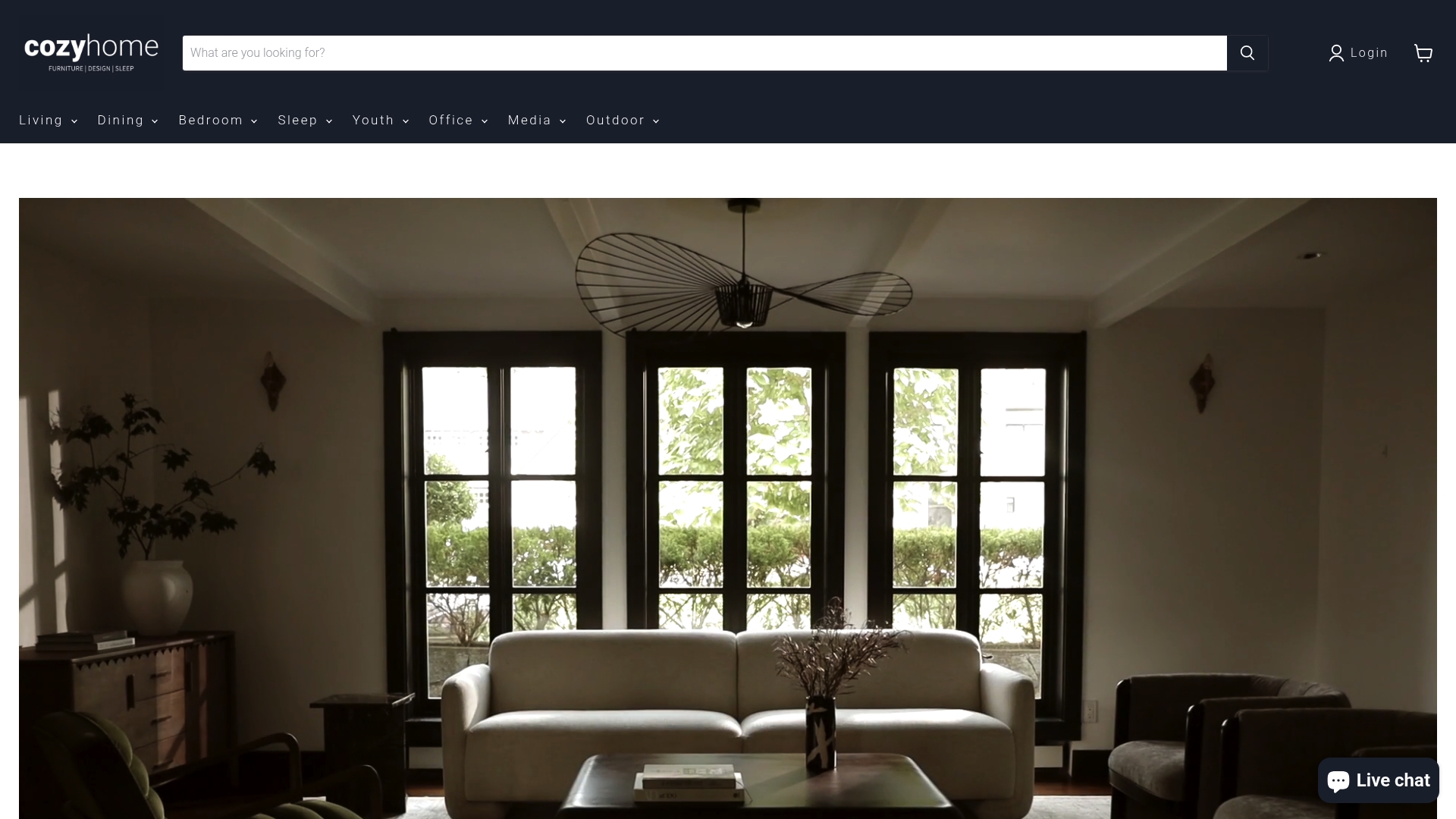
We walk you through fiber content, cleaning codes, and abrasion ratings on real swatches before you commit, which takes the guesswork out of the decision. Explore made-to-order custom furniture and browse sofas and sectionals to see current fabric choices, or stop by the Plano showroom to feel the options firsthand.
Sources
- Evaluating the Performance of Per- and Polyfluoroalkyl Substance Finishes on Upholstery Fabrics
- ACT guidance on stain repellent finishes (Contract Textiles)
- IICRC S300 Standard for Professional Upholstery Cleaning
- 303 Stain Guard Repellent for Indoor Fabrics | Gold Eagle Co
- PFAS and Human Health: Exposures and Effects From Consumer Textiles (CIRI / UL Research Institutes)
FAQ
What is the best stain protectant for upholstery?
Scotchgard Fabric Water Shield is the most widely used option for general indoor upholstery, thanks to its aerosol format and long manufacturer track record. For a non-aerosol alternative, TriNova Non-Aerosol Stain Guard covers the same basic need with a pump application.
What is the best way to protect my couch from stains?
Start with a stain-resistant or bleach-cleanable fabric, since fabric type affects stain resistance more than any spray finish. Add an aftermarket protector as a second layer of defense, and blot spills immediately rather than rubbing them in.
What is the best product to protect my couch from stains?
Among the options covered here, Scotchgard Fabric Water Shield suits everyday household use, while SoftClad Extra-Strength Fabric Protector targets tougher spills like sauces or pet accidents. Check the fabric’s cleaning code first, since no spray changes what cleaners are safe to use on it.
What can I put on my couch to make it stain resistant?
An aerosol or pump fabric protector, applied in two light coats and left to cure for 12 to 24 hours, adds a repellent layer that slows how fast spills soak in. It works best paired with a fabric that already resists staining, since abrasion wears topical treatments down over time.
How often should I reapply fabric protector spray?
Most indoor sprays recommend reapplication every 30 to 45 days, depending on how much wear the fabric sees. A simple water-bead test tells you when the coating has worn thin enough to need another pass.