

Stain Resistant Fabrics for Every Room, Plus Cleaning Codes to Know
For everyday sofas and dining chairs, your best bet is solution-dyed acrylic, olefin, Crypton-style protected fabrics, microfiber, or protected leather. Each resists spills at the fiber level instead of relying on a coating that wears off. The trade-off is mostly aesthetic: performance fabrics look and feel slightly less plush than silk or linen. For heavy-traffic pieces, choose performance fabric. Save the delicate stuff for rooms nobody actually lives in.
TL;DR:
- Olefin and solution-dyed acrylic fabrics are inherently resistant to fading, moisture, and oil, making them ideal for high-use areas and outdoor spaces.
- Fabric resistance is built into the fiber during manufacturing, not applied later, which determines how long stain protection lasts under regular cleaning.
- For heavily used furniture like sofas and dining chairs, choose fabrics with at least 30,000 double rubs and a water or W/S cleaning code for optimal durability.
- Protecting leather and engineered fabrics like Crypton offers the best combination of stain resistance and longevity against daily wear.
- Always verify cleaning instructions and whether stain resistance is built-in or surface-applied before purchasing to ensure it meets your household’s needs.
Table of Contents
- What Are Stain Resistant Fabrics, and Which Types Work Best?
- How Manufacturers Actually Make Fabric Stain Resistant
- Reading Fabric Spec Sheets: Durability Numbers That Matter
- Which Fabric Fits Which Room?
- Everyday Cleaning and Stain Removal That Actually Works
- PFAS and Fabric Safety: What to Ask Before You Buy
- How cozyhome Furniture Helps You Choose With Confidence
- Comparing Fabric Costs Without Getting Surprised
- A Simple Rule for Balancing Looks and Durability
- Ready to Choose Your Fabric? Start With a Swatch
- Sources
- FAQ
What Are Stain Resistant Fabrics, and Which Types Work Best?
“Stain resistant fabrics” is the term most shoppers search, but in the furniture industry, these materials are usually called performance fabrics or performance upholstery fabrics. Both phrases point to the same idea: textiles engineered so spills sit on the surface long enough to wipe away instead of soaking in. We use both terms throughout this guide because you’ll see them used interchangeably on tags, spec sheets, and showroom floors.
A handful of fabric families dominate this category, and each one earns its spot differently.
- Solution-dyed acrylic (Sunbrella-style): Pigment gets mixed into the fiber before it’s ever spun into yarn, which is why these fabrics resist fading in sunlit living rooms and hold up outdoors or on covered patios.
- Olefin (Revolution-style): This fiber is inherently repellent to moisture and oil, no coating required. Many olefin lines are bleach-cleanable and PFAS-free, which makes them a favorite for families who want an easy reset button.
- Crypton-style engineered performance fabric: Protection gets sealed into the fiber itself rather than sprayed onto the surface, giving you stain, odor, and liquid resistance that holds up to mild soap cleaning without washing away over time.
- Microfiber: A tight, sueded weave that blots and lifts liquid before it spreads. It’s one of the more budget-friendly options and a longtime favorite in households with dogs and cats.
- Protected leather and faux leather: Nothing wipes clean faster. Dining chairs and high-contact pieces benefit most from this durability.
- Decorative naturals and velvets: Linen, cotton, and traditional velvet still win on softness and richness of color, but they demand gentler care. Some mills now offer performance velvet blends that split the difference.
If you’re furnishing a room that sees real daily use, the first five categories should top your list. Save the naturals for spaces where looks matter more than spills.
How Manufacturers Actually Make Fabric Stain Resistant
Stain resistance comes from one of two places: the fiber itself, or something applied to it afterward. Knowing the difference helps you see through marketing language on a tag or spec sheet.
Solution-dyed fabrics carry pigment mixed directly into the polymer before the fiber is extruded into yarn, so color and stain resistance run all the way through the strand, not just on the surface. Compare that to a surface-dyed fabric, where color and any protective treatment sit on top of the fiber and gradually wear away with use, sun, and cleaning.
Olefin takes a different route. Its stain resistance is inherent to the plastic-based fiber itself, so there’s nothing to reapply or wear off over the years. Fluoropolymer finishes (the “Teflon-style” sprays you’ll see on some traditional fabrics) work by coating the surface, and while they perform well when new, they typically fade with repeated washing and heavy wear.
Crypton and similar engineered systems sit somewhere between the two. Rather than a surface spray, the protection is built into the fiber structure during manufacturing, which is why brands describe it as sealed in for the life of the fabric rather than a treatment you’ll need to renew.
Pro Tip: Skip fabrics that only say “stain resistant” on the tag with no explanation. Ask whether that resistance is built into the fiber or sprayed on top; the answer tells you how long it will actually last.
When comparing products, check for care instructions, explicit “bleach-cleanable” language, and PFAS-free labeling. Those three details tell you more about real-world performance than any glossy swatch photo.

Reading Fabric Spec Sheets: Durability Numbers That Matter
A high rub count looks impressive, but it only tells part of the story. Full performance evaluation covers abrasion, pilling, and colorfastness together.
- Wyzenbeek and Martindale abrasion tests: Both measure how many rubbing cycles a fabric survives before it visibly wears, but they use different equipment and motions, so a Wyzenbeek score and a Martindale score aren’t directly comparable. For a primary family sofa, aim for a high double rub count on the Wyzenbeek scale indicative of heavy residential use.
- Pilling resistance: Rated on a 1 to 5 scale, with 4 to 5 considered excellent. A fabric can have a strong rub count and still look shabby fast if it pills easily.
- Colorfastness and lightfastness: Solution-dyed fibers consistently outperform top-dyed yarns in rooms that get direct sun, since the pigment can’t fade off a surface it was never sitting on top of.
- Cleaning codes: W means water-based cleaners only, S means solvent-only, W/S means either works, and X means vacuum or brush only, no liquid.
Abrasion resistance alone doesn’t capture snagging, pilling, fading, or colorfastness, so a fabric with an outstanding rub count but a mediocre pilling rating can still disappoint you within a year. The strongest real-world performers pair a high abrasion score with a tight weave and solid pilling resistance, then add colorfastness data if the piece will sit anywhere near a window. Our guide to double rubs and fabric durability breaks down how to compare these numbers across different manufacturers without getting confused by mismatched test types.
Which Fabric Fits Which Room?
The right performance fabric depends on how a piece gets used, not just how it looks in a showroom photo. Here’s how to match fabric to furniture.
- Primary family sofa. Choose a true performance fabric or protected leather rated at 30,000+ double rubs with a W or W/S cleaning code. This is the piece taking the most abuse, so it deserves the strongest spec sheet in the house.
- Dining chairs. Vinyl, protected leather, or a tight performance synthetic wipes clean in seconds, which matters when you’re dealing with kids, red sauce, and red wine on a weekly basis.
- Outdoor or sunroom seating. Stick to genuinely outdoor-rated solution-dyed acrylics or marine-grade materials. Indoor performance fabrics aren’t built for UV exposure and humidity swings.
- Formal living rooms or guest spaces. This is where decorative naturals or performance velvet blends can shine, since these rooms see lighter, more occasional use.
- Households with pets. Favor tight flat weaves, low-pile microfiber, or protected leather in colors and textures that camouflage hair. Our pet-friendly upholstery guide walks through specific fabric picks that hold up to claws and shedding.
Pro Tip: Bring a fabric swatch home before committing to yardage. Lighting changes color perception dramatically, and a fabric that looked neutral gray under showroom lights can read distinctly blue or green in your living room.
Everyday Cleaning and Stain Removal That Actually Works
Check the cleaning code before you touch a spill with anything. That single letter on the tag tells you whether water, solvent, or a vacuum brush is the right tool, and using the wrong one can set a stain permanently or damage the fabric.
For most fresh spills, blot immediately rather than rub. Rubbing pushes liquid deeper into the weave and can spread the stain outward. Lift solid debris with a spoon or dull knife before it has a chance to grind into the fibers. On W-coded fabrics, a mild soap diluted in water handles the vast majority of everyday messes, from coffee to red wine.
Bleach-cleanable fabrics, a feature many olefin and Crypton-style lines advertise, tolerate diluted bleach solutions for tougher stains or disinfecting needs, but always follow the manufacturer’s specific concentration guidance rather than guessing. Cleaning codes are standardized across the upholstery industry precisely so you don’t have to guess.
- Vacuum weekly to prevent grit from working into the weave and accelerating wear.
- Rotate and flip cushions regularly so wear distributes evenly.
- Schedule professional cleaning annually for heavily used pieces, even performance fabrics.
- Never use water on a solvent-only (S-coded) fabric. It can cause rings, shrinkage, or discoloration.
PFAS and Fabric Safety: What to Ask Before You Buy
PFAS chemicals have long been used in water and oil repellent finishes, but research using thermal desorption and mass spectrometry has found that PFAS can be emitted from treated textiles under certain conditions, varying by fabric layer and age. That’s driving real demand for PFAS-free alternatives.
The good news: inherent fiber resistance sidesteps the issue entirely. Olefin doesn’t need a PFAS finish to repel liquid, and solution-dyed acrylics rely on pigment chemistry, not fluoropolymer sprays. When comparing products, ask for material data sheets and look for brands that state “PFAS-free” outright rather than staying vague about their finishing process.
How cozyhome Furniture Helps You Choose With Confidence
Choosing a fabric from a photo online is a gamble. At our Plano, Texas showroom, you can order swatches, hold them under your own home’s lighting, and check cleaning codes in person before committing. With over 700 fabric and leather options and American-made craftsmanship behind every piece, our in-store team walks you through selection, sizing, and configuration so the fabric you choose actually fits how your household lives.
Comparing Fabric Costs Without Getting Surprised
Price tends to track how the stain resistance gets built into the fabric. Solution-dyed acrylics and outdoor-rated fabrics typically sit mid-range, reflecting the extra processing needed to embed pigment before extrusion. Olefin-based performance fabrics like Revolution often land in a similar bracket, with inherent resistance offsetting the need for chemical treatments. Engineered systems such as Crypton tend to carry a modest premium over basic upholstery fabric, largely because the fiber-level protection is designed to last the life of the piece rather than needing periodic reapplication.
Microfiber remains one of the most budget-friendly performance options, which is part of why it’s such a common pick for family rooms and homes with pets. Protected leather sits at the higher end of the spectrum, but its wipe-clean simplicity and longevity often offset the sticker price over the years, especially on dining chairs that face daily contact.
Decorative naturals like linen and traditional velvet can cost less upfront in some grades, but that number doesn’t include the professional cleaning and earlier replacement that heavier use usually demands. For many households, the modest premium of a true performance fabric pays for itself in fewer deep cleanings and a longer-looking sofa. Our breakdown on choosing furniture that lasts covers how to weigh that upfront cost against years of actual use.

A Simple Rule for Balancing Looks and Durability
Put performance fabric where life actually happens: the main sofa, the dining chairs, anything pets touch. Save delicate fabrics for rooms that see occasional use. Always test a swatch and check the cleaning code before you buy, and bring your measurements and photos into a showroom if you want a second opinion.
— Dean P.
Ready to Choose Your Fabric? Start With a Swatch
If you’ve made it this far, you already know performance fabric is the safer bet for a home in daily use. The harder part is seeing and feeling those options before you commit. That’s exactly what a showroom visit solves.
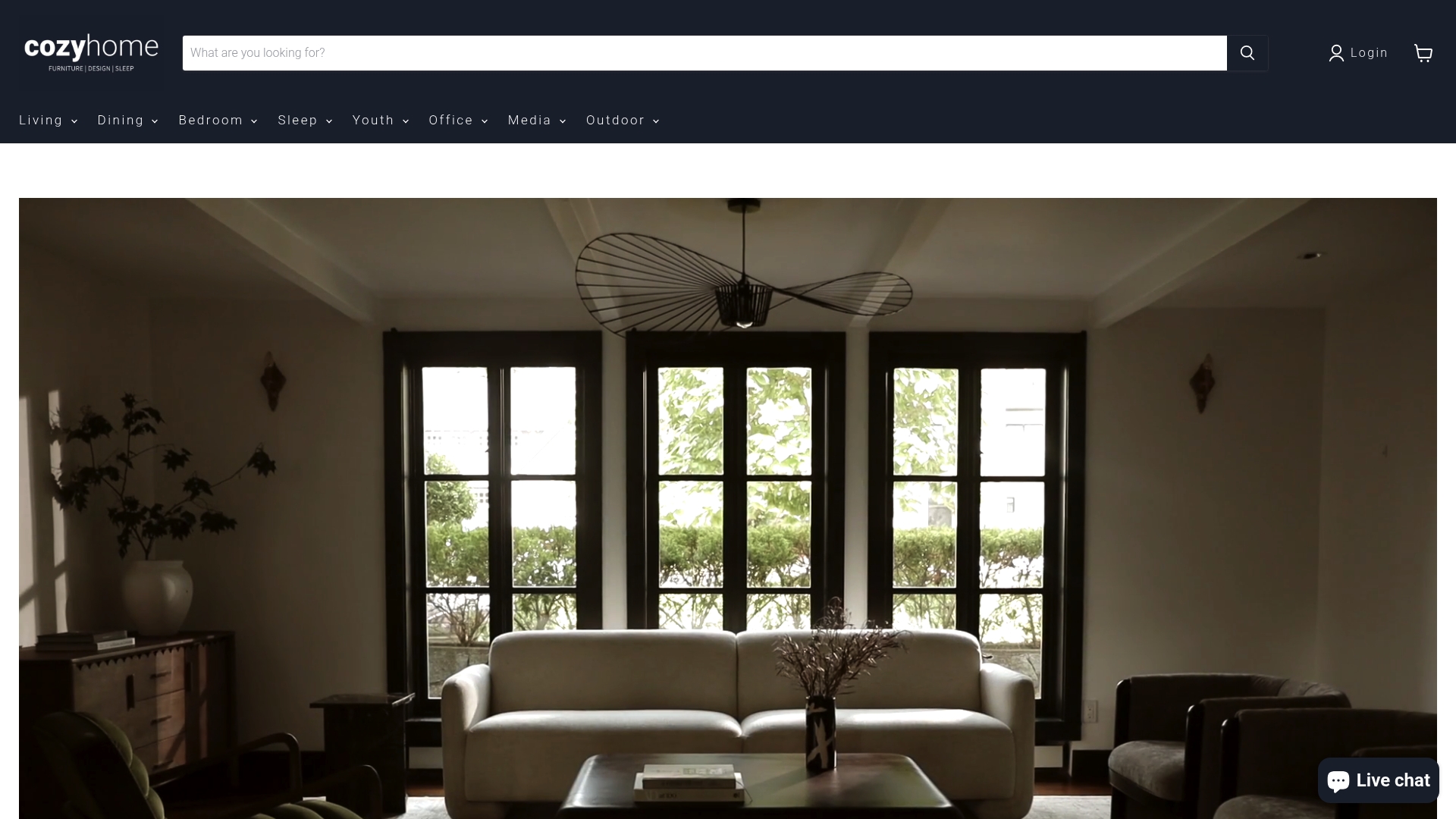
cozyhome furniture offers made-to-order custom furniture with more than 700 fabric and leather options, so you’re never stuck choosing between three online swatches that all look identical on your screen. Every sofa and sectional is built in America and sized to your actual room, not pulled from a warehouse floor. Bring in your measurements and a photo of your space, and our in-store team will help you narrow down fabric families, check cleaning codes against your lifestyle, and configure a piece that fits both your room and how your household really lives. Visit the Plano showroom or browse our full collection online to request swatches and book a selection appointment.
Sources
- Understanding key fabric performance indicators
- Upholstery fabric performance ratings explained: Wyzenbeek, Martindale and fire codes
- Crypton — Trusted performance fabric for all your indoor upholstery needs
- PFAS emissions from functional textiles (EPA HERO)
FAQ
What Fabric Is Most Stain Resistant?
Solution-dyed acrylic, olefin, and Crypton-style engineered fabrics generally top the list because their resistance is built into the fiber rather than applied as a surface coating. Among these, olefin lines are frequently bleach-cleanable and PFAS-free, making them especially forgiving for messy households.
What Is the Best Stain-Resistant Fabric for a Sofa?
For a primary family sofa, look for a performance fabric or protected leather rated at 30,000 or more double rubs with a W or W/S cleaning code. cozyhome furniture’s custom sofas and sectionals come in over 700 fabric and leather options, so you can match a high-performance fabric to your exact style.
What Is the Most Indestructible Fabric?
No fabric is truly indestructible, but protected leather and engineered performance fabrics like Crypton come closest for daily wear and tear. Both combine high abrasion resistance with sealed-in stain protection, which holds up better over years of use than fabrics relying on surface treatments alone.
How Can I Make Fabric Stain-Resistant?
You generally can’t retrofit true fiber-level resistance onto an existing fabric. Aftermarket sprays offer temporary surface protection, but they wear off with washing and use, unlike solution-dyed or inherently resistant fibers that carry the protection built in from the start.
How Much Does Custom Upholstery With Performance Fabric Cost?
Pricing depends on the fabric family, piece size, and configuration you choose, so current pricing is available directly through cozyhome furniture’s showroom and website rather than a fixed rate. Booking a swatch appointment is the fastest way to get an accurate quote for your specific project.