

8 Safe Steps to Clean Performance Fabric Using Its Cleaning Code
Blot spills immediately, working from the outside of the stain toward the center, and never rub. Before you reach for any cleaner, check the fabric’s care tag for its cleaning code (W, S, W/S, or X) so you know which products are safe. Once the stain lifts, rinse away soap residue and let the cushion air-dry away from direct heat, which can set what’s left behind and warp protective finishes.
TL;DR:
- Performance fabrics with a topical finish offer only a delay in absorption, so understanding the cleaning code is crucial for effective stain removal.
- Weekly vacuuming, rotating cushions, and avoiding direct sun exposure help maintain fabric and slow down stain buildup over time.
- Water-based cleaning responds well to blotting and misting with mild soap on fabrics labeled W or W/S, but repeated attempts may damage the fibers.
- For tough stains like wine or ink, avoid heat and seek professional cleaning if home methods fail after three tries.
- Choosing fabrics with proper protective finishes and reading the care label before purchase significantly reduces long-term cleaning challenges.
Table of Contents
- What Cleaning Performance Fabric Actually Means
- Simple Habits That Cut Down On Future Stains
- How Do You Spot-Clean Performance Fabric At Home?
- What About Bleach, Wine, Ink, And Oil-Based Stains?
- When Should You Call A Professional Cleaner?
- Picking Fabric That Fights Fewer Battles
- A Furniture Maker’s Note On Avoiding Cleaning Headaches
- Want Easy-Care Upholstery Without The Cleaning Guesswork?
- Where To Check Manufacturer Care Instructions
- Sources
- FAQ
What Cleaning Performance Fabric Actually Means
Performance fabric isn’t one material. It’s a category of textiles, often polyester, olefin, or acrylic blends, engineered or treated to resist moisture, oil, and everyday wear better than traditional upholstery. Some get their resistance from the fiber itself; others rely on a topical finish sprayed on during manufacturing. That distinction matters more than most shoppers realize, because a finish is a delay tactic, not a force field. It slows how fast a spill soaks in, giving you a window to clean it up before it becomes a permanent stain.
That’s why the manufacturer’s cleaning code matters more than the marketing copy on the tag. These codes tell you exactly what the fabric can tolerate:
- W means water-based cleaners only, no solvents.
- S means solvent-based cleaners, keep water away.
- W/S (sometimes written S/W) means either type is safe.
- X means vacuum or brush only. No liquid cleaners at all.
Always pretest any cleaner on a hidden patch, like the back of a cushion or underside of an arm panel, and let it dry fully before judging the result. Note the code somewhere you’ll remember it, because guessing wrong on an X-coded fabric can leave a water ring that never comes out.
Simple Habits That Cut Down On Future Stains
Most upholstery damage isn’t one dramatic spill. It’s months of skin oils, dust, and pet hair grinding into the weave until the fabric looks dingy no matter how much you scrub. Weekly vacuuming with a soft upholstery attachment pulls that loose soil out before it embeds, which is exactly what the University of Illinois Extension recommends as baseline upholstery care.
A few habits worth building into your week:
- Vacuum cushions and crevices weekly, not just when you notice dirt.
- Rotate and flip loose cushions so wear and sun exposure distribute evenly.
- Brush gently with a soft-bristle attachment. Stiff brushes can abrade protective coatings.
- Keep sofas out of direct afternoon sun when possible.
Pro Tip: Protective finishes wear down with sunlight and friction over time, so a fabric that shrugged off red wine two years ago might not perform the same way today. Reapplying a manufacturer-approved fabric protector every year or two helps close that gap.
How Do You Spot-Clean Performance Fabric At Home?
Most everyday spills, coffee, juice, mud, light food stains, respond to a simple water-based method as long as your fabric is coded W or W/S. Here’s the sequence that keeps you from making things worse.
What you’ll need:
- Two clean microfiber cloths
- A soft-bristle brush
- A spray bottle
- Mild, enzyme-free dish soap
- Lukewarm water
The steps:
- Blot up any excess liquid immediately with a dry microfiber cloth. Don’t press hard, just soak up what’s sitting on the surface.
- Mix about one teaspoon of mild dish soap per cup of lukewarm water in your spray bottle.
- Test the solution on a hidden area first and let it dry completely to confirm no discoloration or ring forms.
- Lightly mist the stained area. It should look damp, never soaked.
- Blot from the outside edge of the stain toward the center with a clean cloth, rubbing spreads the stain and can abrade the fibers, so blot only.
- Repeat the mist-and-blot cycle until the stain releases. Switch to a clean section of cloth as it picks up soil.
- Rinse the area with a cloth dampened in plain water to lift leftover soap.
- Blot dry with a fresh towel, then let the cushion air-dry fully before anyone sits on it again.
Pro Tip: Skip the hair dryer or space heater to speed drying. Heat can set residual soap into the fibers and warp the fabric’s protective coating, turning a five-minute cleanup into a permanent shadow.
If the spot survives three honest attempts with this method, stop. Repeated scrubbing is more likely to damage the weave than lift the stain.
What About Bleach, Wine, Ink, And Oil-Based Stains?
Tougher stains call for different chemistry depending on your fabric’s code, and this is where reading the tag correctly protects you from an expensive mistake.
For bleach-cleanable, solution-dyed acrylics (common in performance outdoor fabrics), a diluted bleach solution can tackle deep staining or mildew. A one-to-four ratio of bleach to water is the standard dilution manufacturers cite, applied with a cloth, never poured directly, then rinsed thoroughly and air-dried. This only applies to fabrics explicitly labeled bleach-cleanable. Using bleach on anything else can strip color or degrade the fiber instantly.

For S-coded fabrics, which reject water, solvent-based cleaners are your only safe option. Use them sparingly, in a well-ventilated room, and pretest first since solvents vary widely in strength.
Oil-based stains (salad dressing, lotion, greasy food) respond best to a small amount of cornstarch or baking soda worked in to absorb the oil before you vacuum it off and follow with your water-based method if the code allows. Ink and wine are trickier: blot immediately, avoid heat, and if a first gentle attempt doesn’t lift it, stop and call a professional rather than escalating to stronger chemicals.
A few universal rules apply regardless of stain type:
- Never scrub. Blot, mist, blot again.
- Never over-wet the fabric or the cushion filling underneath.
- Never use heat to force drying.
- Always rinse cleaning residue out, soap left behind attracts more soil later.
When Should You Call A Professional Cleaner?
Some stains are beyond a spray bottle and a microfiber cloth, and knowing when to stop DIY-ing saves you from turning a fixable problem into a fabric replacement.
Call a professional when you’re dealing with ingrained oily soil that won’t lift after two or three attempts, an overall grayish dinginess across the whole piece rather than one spot, or a stain that’s already survived your best home effort. The IICRC S300 standard outlines the professional approach: dry soil removal first, then soil suspension, extraction, and controlled drying, in that order, to avoid over-wetting or damaging the fiber.
Professionals typically choose from a few methods:
- Very-low-moisture (VLM) cleaning, which minimizes risk of browning or pile distortion on delicate blends.
- Controlled hot-water extraction (HWE), more aggressive but effective on deep-set soil when moisture is managed carefully.
- Dry foam, another low-moisture option often used on sensitive upholstery.
Before the appointment, tell your cleaner the fabric’s cleaning code, any prior treatments, and exactly what you’ve already tried. That information limits guesswork and keeps them from applying a method your fabric can’t handle.
Picking Fabric That Fights Fewer Battles
The easiest stain to clean is the one that never happens because you chose the right material up front. Mill-applied protective finishes, built into the fiber during manufacturing, tend to hold up longer than after-market sprays applied at home or by a retailer, since they’re bonded more evenly and tested against the base fabric.
If you’re furnishing a high-traffic room, look for tightly woven or solution-dyed textiles, and ask specifically whether the fabric is bleach-safe. That single question tells you a lot about how forgiving it will be for years, not just the first season.
- Ask for the cleaning code before you buy, not after the spill.
- Favor solution-dyed fibers for kid- and pet-heavy households.
- Remember finishes fade with sun and friction, they’re a head start, not a guarantee.
A Furniture Maker’s Note On Avoiding Cleaning Headaches
We spend a lot of showroom time on something most shoppers skip: reading the cleaning code before falling in love with a swatch. It’s not the most exciting part of picking a sofa, but it’s the difference between a piece that ages gracefully and one that stresses you out every time someone sets down a glass without a coaster.
Our staff walks customers through fabric codes and lets them test swatches by hand, because the right choice depends on your household, not just the color story. If you want fewer cleaning headaches long-term, the fabric decision matters more than the cleaning routine that comes after it.
— Dean P.
Want Easy-Care Upholstery Without The Cleaning Guesswork?
Some homeowners get good at spot-cleaning. Others decide the smarter move is starting with a fabric built to make that guesswork unnecessary. There is an option for made-to-order sofas and sectionals with access to numerous fabric and leather choices, so you’re not stuck matching a couch you inherited to a cleaning code you’ve never heard of.
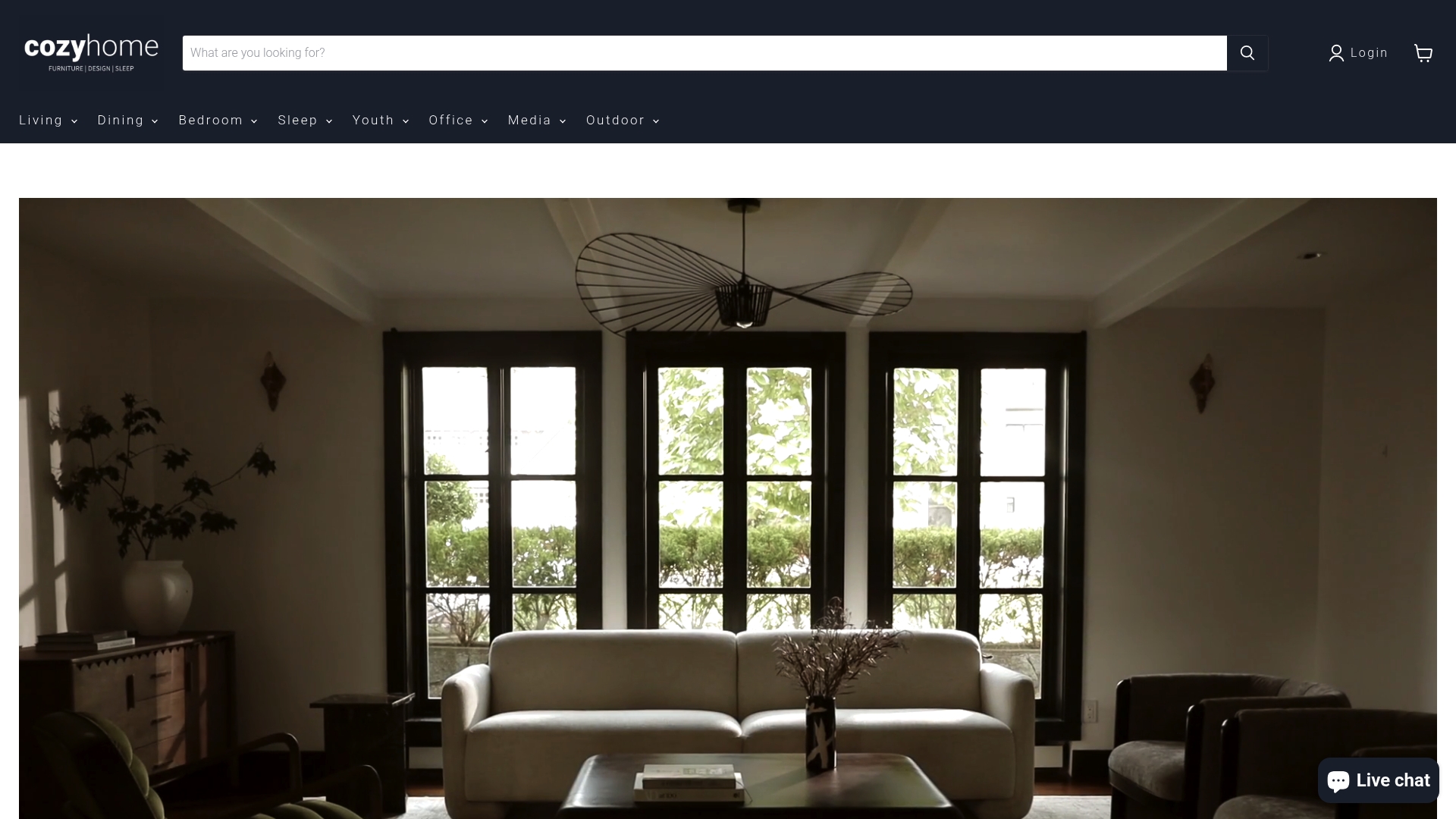
Our Plano showroom staff will walk you through which materials handle daily life best, kids, pets, wine nights, and explain the cleaning code on every swatch before you commit to anything. That’s the kind of hands-on guidance a warehouse floor can’t offer. If you’re ready to build a piece around how your home actually lives, start with the made-to-order custom furniture page, or stop by to compare swatches in person and ask about mill-applied finishes before you choose.
Where To Check Manufacturer Care Instructions
For fabric-specific guidance, go straight to the source. Sunbrella publishes stain-specific charts, Crypton and Ultrafabrics both list tested cleaners and dilution rates for their materials. For a broader look at textile care principles, this guide on caring for textiles and art at home covers gentler preservation habits worth borrowing for upholstery too.
Sources
- How to clean performance fabric | Common Thread Interiors
- How to Clean Performance Fabric | Swavelle
- IICRC S300 Standard for Professional Upholstery Cleaning (consolidated draft)
- General upholstery care and stain solutions | University of Illinois Extension
- How to clean upholstery | Sunbrella
FAQ
Is Performance Fabric The Same As Microfiber?
Not exactly. Microfiber is one specific type of fine synthetic weave, while performance fabric is a broader category that includes microfiber along with polyester, olefin, and acrylic blends built for stain and wear resistance. Some performance fabrics use microfiber construction, but plenty don’t, so the terms aren’t interchangeable.
How Do I Clean Bassett Or Arhaus Performance Fabric?
Both brands recommend checking the cleaning code on the fabric tag first, then using a mild soap and water solution for W-coded materials, applied by blotting rather than rubbing. If the tag specifies solvent-only (S) cleaning or vacuum-only (X), stick to that method regardless of what worked on a different piece of furniture.
How Do I Wash Restoration Hardware Or Other Slipcovered Sofa Fabric?
For slipcovers, always check whether the cover is machine washable or spot-clean only before doing anything else, since many performance slipcovers are designed for spot treatment rather than a full wash cycle. When in doubt, pretest a cleaner on a hidden seam and follow the same blot-from-outside-in method used on fixed upholstery.
What’s The Difference Between W, S, W/S, And X Cleaning Codes?
W means water-based cleaners only, S means solvent-based cleaners only, W/S means either works safely, and X means no liquid cleaners at all, vacuum or brush only. These codes come directly from the manufacturer and should always take priority over general cleaning advice.
Does Cozyhome Furniture Offer Easy-Care Performance Fabric Options?
Yes. The showroom includes many fabric and leather options, some with performance finishes, and staff walk customers through cleaning codes before purchase. Details on available fabrics are on the made-to-order custom furniture page, or visit the Plano showroom to compare swatches in person.