

6 Pet-Friendly Upholstery Fabrics—Order 700+ Swatches First
For pet homes, tightly woven performance fabrics like olefin and genuine leather beat almost everything else on the market. They resist stains, shrug off claws better than loose weaves, release pet hair instead of trapping it, and clean up with a damp cloth or diluted bleach depending on the fabric. Before you buy or reupholster anything, order swatches and lean toward a mid-tone or subtly patterned option instead of solid black or white.
TL;DR:
- Performance fabrics like olefin and Sunbrella are highly stain-resistant, bleach-cleanable, and release pet hair more easily, making them ideal for homes with shedding and accidents.
- Genuine leather resists pet hair and cleans quickly but is more vulnerable to scratches from claws, especially on softer finishes.
- Fabrics with loose weaves, fuzzy textures, or low tightness such as bouclé or chenille tend to trap pet hair and claws, leading to faster deterioration.
- Selecting a fabric with a high abrasion rating, tight weave, and built-in fiber protection is crucial for durability in households with active pets.
- Always test swatches in your home environment, consider pattern and color to hide shedding, and maintain regular cleaning routines to prolong furniture life.
Table of Contents
- Choosing Pet-Friendly Upholstery: The Fabrics That Actually Hold Up
- Six Pet-Friendly Fabrics, Ranked by Real-World Performance
- Fabrics That Fail Fast in Pet Households
- What to Check Before You Buy or Reupholster
- How to Keep Pet-Friendly Upholstery Looking New
- Why Custom Fabric Selection Beats Guessing
- The Bottom Line on Pet-Friendly Upholstery
- What Most Advice Gets Backwards About Pet-Friendly Fabric
- Order Pet-Friendly Fabric Swatches Before Your Next Sofa
- Sources
- FAQ
Choosing Pet-Friendly Upholstery: The Fabrics That Actually Hold Up
Every pet household has a different failure point. Some sofas get destroyed by claws, others get buried in hair, and plenty just smell bad after a few accidents. Matching the fabric to your specific problem matters more than chasing one “best” material, and interior design experts consistently frame the decision this way: leather tends to win in hair-heavy homes, while performance synthetics do better against claws and messes.
Here’s how the major fabric families stack up:
- Microfiber: A tight weave that vacuums clean easily and won’t strain a budget, though it can pill under heavy claw traffic over time.
- Leather: Wipes clean in seconds and doesn’t hold onto pet hair the way woven fabrics do, but it can show claw scratches on softer grades.
- Performance/olefin fabrics (the category Revolution Fabrics and similar indoor-outdoor lines specialize in): built for stain resistance and, in many cases, bleach cleaning, with abrasion ratings that hold up to daily pet traffic.
- Canvas and heavy twill: An affordable, heavy-duty option, especially useful on slipcovers or removable cushion covers you can machine wash.
- Crypton and other engineered performance fabrics: Odor and moisture resistance is built into the fiber itself rather than sprayed on, and most lines come with warranty backing and specific care instructions.
- Velvet and short-pile fabrics: Can work in low-shed households if the pile is short and dense, but long-pile velvet traps hair and claws alike.
None of these fabrics are indestructible. The goal is picking the one whose weaknesses matter least for your household.
Six Pet-Friendly Fabrics, Ranked by Real-World Performance
Each of these materials solves a different problem. Read them as a menu, not a ranking, and pick based on whether your pet’s main offense is shedding, scratching, or general mess-making.
1. Performance olefin (indoor-outdoor synthetics). This is the fabric family most retailers point pet owners toward first, and for good reason. Olefin resists stains, cleans up fast, and releases hair better than most natural fibers. A plain suction vacuum or a rubber pet brush lifts hair off the surface without damaging the weave. Best fit: households with a heavy shedder or a puppy still learning where accidents don’t belong.
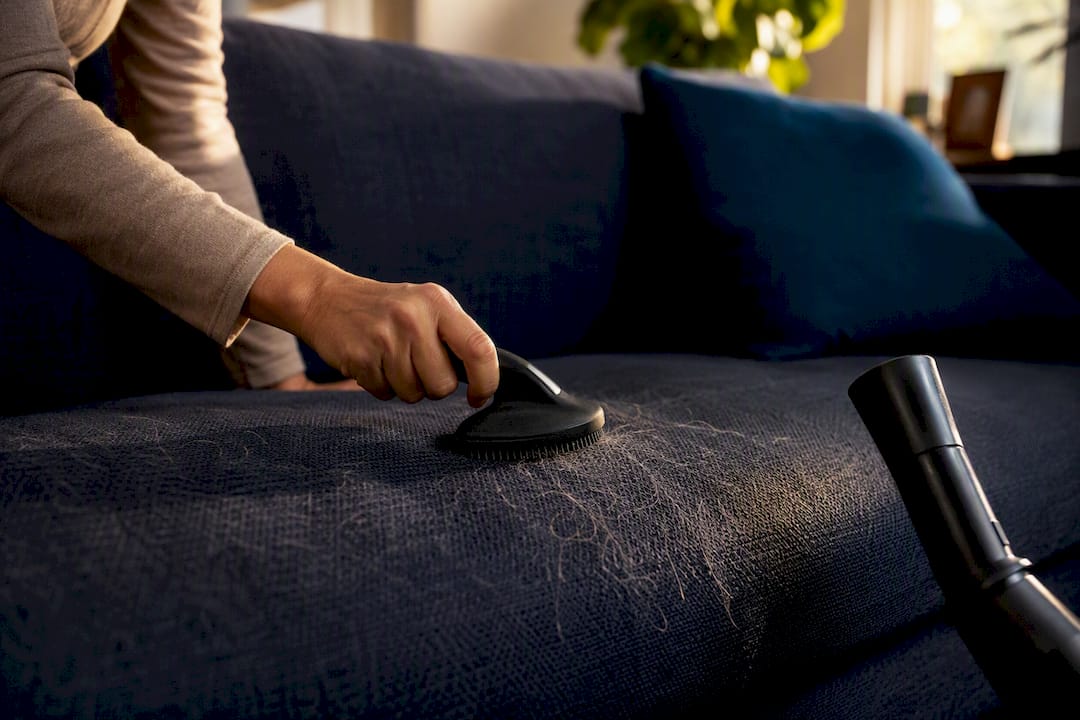
2. Sunbrella and other indoor-outdoor acrylics. Originally built for boat cushions and patio furniture, these fabrics carry dye-through colorfastness and can often handle a bleach solution without fading or breaking down. That bleach tolerance makes them a strong pick for homes dealing with frequent accidents. Best fit: multi-pet households or anyone who wants the most aggressive cleaning option available.
3. Crypton engineered fabric. Crypton builds stain, odor, and moisture resistance directly into the fiber rather than relying on a topical treatment that wears off after a few cleanings. It typically comes with manufacturer warranty terms and specific cleaning guidance, so check the tag before reaching for any cleaner. Best fit: homes where litter box tracking or general “wet dog” odor is the bigger concern than visible stains.
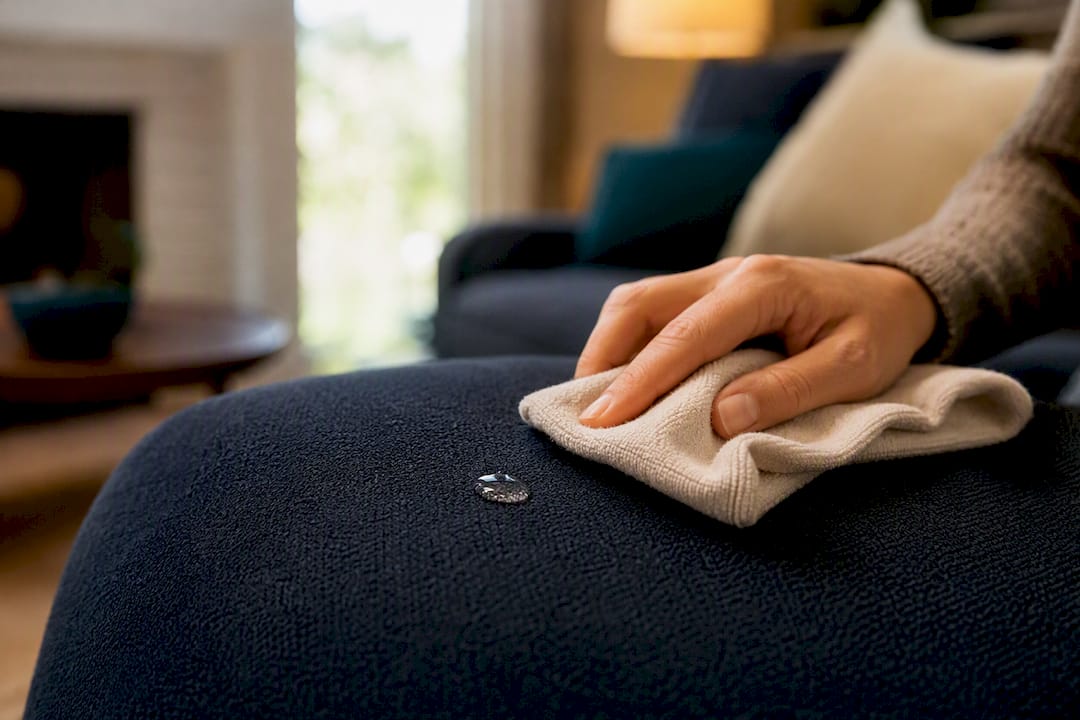
4. Genuine leather. Leather doesn’t hold a single strand of pet hair, and a damp microfiber cloth handles most messes in under a minute. The trade-off is scratches. Softer, aniline-finished leathers show claw marks more readily than pigmented, protected finishes. Best fit: homes with heavy shedders and cats or dogs whose nails stay trimmed and dull. Our guide to choosing fabric versus leather walks through this trade-off in more detail.
5. Canvas and heavy twill. Thick, tightly spun cotton or cotton-blend weaves that resist snagging far better than lighter fabrics. Removable, zippered cushion covers in canvas can go straight into a washing machine, which sidesteps the spot-cleaning question entirely. Best fit: budget-conscious households or anyone who wants a slipcovered piece they can wash on a normal cycle.
6. Short-pile velvet. Dense, low-pile velvet can work surprisingly well because the tight nap resists claw snagging, though it needs a rubber brush rather than a vacuum attachment with a spinning head to lift hair without matting the pile. Best fit: design-forward households with well-groomed cats and no aggressive scratchers.
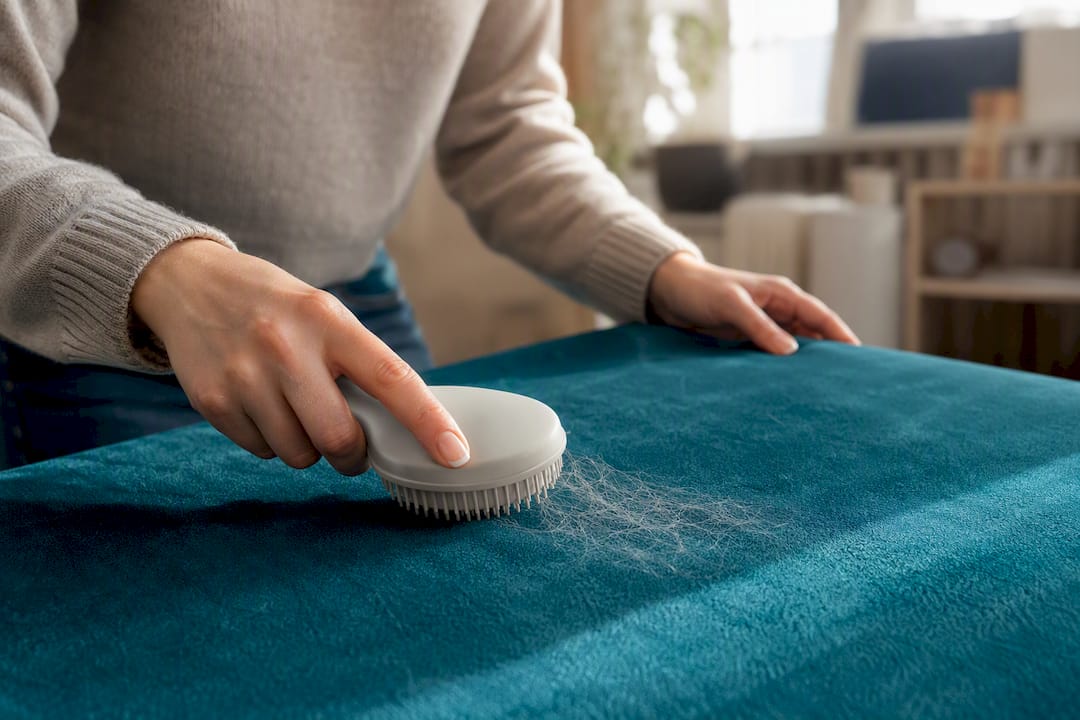
Whichever material you’re leaning toward, order swatches and run your own hair-release test at home before committing to yardage or a full custom order.
Fabrics That Fail Fast in Pet Households
Some fabrics look great on a showroom floor and fall apart within months once a dog or cat gets involved. Retail and upholstery guides consistently flag the same offenders:
- Silk and other delicate natural weaves: Stain easily and show water rings, plus they can’t handle regular spot cleaning.
- Bouclé and other loose-loop weaves: The open loops give cat claws something to catch and pull, which unravels the weave over time.
- Chenille: Its fuzzy texture traps pet hair so deeply that a standard vacuum barely makes a dent.
- Bonded leather and suede: Bonded leather peels and cracks faster than genuine leather, and suede holds stains and odors that resist most cleaning methods.
In a showroom, run your hand across any fabric under consideration and gently tug at the yarn. If it loops, catches, or pulls loose easily, walk away.
What to Check Before You Buy or Reupholster
Bring this checklist with you, whether you’re shopping a floor sample or specifying a custom order.
- Abrasion rating: Look for a minimum of a minimum abrasion rating suitable for standard residential use, and push toward a higher abrasion rating advisable for homes with multiple pets or particularly rough use if you have multiple pets or a particularly rough household. Our breakdown of what double-rub numbers actually mean explains how the testing works.
- Weave tightness: A tight, flat weave beats a loose or looped one every time for claw resistance.
- Built-in protection over sprays: Fiber-level stain resistance holds up through repeated cleanings, while topical treatments wear off and need reapplication.
- Bleach-cleanable status: Confirm this directly if your household deals with frequent accidents, since not every “performance” fabric tolerates bleach.
- Removable covers and upholstery-grade backing: Zippered, washable covers extend a piece’s life considerably.
- Color and pattern: Mid-tone shades and subtle patterns hide shedding better than solid black or white, and our guide to combining fabric patterns has practical pairing ideas.
Pro Tip: Ask to take a fabric swatch home and leave it on the arm of your current couch for a week. Real-world lighting and your pet’s actual behavior tell you more than five minutes under showroom lights ever will.
How to Keep Pet-Friendly Upholstery Looking New
- Vacuum weekly with plain suction or a rubber pet brush. Powered brush heads can snag or fray tightly woven performance yarns, so skip that attachment on delicate weaves.
- Spot-clean the moment a mess happens. Blot first, test any cleaner on a hidden section, then rinse with a clean damp cloth.
- Use diluted bleach only on confirmed bleach-safe fabrics, and always test a hidden swatch first since not every performance line tolerates it the same way.
- Call a professional cleaner for deep-set stains or odor, and consider reupholstering once a fabric’s structure, not just its surface, has broken down.
- Trim nails regularly, add washable throws, and give pets their own bed near the furniture they’re drawn to.
Why Custom Fabric Selection Beats Guessing
Picking pet-friendly upholstery from a catalog photo is a gamble. At cozyhome furniture, our in-store staff walk you through 700 plus fabric and leather options built by American manufacturers, so you’re matching real swatches to your actual pets, not a screen.
- Ask specifically for abrasion ratings before you fall in love with a fabric.
- Request bleach-safe care instructions in writing if accidents are a concern.
- Ask about removable, zippered covers on any custom piece.
- Reupholstering an existing frame you love is often more cost-effective than replacing it entirely, especially once you’ve priced out a comparable new piece. Our custom upholstery process guide covers what that process looks like start to finish.
The Bottom Line on Pet-Friendly Upholstery
Performance fabrics and leather remain the strongest starting points for pet homes, thanks to their durability, stain resistance, and cleanup speed. Order swatches first, lean toward a mid-tone or patterned option, and set up grooming habits and washable throws from day one. Leather wins on hair, performance fabric wins on claws and mess. Choose based on which problem you actually have.
What Most Advice Gets Backwards About Pet-Friendly Fabric
Most articles on this topic treat “pet-friendly fabric” as a single category, as if one magic material solves shedding, scratching, and accidents all at once. It doesn’t work that way, and pretending otherwise sets people up to blame the fabric when the real mismatch was between the material and their actual pet.
The bigger blind spot is topical stain treatments. Plenty of buyers get sold on a spray-on protectant applied to an otherwise ordinary fabric, and it works great for about six months. Then it wears off, and the fabric behaves exactly like it would have without the treatment. Fiber-level protection, the kind built into olefin, Crypton, or a genuine Sunbrella weave, doesn’t degrade the same way.
If there’s one thing worth prioritizing above all else, it’s the swatch test. Order the actual material, put it in your actual house, and watch what your actual pet does to it for a week. Showroom lighting and glossy catalog photos have never once predicted how a fabric survives a determined cat.
— Dean P.
Order Pet-Friendly Fabric Swatches Before Your Next Sofa
Buying a couch and hoping it survives your pets is a gamble most people lose within a year. cozyhome furniture skips that gamble by putting 700 plus fabric and leather options directly in front of you, with in-store guidance to narrow them down to the ones that actually fit a dog or cat household.
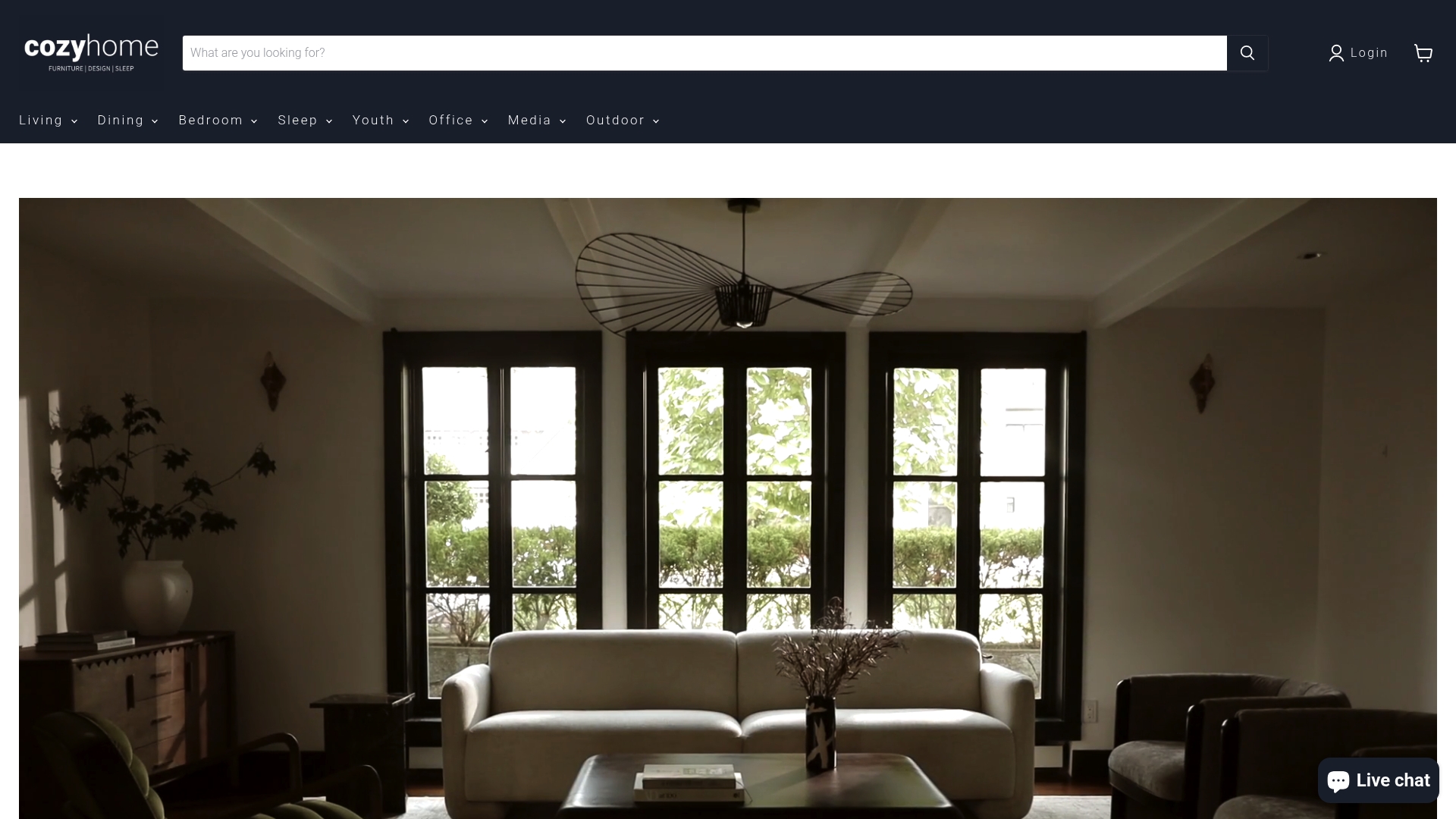
Every piece is made to order in the sizing and configuration your room actually needs, not pulled off a warehouse floor and hoped into place. If you’re drawn to a clean, hair-hiding neutral, the Excelsior sofa in cream shows how a performance-grade fabric can still look sharp in a living room. Prefer leather for a heavy shedder? The Form leather corner chair in Sonoran Tan is worth a look in person. Book a showroom visit in Plano, or request swatches online, and talk through abrasion ratings and bleach-safe care with our staff before you commit to a single yard of fabric.
Sources
- Pet-Friendly Upholstery Fabric — Revolution Fabrics
- Pet-friendly performance fabrics — Sunbrella
- Furniture fabric for pet owners — Crypton
- Best sofa fabrics for pet owners — Apartment Therapy
- Pet-Friendly Upholstery: Best Fabrics for Dog Owners — Fabric Mill (blog)
FAQ
What type of sofa fabric is best for pets?
Tightly woven performance fabrics like olefin, along with genuine leather, perform best overall because they resist stains, release hair easily, and clean up quickly compared to loose or delicate weaves.
What is the most durable couch for pets?
A couch built with a high abrasion rating, ideally a minimum abrasion rating suitable for standard residential use or more, in a performance fabric such as olefin, Sunbrella, or Crypton tends to outlast standard upholstery in pet households.
What is the best fabric if you have dogs?
Performance synthetics with built-in stain resistance work well for dogs prone to accidents or muddy paws, while leather is a strong choice if shedding is the main issue since it wipes clean and doesn’t trap hair.
What type of fabric will dog hair not stick to?
Tightly woven fabrics and leather shed less pet hair than looped or fuzzy textures like chenille or bouclé, since there’s no loose weave or nap for hair to grab onto.
Is leather or fabric better for homes with cats?
It depends on the cat: leather resists hair buildup well but can show claw marks, while a tight-weave performance fabric holds up better against scratching but needs more regular vacuuming for hair.