

Performance Fabric vs. Linen: Which Suits Your Sofa?
Performance fabric is the better fit for a sofa that gets daily use, especially in a home with kids, pets, sunny windows or a habit of eating on the couch. Linen is the better fit when a relaxed, natural look and a breathable feel matter most and the sofa sees lighter wear. A third option sits in between: performance linen, a linen-look upholstery fabric made to handle everyday life. At cozyhome in Plano, we help Texas homeowners match fabric to the way a room is really used, so this guide walks through how the two compare and how to choose.
TL;DR
- Performance fabric is built for durability, stain resistance and easy cleaning. Linen is prized for its look and breathability, but it absorbs spills and wrinkles easily.
- For most homes, a rub count of 15,000 to 20,000 double rubs is enough. For high-traffic seating, 30,000 is the figure Wirecutter recommends.
- Households with children or pets are generally steered away from pure linen and toward high rub counts and stain-resistant finishes.
- Performance linen gives you the textured, natural look with added durability. Ask to see it in person before you decide.
- Because our sofas are made to order, the fabric can be chosen around your room, your light and your household.
Table of Contents
- What performance fabric actually is
- What linen brings to a sofa
- Performance fabric vs. linen at a glance
- Durability: what double rubs tell you
- Spills, stains and fading
- Comfort and feel
- Cleaning and care
- Which one fits your household
- Where performance linen fits
- How to choose in five steps
- Our perspective
- Build the sofa around your fabric
- FAQ
- Sources
What performance fabric actually is
Performance fabric is not one fiber or one weave. It is a description of what an upholstery fabric is designed to do: hold up to wear, resist stains and clean easily. It is typically made from polyester, acrylic, olefin or blends of synthetic fibers, and it comes in many looks, including velvet, chenille and linen-like weaves.
The fade resistance often comes from how the color is added. In solution-dyed fabrics, the color is added while the fiber is still liquid, so it runs through every strand instead of sitting on the surface. That is why these fabrics tend to stand up to sunlight and cleaning far better than conventionally dyed ones.

What linen brings to a sofa
Linen is a natural fiber with a loved look: slightly irregular texture, soft color and an easy, lived-in feel. It also works well with the body. Linen absorbs moisture and releases it as the fiber dries, which helps you feel cool and dry. That same absorbency is why linen wrinkles and holds its shape while wet.
For a formal living room that sees occasional use, those traits are often part of the charm. A little creasing reads as relaxed rather than messy.
Performance fabric vs. linen at a glance
| Factor | Performance fabric | Linen |
|---|---|---|
| Typical durability | 30,000 to 100,000 double rubs for quality options | 15,000 to 25,000 double rubs for most linen |
| Spills | Often bead on the surface for easy cleanup | Highly absorbent, so stains are hard to lift |
| Sunlight | Often fade-resistant, especially when solution-dyed | Can fade more if exposed to sun |
| Wrinkling | Generally holds its shape | Wrinkles easily |
| Feel | Ranges from smooth to textured, many soft finishes | Natural, breathable, textured |
| Best for | Kids, pets, family rooms, sunny spaces | Low-traffic rooms, adults-only living spaces |
Durability: what double rubs tell you
Double rubs come from abrasion tests. A machine rubs the fabric back and forth until it shows wear, and each pass counts as one double rub. A higher number suggests a fabric that will take more sitting, sliding and shifting.
Here is what the checked guidance says:
- For most home use, 15,000 to 20,000 double rubs is sufficient.
- For high-traffic spots in a home, Wirecutter recommends 30,000 for maximum durability, while hotel-grade upholstery can go past 100,000.
- Quality performance fabrics commonly fall between 30,000 and 100,000, while most linen sits between 15,000 and 25,000.
So linen can meet the household minimum, but performance fabric gives a wider margin. Keep in mind that a rub count is one measure of wear. It does not capture how sunlight, tension or repeated cleaning affect a fabric over the years. The two main test methods also differ, and our guide to Martindale vs. Wyzenbeek explains how to read each. For more on the numbers, see what double rubs mean for fabric durability.
Spills, stains and fading
This is where the two fabrics separate most clearly.
Performance fabrics usually have built-in stain resistance, so spills bead on the surface and can be blotted up before they set. Linen is highly absorbent. Coffee, wine or a pet accident soaks in quickly, and lifting the stain often takes professional help. Blotting carelessly can also leave water spots on linen.

Sunlight matters in Texas homes, where west-facing windows in Plano and Frisco can deliver strong afternoon light. Linen can fade more significantly with sun exposure. Solution-dyed performance fabrics are far more resilient because the color is part of the fiber. If your sofa will sit near a big window, that difference is worth weighing.
Comfort and feel
People sometimes assume performance fabric feels stiff or synthetic. Modern options come in soft finishes that mimic cotton, velvet and linen, so the feel gap is smaller than it used to be. Linen still has its own character: crisp at first, softer with time, and cool against the skin. If you love that, performance linen is worth a look in person, because texture is hard to judge on a screen.
Cleaning and care
Weekly habits do most of the work on either fabric. Vacuum with a soft brush attachment every one to two weeks to remove embedded dust and grit before it can bond to the fibers.
After that, the routines differ:
- Performance fabric: Blot spills right away, then clean according to the fabric’s cleaning code. Many modern synthetic upholstery fabrics are even bleach cleanable, which has raised expectations for how easy a sofa should be to care for.
- Linen: Blot, never rub, and expect that some stains will need professional cleaning. Repeated cleaning is harder on linen than on synthetics.
Cleaning codes tell you what products are safe for a given fabric. Our guide to stain-resistant fabrics and the cleaning codes to know covers them in plain terms.
Which one fits your household
Kids and pets
Households with children or pets should look for high rub counts (30,000 or more), stain-resistant or bleach-cleanable finishes, and fabrics that are easy to vacuum and spot-clean. Pure linen is generally discouraged for these homes because it stains easily and is more prone to damage. Our pet-friendly upholstery guide goes deeper on claws, hair and accidents, and the sofa fabric guide for kids, pets and sun covers the same ground for the whole family.
First homes and busy schedules
If this is your first real sofa and it has to serve as a couch, desk and dinner table, performance fabric buys peace of mind. You will not need to treat every drink like an emergency.
Formal or low-traffic rooms
For a sitting room or a primary suite lounge used by adults, linen’s natural look can be a good choice. Rotate the cushions, keep drinks off the arms and keep the sofa out of direct sun.
Sunny rooms
Pick a solution-dyed performance fabric or a performance linen when a sofa will sit in strong light for hours each day.
Where performance linen fits
Performance linen is aimed at readers who want the look of linen without the full set of trade-offs. It offers the natural appearance of linen with added durability treatments designed to resist everyday wear. It suits families who love the airy, textured style but live with the realities of daily use.
When you compare options, check three things: the rub count, the cleaning code and the fiber content. Then sit on it. Weave, weight and hand feel vary a lot between products, and the right one is the one that looks good in your light and feels right when you sit down.
If you are also deciding between other textures, our comparison of performance velvet vs. microfiber and our velvet sofa care guide can help round out the picture.
How to choose in five steps
- Name who uses the sofa. Kids, pets, guests and movie nights all raise the wear level.
- Check the light. Note which windows hit the spot where the sofa will sit.
- Set a rub-count floor. Aim for at least 15,000 to 20,000 for general use and 30,000 for the busiest seat in the house.
- Read the cleaning code. Make sure the way you clean at home matches what the fabric allows.
- Feel it in person. Look at the fabric in your room’s light, then confirm the size and configuration.
Our perspective
Most fabric regrets we hear about come from a mismatch between the fabric and daily life, not from a bad fabric. A beautiful linen sofa in a house with a golden retriever and a toddler is a mismatch. So is a very utilitarian fabric in a room where someone wanted a soft, natural feel.
That is why we build around the household. Our sofas and sectionals are made to order, with more than 700 fabric and leather options, so the fabric, the size and the configuration can all be chosen for the room and for the way it will be lived in. Our in-store team walks shoppers through fabric selection, and we are glad to talk through rub counts, cleaning codes and texture before anything is ordered.
Our advice is simple: decide how the sofa will be used first, then pick the look. When the two line up, a sofa feels right for years.
Dean P.
Build the sofa around your fabric
If you are in Plano, Frisco, Allen, McKinney or anywhere in DFW, visit our showroom and look at fabrics side by side in real light. We can help you choose a fabric, then size and configure a sofa or sectional to fit your room. Explore our made-to-order custom furniture to see what we can build.
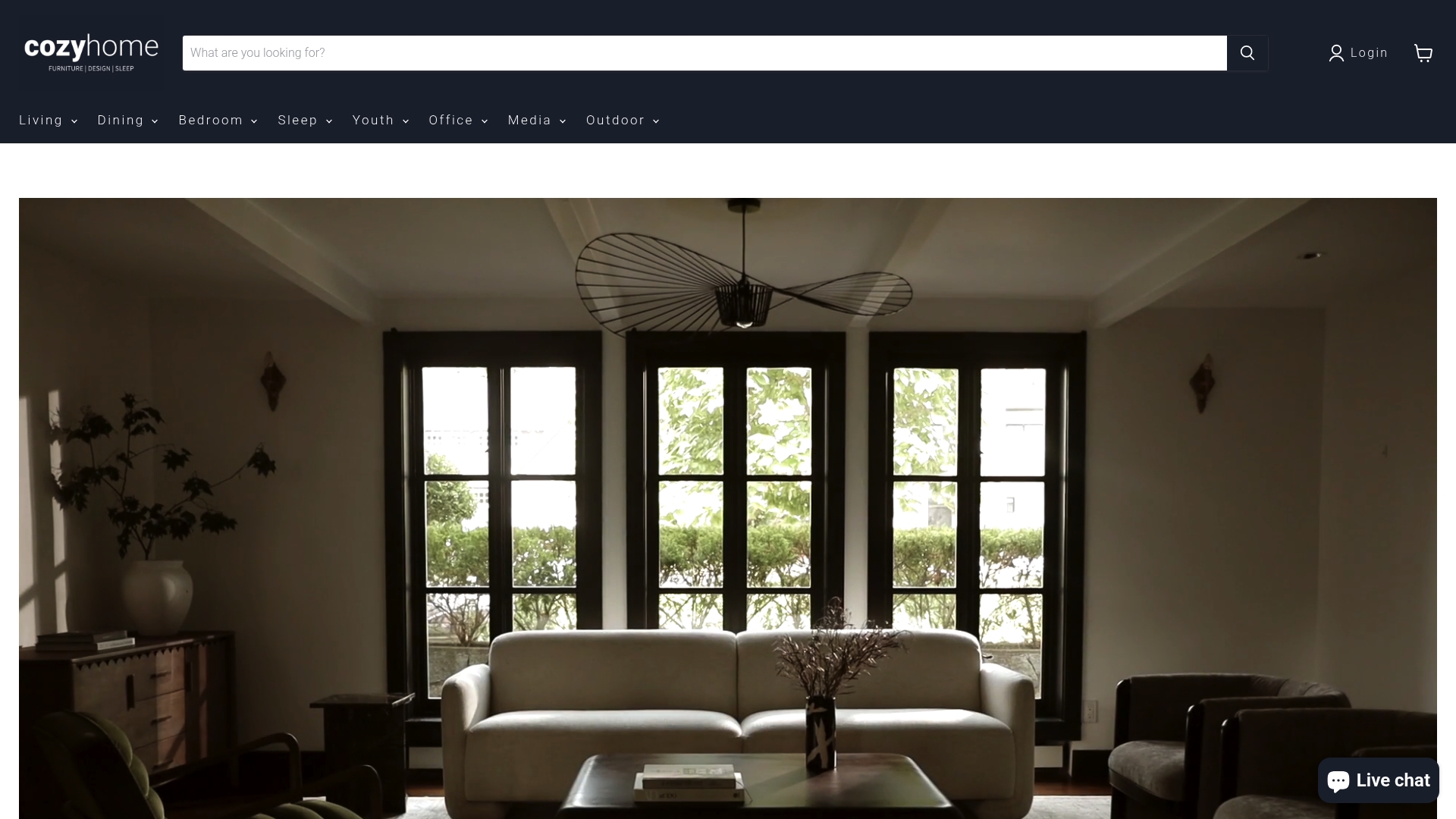
If you would rather browse first, our full collection covers living, dining, bedroom and more, with free local delivery and flexible financing available.
FAQ
Is linen a good choice for a sofa?
Linen can work well for a sofa in a low-traffic room where its natural look and breathability are the priority. It wrinkles easily, absorbs spills and can fade in strong sun. For daily family use, a performance fabric usually gives a wider margin.
How durable is linen compared with performance fabric?
Most linen falls between 15,000 and 25,000 double rubs, while quality performance fabrics commonly range from 30,000 to 100,000. Both can meet the 15,000 to 20,000 level that is enough for most homes, but performance fabric has more room to spare for heavy use.
What is performance linen?
Performance linen is an upholstery fabric that keeps the textured, natural look of linen and adds durability treatments meant to resist everyday wear. Check its rub count, fiber content and cleaning code, and see it in person to judge the feel.
Can you clean linen the same way as performance fabric?
Not usually. Performance fabrics often let spills bead up for quick blotting, and many tolerate more thorough cleaning. Linen absorbs liquids, so stains are harder to lift and may need professional help. Always follow the cleaning code on your fabric.
Sources
- Kids, Pets, Wine. Performance Fabric Can Help. (Wirecutter)
- Linen Is a Finicky Fabric. Here’s How to Fix Its Biggest Problems (Wirecutter)
- What Is Performance Fabric? A Plain-English Guide
- Performance Fabric vs. Linen vs. Velvet