

Furniture Warranty: What It Covers for Home Buyers
A manufacturer warranty covers defects in materials and workmanship. A separate protection plan covers accidental damage and real-life incidents after delivery. Knowing which document covers which problem is the single most useful thing you can do before signing anything at checkout.
Here’s the short version:
- Manufacturer warranty: covers broken frames, faulty recliner mechanisms, seam failures, and structural defects that show up because of how the piece was built
- Protection/extended plan: covers spills, ink stains, rips, pet scratches, burns, and accidental damage that happens during normal home life
Right now, before you do anything else:
- Inspect your delivery before the driver leaves and photograph any damage
- Save your receipt, note the serial number, and register the product if the manufacturer requires it
Table of Contents
- What does furniture warranty cover, and who provides it?
- What your coverage actually pays for
- What furniture warranties and protection plans don’t cover
- How long does furniture warranty coverage last by component?
- How to file a warranty or protection-plan claim
- Is a furniture protection plan worth buying?
- Practical steps that protect your coverage
- Why performance changes aren’t the same as defects
- How does warranty coverage differ by furniture type and material?
- Key Takeaways
- The warranty conversation most buyers skip
- Sources worth reading
- Custom furniture built with coverage in mind
- FAQ
What does furniture warranty cover, and who provides it?
Three separate coverage types often apply to the same piece of furniture, and each comes from a different source.
Manufacturer warranty comes directly from the brand that built the furniture. It starts on the delivery date and focuses on construction defects: frames that crack, joints that separate, mechanisms that fail because of how they were assembled. Manufacturer warranties typically focus on build defects, and retailers often include a limited version automatically with purchase.
Protection plans (also called extended or accidental-damage plans) are sold by the retailer or a third-party administrator at checkout. They start the day the product is delivered and cover real-life accidents the manufacturer never intended to address: a coffee spill, a rip from a pet, a heat mark on a wood surface. These plans are designed to supplement, not replace, the manufacturer warranty.
Shipping and delivery protection is the narrowest of the three. It covers damage that happens in transit, and the reporting window is short, commonly 3–7 days from delivery.
| Provider | Typical start date | Primary coverage focus |
|---|---|---|
| Manufacturer | Date of delivery | Defects in materials and workmanship |
| Retailer/third-party plan | Date of delivery | Accidental damage, stains, functional failures |
| Shipper/merchant | Date of delivery | Transit and packaging damage |
If a recliner mechanism fails two weeks after delivery because of a factory defect, that’s a manufacturer claim. If your child spills juice on the cushion six months later, that’s a protection-plan claim. Understanding which document to reach for saves time and avoids a frustrating runaround.
What your coverage actually pays for
Protection plans commonly cover a specific list of accidental incidents. Coverage often includes heat marks on wood, accidental stains, and punctures, and plans typically run 1–5 years, with some providers extending up to 10 years for certain items.
Common protection-plan covered incidents:
- Food and beverage spills
- Ink, dye, and marker stains
- Rips, tears, and punctures
- Pet scratches (single incident)
- Accidental burns or heat marks
- Dents from a dropped object
Manufacturer warranties cover a different category entirely: problems rooted in how the piece was made.
- Cracked or broken frames
- Faulty recliner or sleeper mechanisms
- Seam or stitching failures that appear early in the product’s life
- Structural joint failures not caused by misuse
Two quick examples to make this concrete:
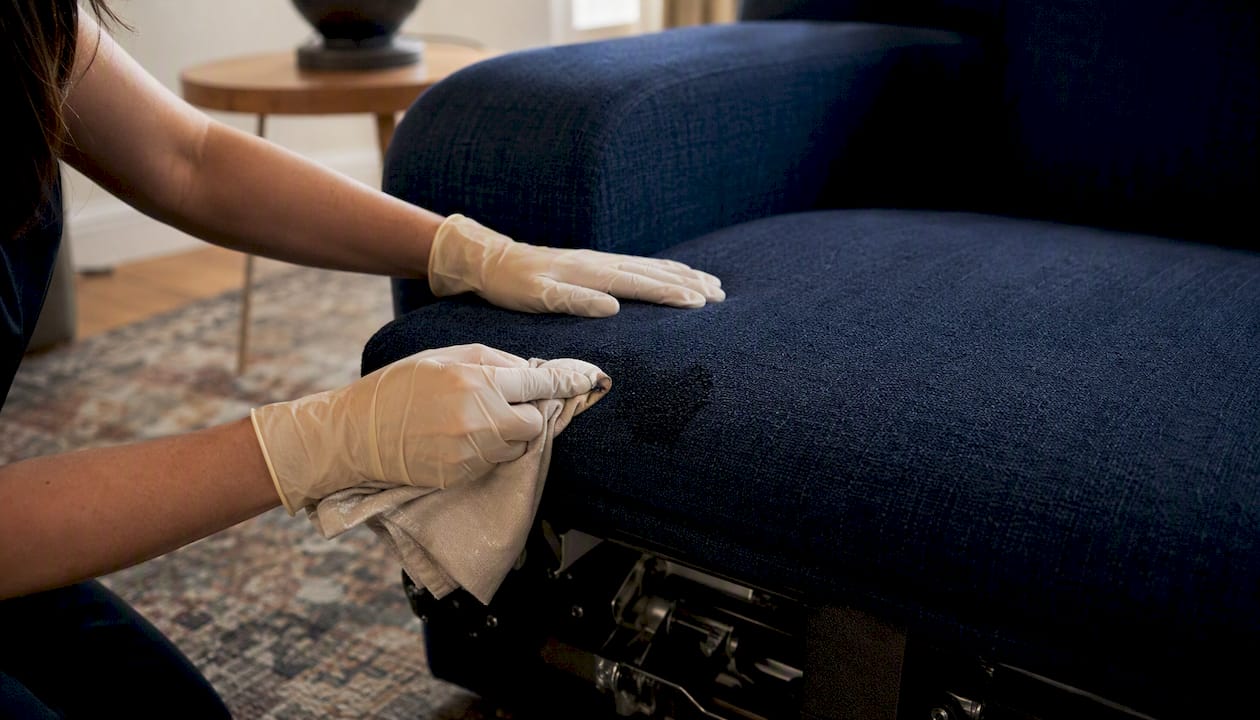
A sofa arrives and the recliner mechanism sticks on the first use. That’s a workmanship defect, so you contact the manufacturer. Six months later, a guest spills red wine on the same sofa. That’s an accidental damage event, so you contact the protection-plan provider. Same sofa, two different documents, two different phone numbers.
What furniture warranties and protection plans don’t cover
Both documents have exclusion lists, and they overlap in important ways. Knowing what’s excluded before you buy prevents the most common surprises.
Standard exclusions across most manufacturer warranties and protection plans:
- Normal wear and tear (fabric pilling, cushion softening, color fading from sunlight)
- Odors, including pet odors that build up over time
- Cumulative pet damage (repeated scratching over months is not a single incident)
- Damage from improper cleaning products or unapproved chemical treatments
- Modifications or alterations made after purchase
- Intentional damage
- Theft or loss
- Commercial use (a sofa used in a rental property or office often voids coverage)
Some plans include special conditions: certain mattress protection plans, for example, require that a mattress protector be in use for the plan to remain active.
Common reasons providers deny claims: late reporting, no proof of purchase, photos that don’t clearly show the damage, evidence of DIY repair attempts before contacting the provider, or documentation that the piece was used commercially.
When you read a policy at purchase, look specifically for the phrase “single incident” in accidental-damage plans. Most plans cover one qualifying event per claim, not ongoing or accumulated damage. Ask the sales associate to point out the exclusion section before you sign.
How long does furniture warranty coverage last by component?
Manufacturers allocate longer terms to structural parts and shorter terms to consumable components. That split reflects realistic failure modes: a solid hardwood frame can last decades, while foam cushions compress over time regardless of how carefully you treat them.
Manufacturer warranty schedules commonly show frames with the longest terms, while cushions and fabric often carry just a one-year limit.
| Component | Typical manufacturer warranty | Typical protection plan |
|---|---|---|
| Frame (wood/metal) | Limited lifetime to 10 years | Covered under plan duration |
| Springs and mechanisms | 1–5 years | Covered under plan duration |
| Cushions and foam | 1–3 years | Not typically covered |
| Fabric and leather | 1 year | Accidental stains/damage covered |
| Electronics (power recliners, speakers) | 1–2 years (separate terms) | Varies by plan |
A note on “limited lifetime” wording: this phrase does not mean the product lasts forever. It typically means the manufacturer will cover that component for as long as the original buyer owns the piece, subject to the exclusions in the policy. It does not transfer to a second owner, and it does not cover normal wear.
When a protection plan’s duration ends, you’re left with whatever remains of the manufacturer warranty. For most fabric and cushion components, that window has already closed. That’s why electronics-rich or mechanically complex pieces often justify a longer plan: repair costs for power mechanisms can approach replacement cost.
How to file a warranty or protection-plan claim
Speed matters more than most buyers realize. Claims windows are shorter than expected, and a delay is one of the most common denial triggers.
Step-by-step claim process:
- Inspect immediately. Check the piece on delivery before the driver leaves.
- Photograph the damage. Wide shots showing the full piece plus close-ups of the specific damage.
- Report transit damage within 3–7 days. This window is commonly 3–7 days for delivery damage; waiting longer often results in automatic denial.
- Report accidental damage promptly. Most protection plans require reporting within 7–30 days of the incident.
- Contact the right party. Manufacturer defects go to the manufacturer or authorized retailer. Accidental damage goes to the protection-plan provider.
-
Submit your documentation. Providers typically request:
- Proof of purchase (receipt or order confirmation)
- Photos of the damage
- Serial number or product registration confirmation
- Written incident description (what happened, when, how)
- Maintenance history if relevant
Typical claim outcomes:
- In-home repair: a certified technician visits to fix the issue
- Replacement: provider approves a new unit or issues a credit toward one
- Prorated refund: partial reimbursement based on remaining plan value
- Denial: issued when documentation is incomplete, reporting is late, or the damage falls under an exclusion
If a claim is denied, ask for the specific exclusion cited in writing. Many providers have an appeal process, and a well-documented appeal with clear photos and a timeline can reverse a denial. Never attempt DIY cleaning or repair before filing, since evidence of prior tampering is a frequent reason for rejection.
Is a furniture protection plan worth buying?
The honest answer depends on four factors: the price of the piece, how complex it is, your household, and what the plan actually costs.
Reasons a plan makes sense:
- You have young children or pets
- The piece has power mechanisms, built-in USB ports, or electronics
- The furniture costs enough that a single repair or replacement would hurt
- The plan covers a clear, specific list of incidents (not vague language)
Reasons to skip it:
- The plan costs more than roughly 10–15% of the item’s price and covers little beyond what the manufacturer already covers
- The exclusion list is longer than the coverage list
- The piece is simple (a solid wood dining table with no mechanisms)
- You’re buying a floor model or used piece where the plan terms may be shortened
Consumers compare plan price relative to furniture price and expect clear coverage lists at purchase. If the sales associate can’t hand you a written list of covered incidents, that’s a signal to ask more questions before committing.
Pro Tip: Ask the retailer to show you the exclusion section of the plan, not just the coverage highlights. The exclusions tell you more about the plan’s real value than the marketing summary does.
A quick decision checklist:
- Is the item priced above $800? A plan becomes more defensible.
- Does it have motors, electronics, or complex mechanisms? Plan value increases.
- Do you have kids under 10 or pets? Accidental-damage coverage earns its cost faster.
- Is the plan price under 10% of the item cost with a clear covered-incidents list? Worth considering.
Practical steps that protect your coverage
Most claim denials are preventable. A few simple habits keep your coverage intact and reduce the chance you’ll ever need to file.
Care and documentation checklist:
- Inspect every piece on delivery and note any damage before signing
- Register the product with the manufacturer within the required window (often 30 days)
- Follow the manufacturer’s cleaning instructions exactly, using only approved products
- Use fabric or leather protectors recommended by the manufacturer
- Avoid unapproved chemical treatments, even “gentle” ones
- Keep your receipt and order confirmation in a dedicated folder (digital or paper)
- Contact the provider before attempting any repair or cleaning on a damaged area
When something goes wrong, call the provider first. A DIY fix that seems minor can void the claim entirely. The same applies to cleaning: using the wrong product on a stain before reporting it is one of the most common reasons protection plans deny fabric claims.
Pro Tip: Take a short video walkthrough of your furniture on the day it arrives, then store it in a cloud folder with your receipt and serial number photo. If a claim comes up six months later, that delivery-day video is the clearest possible proof of the piece’s original condition.
Why performance changes aren’t the same as defects
This is the distinction that surprises most buyers, and understanding it changes how you evaluate both the warranty and the protection plan.
Manufacturers cover how a piece was built. They don’t guarantee how it performs in your specific home over years of use. That’s not a loophole — it’s a practical boundary. A manufacturer can control whether a frame joint is properly glued and doweled. They can’t control whether you keep the sofa in direct sunlight or how often the cushions are rotated.
Common performance changes that are not covered defects:
- Cushion softening and compression over time
- Slight color fading from UV exposure
- Fabric pilling from regular use
- Leather developing a patina or minor surface marks
These are normal outcomes of living with furniture, not failures of construction. The signs of quality furniture construction matter here: a piece built with an eight-way hand-tied spring system and high-density foam will soften more slowly and more evenly than a piece built with sinuous springs and low-density fill. The construction grade doesn’t change what the warranty covers, but it does change how quickly you’ll notice performance changes and whether those changes feel like problems.
At cozyhome furniture, the in-store selection process is built around this reality. When you choose a fabric or leather from the 700+ options available, the staff walks you through durability ratings, cleaning requirements, and how each material ages. That conversation directly affects how much protection-plan value you’ll actually use. A high-performance, easy-clean fabric on a well-built frame is a genuinely lower-risk purchase than a delicate fabric on a mass-market frame, and that changes the math on whether an extended plan makes sense for your household.
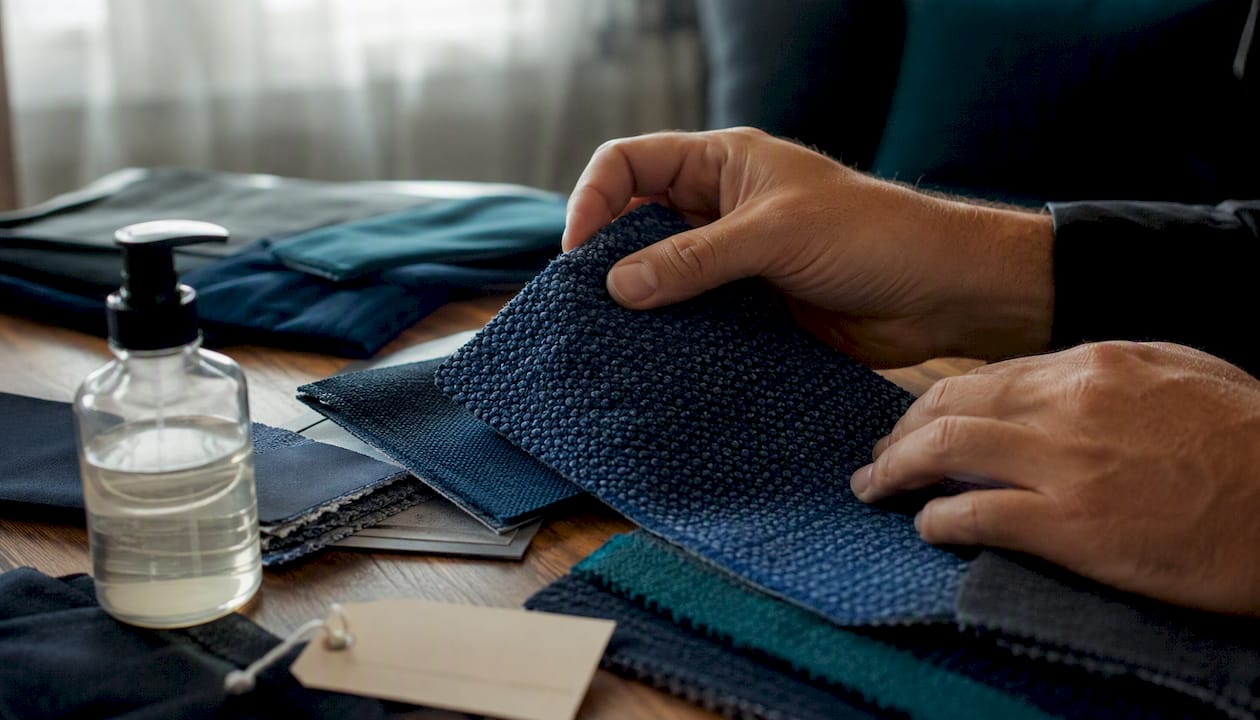
Knowing how craftsmanship grade affects long-term outcomes is one of the most practical things you can ask about before buying. Ask in-store: what’s the frame construction, what’s the foam density, and what cleaning products are approved for this fabric?
How does warranty coverage differ by furniture type and material?
Coverage terms shift depending on what you’re buying, and the differences are worth knowing before you commit.
Sofas and sectionals tend to have the most layered warranty structures: separate terms for frames, mechanisms (especially power recliners), cushions, and fabric. Electronics in power sofas often carry independent, shorter warranties of 1–2 years.
Beds and mattresses are a category where plan conditions matter most. Some mattress protection plans require a mattress protector to be in use from day one, or the accidental-damage coverage is void. Bed frames typically follow the same frame-warranty logic as sofas: longer structural coverage, shorter terms for mechanisms like adjustable bases.
Dining tables and chairs usually have simpler warranty structures because there are fewer moving parts. Frame and joint coverage is the primary concern. Fabric or leather dining chairs follow the same short fabric-warranty norms (often one year), while solid wood table surfaces are typically covered for structural defects but not for surface scratches or heat marks from normal use.
Material differences also shape coverage. Leather typically carries a one-year warranty for manufacturer defects in the hide, but protection plans often cover accidental stains and punctures more readily on leather than on some delicate woven fabrics. Always check whether the plan specifies different terms for leather versus fabric upholstery, since some providers treat them as separate coverage categories.
Key Takeaways
A manufacturer warranty covers construction defects by component, while a protection plan covers accidental damage after delivery — and knowing which applies to your situation determines who you call and how fast you need to act.
| Point | Details |
|---|---|
| Inspect and photograph at delivery | Document the piece’s condition before the driver leaves to support any transit damage claim. |
| Know your coverage type | Manufacturer warranty covers defects; protection plans cover accidents — contact the right provider for each issue. |
| Report damage quickly | Transit damage windows run 3–7 days; accidental-damage plans typically require reporting within 7–30 days. |
| Component durations vary | Frames often carry the longest terms; fabric and cushions commonly have just a one-year manufacturer warranty. |
| cozyhome furniture | In-store staff help you choose construction and fabric that reduce risk, so you can decide if a protection plan fits your household. |
The warranty conversation most buyers skip
Furniture warranties are written to protect manufacturers, not buyers. That’s not cynicism — it’s just the reality of how warranty language is structured. The exclusion list is almost always longer than the coverage list, and the burden of proof falls entirely on the buyer.
What I find most buyers overlook is the connection between construction quality and warranty value. A protection plan on a poorly built piece is a bet that the plan will pay out before the piece fails in ways the plan doesn’t cover. Wear and tear exclusions exist precisely because low-grade construction accelerates the kind of deterioration that looks like wear but is really premature failure.
The smarter move is to start with a piece built well enough that the manufacturer warranty is rarely needed, then add a protection plan only if your household genuinely creates accidental-damage risk. That’s a different calculation than buying a plan because the salesperson offered it at checkout.
At cozyhome furniture, we’d rather spend time in the showroom helping you understand what you’re buying than have you rely on a protection plan to compensate for a piece that wasn’t right for your home in the first place. The furniture structural integrity of a piece tells you more about its long-term value than any warranty document.
Sources worth reading
The following sources informed this guide and are worth reviewing if you want full policy text or manufacturer terms:
- Furniture Protection Plans: What They Are, and What Consumers Want From Them
- The Complete Guide to Furniture Warranty & Protection Plans
- What Furniture Warranties Really Cover (And What They Don’t)
- Furniture Coverage
- Ashley Furniture Industries Limited Warranties
- Product Warranties: Homeowner’s Guide
Custom furniture built with coverage in mind
Most furniture warranty questions come down to one thing: how well was the piece made, and does the coverage match the risk you’re actually taking home?
At cozyhome furniture, every sofa, sectional, and bed is made to order with American craftsmanship and your specific space in mind. With 700+ fabric and leather options and in-store staff who walk you through durability, cleaning requirements, and construction details, you leave knowing exactly what you bought and what to expect from it. That clarity makes the protection-plan decision straightforward rather than a guessing game at checkout.
Free local delivery covers the Plano, Frisco, Allen, McKinney, and surrounding DFW area. Come into the showroom, ask about warranty terms on any piece, and see the Excelsior Sofa as a starting point for what made-to-order quality looks and feels like.

FAQ
What is not covered in a furniture warranty?
Standard manufacturer warranties exclude wear and tear, fading, cushion softening, odors, improper cleaning damage, modifications, and intentional damage. Protection plans add similar exclusions and typically will not cover cumulative pet damage, theft, or commercial use.
Is it worth getting a warranty on furniture?
A protection plan earns its cost when the piece has electronics or power mechanisms, the household includes young children or pets, and the plan price is under roughly 10–15% of the item’s cost with a clear covered-incidents list. Simple pieces without mechanisms are harder to justify.
Does a furniture warranty pay for everything?
No. Both manufacturer warranties and protection plans cover specific, listed events. Manufacturer warranties cover construction defects by component, often with different durations for frames, mechanisms, cushions, and fabric. Protection plans cover accidental damage but exclude wear, neglect, and intentional harm.
What counts as a furniture construction warranty?
A furniture construction warranty, also called a manufacturer or limited warranty, covers defects in how the piece was built: frame integrity, joint construction, spring systems, and mechanical components. It does not cover how the piece performs over time in your home or damage caused after delivery.
How quickly do you need to report furniture damage?
Transit or delivery damage typically must be reported within 3–7 days. Accidental-damage claims under a protection plan usually require reporting within 7–30 days of the incident, depending on the provider’s terms.