

Furniture Store Types: Key Differences You Should Know
What are the main differences between furniture store types?
The differences between furniture store types come down to four things: how much you can customize, what you pay, how you shop, and what you take home. Get clear on those four factors, and choosing the right store becomes a lot simpler.
Here is a quick breakdown of the main types:
- Traditional retail stores: Pre-made, in-stock furniture across many styles and price points. What you see is what you get, and you can often take it home the same day.
- Design studios and custom showrooms: Made-to-order pieces with extensive customization covering fabric, dimensions, cushion density, leg finish, and configuration. Typical lead times for made-to-order pieces are longer, generally spanning multiple weeks to months.
- Warehouse retailers: Massive inventory, self-service shopping, and frequent same-day pickup. Volume and speed are the priorities.
- Lifestyle stores: Full-room shopping that includes accessories, lighting, rugs, and decor alongside furniture, organized around a coherent aesthetic theme.
- Outlet and discount stores: Clearance, floor models, and budget-focused pieces at reduced prices, usually with limited selection and no customization.
The biggest practical split is between stock-on-hand stores (warehouses, traditional retail) and made-to-order stores (design studios, custom showrooms). One gives you speed; the other gives you fit.
How do furniture store types compare across the dimensions that matter?

The table below covers the five dimensions most buyers care about when making a furniture store comparison.

| Store Type | Customization | Price Level | Shopping Experience | Product Quality | Store Focus |
|---|---|---|---|---|---|
| Traditional retail | Low (2 color/finish options) | Budget to mid-range | Self-service, transactional | Varies widely | Volume and variety |
| Design studio/showroom | High (fabric, size, config, finish) | Mid to premium | Consultative, collaborative | Consistently high | Personalization and longevity |
| Warehouse retailer | Very low | Budget to mid-range | Self-service, discovery-based | Varies by brand | Inventory depth and speed |
| Lifestyle store | Low to moderate | Mid-range | Curated, theme-driven | Moderate to high | Whole-room aesthetic |
| Outlet/discount store | None | Budget | Transactional | Lower to moderate | Clearance and value |
Customization
Traditional retail stores typically offer a limited number of finish or fabric variations per piece. Design studios go far deeper: fabric choice, cushion firmness, leg finish, arm style, and overall dimensions are all on the table. Some vendors offer thousands of possible configurations for a single piece. That gap is the single biggest reason shoppers with specific rooms or strong style preferences end up at a showroom rather than a big box store.
Pricing and financing
Warehouse and traditional retail stores win on upfront price. Their volume-based supply chains keep costs down, and many offer financing plans with tiered pricing. Design studios carry higher price points because each piece is built after you order it, but manufacturer warranties often come with the purchase. Outlet stores offer the lowest sticker prices, though the trade-off is limited selection and no customization.
Shopping experience and service
Sales-led stores focus on transactional speed. Staff know product specs and can help you find something in stock, but design input is minimal. Designer-led showrooms work more like a consultancy: staff are often trained in interior design and guide you through fabric swatches, room layouts, and scale considerations. The shopping visit takes longer, but you leave with a plan rather than just a purchase.
Return policies and warranties
Return windows vary significantly by store type. Warehouse and online-first retailers commonly offer 30-day return windows, sometimes with return shipping fees on large items. Design studios typically back their pieces with manufacturer warranties, since each item is built to spec. Lifestyle stores and traditional retailers fall in the middle, with policies that depend on the brand carried.
Delivery options
Warehouse stores often allow same-day or next-day pickup because inventory is on-site. Traditional retailers may require a delivery window of one to two weeks for in-stock items. Custom showrooms schedule delivery after production, which ties back to that 2–3 month lead time. Many design-focused stores include white-glove delivery as part of the purchase, placing and positioning the piece in your room.
Pros and cons at a glance:
- Traditional retail: Wide variety, accessible pricing, limited customization, inconsistent quality across brands
- Design studio: High quality, deep customization, longer wait, higher price
- Warehouse: Immediate availability, broad selection, minimal service, variable quality
- Lifestyle store: Great for whole-room looks, moderate customization, mid-range pricing
- Outlet/discount: Low cost, no customization, limited stock, shorter product lifespan
How do you choose the right furniture store type for your situation?
The right store depends on four things: your timeline, your budget, how much design help you want, and whether you need a piece that fits a specific space.
Key factors to weigh:
- Timeline: If you need a sofa before a gathering next weekend, a warehouse or traditional retailer is your best option. If you are furnishing a new build or a room you are designing from scratch, a 2–3 month lead time at a design studio is worth planning around.
- Budget: Warehouse and traditional retail stores offer the most accessible price points. Design studios cost more upfront, but the pieces tend to last longer, which changes the value calculation over time.
- Design support: If you already know what you want, a sales-led store is efficient. If you are working with an unusual room shape, a specific color palette, or a multi-purpose space, a designer-led showroom prevents costly mistakes. Learning about bespoke furniture design before you shop helps you ask the right questions.
- Longevity vs. convenience: A guest bedroom or a starter apartment can work well with a warehouse purchase. A living room sofa you plan to keep for a decade is a different decision. Thinking through how you actually live in a space changes what store type makes sense.
Scenarios where each model fits best:
- Furnishing a whole home quickly: warehouse or lifestyle store
- One focal piece built to last: design studio or custom showroom
- Tight budget, functional need: traditional retail or outlet
- Whole-room aesthetic with accessories included: lifestyle store
Pro Tip: Savvy shoppers often mix store types: use a warehouse or traditional retailer for functional, quick-turnaround pieces like guest beds or accent tables, and invest in a design studio for the pieces that anchor a room, like a sectional or a dining set.
Financing availability is also worth factoring in. Many traditional and warehouse retailers offer payment plans that make higher-ticket items accessible. Design studios may have minimum spend thresholds or design consultation fees, so ask upfront. Avoiding common furniture shopping mistakes often starts with knowing which store type fits your project before you walk in.
What really separates a showroom from a warehouse store?
The showroom versus warehouse distinction is one of the most practical differences in furniture retail, and it goes well beyond store size.
Showroom strengths:
- Curated displays styled as complete room vignettes, helping you visualize scale and proportion
- Staff trained in design principles who can advise on fabric durability, color theory, and room planning
- Access to custom orders, specialized finishes, and modular configurations not available in stock
- White-glove delivery included or available, with placement in your room
Warehouse strengths:
- Hundreds of pieces on the floor for direct, side-by-side comparison
- Stock on-site, enabling same-day pickup or next-day delivery
- Broader price range, from budget to mid-tier, in a single visit
- Self-service model that works well for buyers who already know what they want
The ambient experience differs too. Warehouses are functional and discovery-driven. You walk aisles, compare options, and make decisions independently. Showrooms are quieter and more deliberate, designed to slow you down in a good way so you think about how a piece fits your life, not just your floor plan. For inspiration on how different cultural aesthetics translate into a cohesive room, resources like Afrocentric living room decor show how intentional styling works across different design traditions.
One trend worth noting: the line between these two models is blurring. Many warehouse retailers are adding design consultation services, and some traditional showrooms are expanding their in-stock inventory. The DFW buyer’s guide from cozyhome furniture covers this hybrid shift in detail for local shoppers.
Return policies also differ by model. Showrooms backed by manufacturer warranties tend to offer stronger long-term coverage. Warehouse stores may have shorter return windows and charge fees for large-item returns. Always confirm the return policy and delivery terms before you buy, regardless of store type.
See the difference at cozyhome furniture
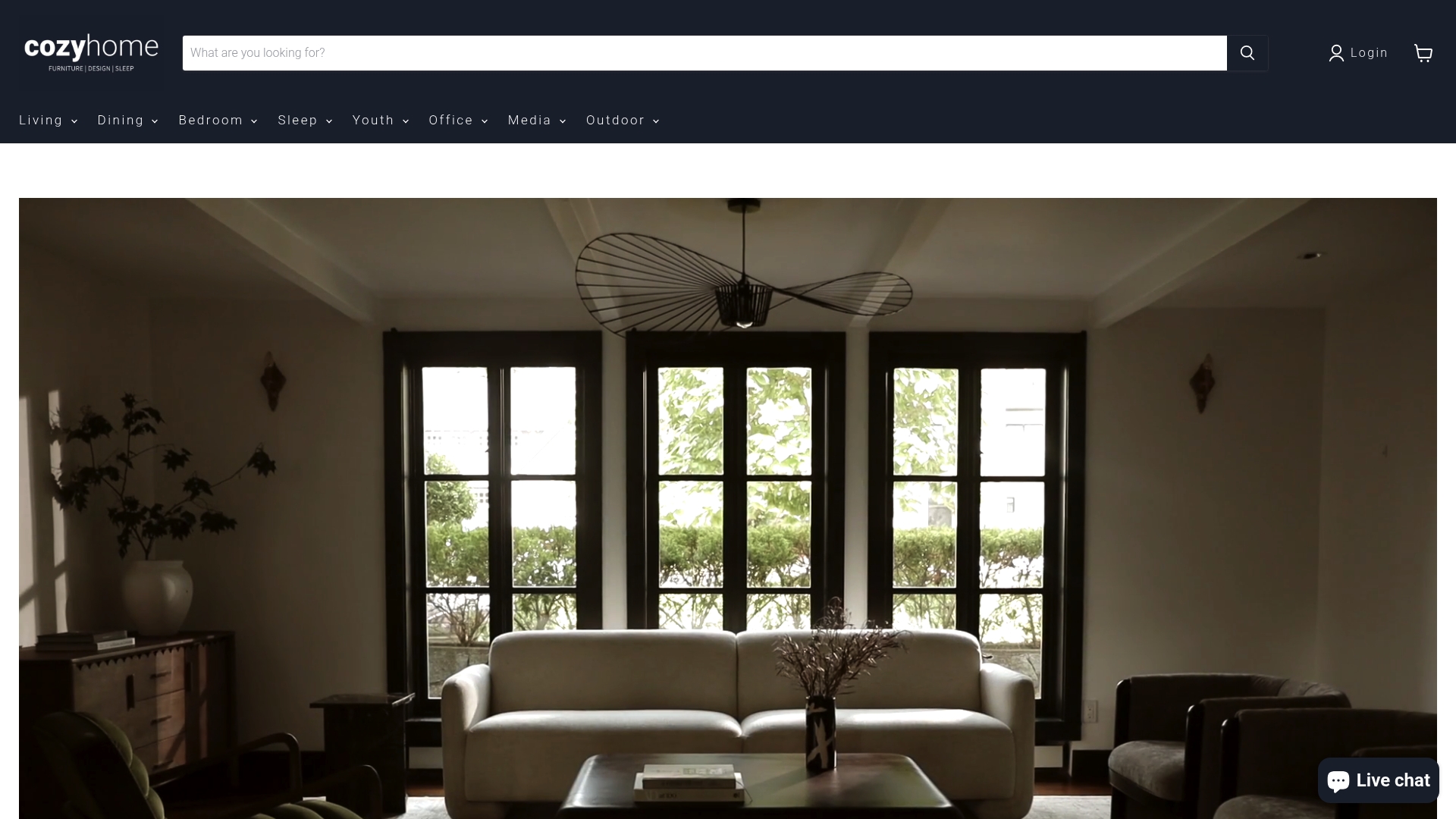
cozyhome furniture in Plano, Texas is a custom showroom built for DFW homeowners who want furniture made for their space, not pulled off a warehouse floor. With 700+ fabric and leather options and American-made craftsmanship, every piece is made to order around your room, your style, and the way you actually use it. Free local delivery, flexible financing, and knowledgeable in-store staff make the process straightforward from first visit to final placement.
Explore some of our most popular custom pieces: the Koba Sofa in Black, the Quinn Sofa in Oatmeal, or the Form Signature Modular Sectional. Visit our Plano showroom or browse online to start building yours.
Key Takeaways
The most important difference between furniture store types is the service model: design-led showrooms offer personalized consultation and made-to-order pieces, while sales-led stores prioritize speed, volume, and immediate availability.
| Point | Details |
|---|---|
| Customization depth | Design studios offer fabric, size, cushion, and finish options; traditional retail limits you to 2–4 preset variations. |
| Lead time trade-off | Custom made-to-order pieces take 2–3 months; warehouse and retail stores often allow same-day pickup. |
| Service model | Showrooms work as consultancies with design-trained staff; warehouse stores are largely self-service. |
| Pricing and value | Warehouse and traditional retail win on upfront cost; design studios offer longer product lifespan and manufacturer warranties. |
| Hybrid approach | Mixing store types, warehouse for quick-turnaround pieces and a showroom for focal items, optimizes both value and quality. |
FAQ
What are the main types of furniture stores?
The main types are traditional retail stores, design studios and custom showrooms, warehouse retailers, lifestyle stores, and outlet or discount stores. Each serves a different combination of budget, timeline, and customization need.
What is the difference between a furniture store and a design store?
A traditional furniture store sells pre-made, in-stock pieces with minimal customization. A design store works collaboratively with you to build made-to-order furniture tailored to your space, fabric preferences, and dimensions, typically with a 2–3 month production timeline.
Which furniture store type offers the best customization?
Design studios and custom showrooms offer the deepest customization, covering fabric, cushion firmness, leg finish, arm style, and overall dimensions. Some vendors offer thousands of possible configurations for a single piece.
What are the four types of furniture?
Furniture is broadly categorized as seating (sofas, chairs), case goods (dressers, bookcases, tables), beds and bedroom pieces, and outdoor furniture. Most furniture stores carry a mix, though some specialize in one or two categories.
Which store type is best for buyers on a tight timeline?
Warehouse retailers and traditional retail stores are best for tight timelines, since inventory is on-site and same-day or next-day pickup is often available. Design studios require planning ahead due to their 2–3 month made-to-order production schedule.