

Custom Dining Table Style Options: What to Choose and Ask
The most practical custom dining table style options fall into seven families: farmhouse/trestle, pedestal, Parsons/minimal, modern/contemporary (metal or sculptural base), mid-century, live-edge, and extension/leaf tables. Each one opens up a different set of customization choices, and the right pick depends on your room shape, how you live, and how many people you regularly seat. Before you visit a showroom or request a quote, measure your space and confirm you have ample clearance on every side of the table for comfortable movement. Hang pendant lighting at a height that balances well with your table size to ensure a comfortable and stylish dining experience.
Here is a quick way to narrow the field before you go further:
- Room shape: Round tables create intimacy in compact nooks; rectangular tables suit long, formal dining rooms. Designer Claire Mac recommends choosing shape, material, and scale first to make every other styling decision easier.
- Lifestyle: Families with kids or pets should prioritize durable, repairable finishes (hard-wax oil or satin lacquer) over high-gloss surfaces that show every scratch.
- Seating flexibility: If you host occasionally but not daily, an extension table with a self-storing or butterfly leaf gives you the extra seats without the permanent footprint.
- Budget and lead time: Made-to-order tables in the U.S. typically run 6–16 weeks from order to delivery, so plan ahead if you have a move-in date or event.
Pro Tip: Bring a photo of your dining room, your room dimensions, and a rough budget range to your first showroom visit. Showroom staff can eliminate half the options in ten minutes with that information in hand.
Table of Contents
- What are the most popular custom dining table styles?
- How do table shape and size affect seating and room fit?
- What customization features should you specify when ordering?
- What do custom dining tables cost, and how long do they take?
- How do you choose the right style? A checklist to bring to the showroom
- What to expect when ordering from a local showroom
- Key Takeaways
- The detail most buyers overlook when ordering a custom table
- cozyhome furniture makes custom dining easy for DFW homeowners
- Useful sources and further reading
- FAQ
What are the most popular custom dining table styles?
Each style family has a distinct look and a specific set of customization choices that affect both price and practicality. Here is a working overview, followed by a comparison table to help you weigh the options side by side.
Farmhouse/trestle tables use two vertical end supports connected by a horizontal stretcher. The trestle base handles long spans well, which is why builders often recommend it for tables over 84 inches. Top styles range from rough-sawn boards with visible seams (a rustic, distressed look at around 2½ inches thick) to smooth, seamless slab tops for a cleaner finish.
Pedestal tables have a single central column, which frees up leg room on all sides. They work beautifully in round or oval configurations and are a natural fit for smaller dining rooms. The trade-off: a single pedestal can limit stability at very large sizes, so most makers switch to a double pedestal for tables over 72 inches.
Parsons/minimal tables feature a clean, flush top with straight, upholstered or solid-wood legs that align with the table edge. The look is tailored and versatile. A marble-top Parsons table pairs well with almost any chair style and reads as both modern and classic depending on the finish.
Modern/contemporary tables lean on metal bases, sculptural forms, or mixed materials. Current 2026 trends favor wood-and-metal combinations and statement bases that anchor an open-plan dining zone. These tables are strong candidates for homes where the dining area doubles as a visual focal point.
Mid-century tables typically feature tapered legs, walnut or teak veneers, and a lower profile. Customization options are somewhat narrower here because the tapered-leg silhouette is the defining feature, but you can usually specify wood species, stain, and top thickness.
Live-edge tables use a natural wood slab with the tree’s original edge intact. No two are alike. Walnut is the most requested species for live-edge work because of its rich grain and natural color variation. Because the slab itself is the design, buyers should always request photos of the exact piece before production begins.
Extension/leaf tables add seats on demand. The three common mechanisms are butterfly leaves (fold out from the center), removable leaves (stored separately), and self-storing leaves (slide in from the ends). Self-storing is the most convenient but adds cost.
“The dining table sets the tone for the room. Choose shape, material, and scale first — get those three right and styling becomes much easier.” — Claire Mac, luxury interior designer
| Style | Best for / aesthetic | Materials / top options | Typical price range | Lead time | Durability / maintenance | Seating / room size |
|---|---|---|---|---|---|---|
| Farmhouse/trestle | Casual, rustic, family dining | Solid oak, pine, reclaimed wood | $600–$4,000 | 6–10 weeks | High; oil finish recommended | 6–10 seats / 10×12 ft+ |
| Pedestal | Round/oval rooms, intimate dining | Solid wood, marble top | $600–$1,500 | 4–8 weeks | Medium; base can wobble at large sizes | 4–6 seats / — |
| Parsons/minimal | Modern, transitional, versatile | Wood, marble, glass | $600–$4,000 | 6–10 weeks | High with lacquer; marble needs sealing | 4–8 seats / 10×12 ft |
| Modern/contemporary | Open plans, statement pieces | Metal base + wood/stone top | $1,500–$10,000+ | 8–16 weeks | High metal base; top varies by material | 4–8 seats / — |
| Mid-century | Retro-modern, smaller spaces | Walnut, teak veneer, solid wood | $600–$1,500 | 6–10 weeks | Medium; veneer needs care | 4–6 seats / — |
| Live-edge | Organic, artisan, focal-point rooms | Walnut, maple, cherry slab | $1,500–$10,000+ | 10–16 weeks | High wood; oil finish preferred | 6–10 seats / — |
| Extension/leaf | Flexible households, occasional hosting | Solid wood, veneer | $600–$4,000 | 8–12 weeks | Medium; mechanism needs periodic care | 4–10 seats / 10×12 ft |
How do table shape and size affect seating and room fit?
Shape is the first decision, and it has more impact on how a room feels than most buyers expect. Round tables encourage conversation and work well in square rooms or breakfast nooks. Rectangular tables are the standard for elongated family dining rooms and seat the most people per square foot of floor space. Oval tables blend both benefits: they soften a long room while still accommodating a larger group. A small round oak table in a compact space, for example, keeps traffic flowing around it far better than a rectangular table pushed against a wall.
Here is a practical sizing reference for comfortable seating:
| Table size | Shape | Comfortable seat count |
|---|---|---|
| — | Round | 4 |
| — | Round | 4–5 |
| — | Round | 6 |
| — | Rectangular | 4–6 |
| 72 in length | Rectangular | 6 |
| 84 in length | Rectangular | 6–8 |
| 96 in length | Rectangular | 8–10 |
| — | Oval | 6 |
Leave at least a comfortable amount of clear space between the table edge and any wall or furniture on every side. For pendant lighting, hang the fixture at a height that visually anchors the table while maintaining unobstructed sight lines and conversation comfort. Pair your lighting choices with the table’s scale: a wide slab table can carry a linear multi-pendant fixture, while a round pedestal table usually looks best under a single centered pendant or chandelier. For lighting ideas that complement different table styles, decorative lighting guides are a useful reference.
Pro Tip: Advertised seat counts are often optimistic. A trestle base with a low apron may block the end chairs entirely. Always verify the apron height and test chair clearance against your chosen base before confirming the order.
What customization features should you specify when ordering?
Getting the right table means making clear decisions on six core variables. Each one affects the final look, the price, and how much maintenance you will do over the years.
Wood species and top construction
- Solid hardwood (oak, walnut, maple, cherry) is the most durable and repairable option. Oak is the most affordable of the four; walnut costs more but offers a richer, darker tone.
- Veneer tops look similar to solid wood at a lower price point but cannot be sanded down if they scratch deeply.
- Engineered or butcher-block tops handle humidity changes better than wide single-piece slabs, which is worth noting for homes in climates with significant seasonal swings.
- Solid stone (marble, quartzite) adds weight and a premium look but requires sealing and is unforgiving of dropped items. Thin stone tops on a wood substrate are lighter and slightly more forgiving.
- Glass tops show fingerprints readily and are best suited to low-traffic or adult-only households.
Edge profile
The edge is a small detail with a visible impact. A bevel or chamfer edge reads as more formal; an eased (slightly rounded) edge is the most family-friendly; a live edge retains the natural curve of the wood and is specific to slab tops.
Tabletop thickness
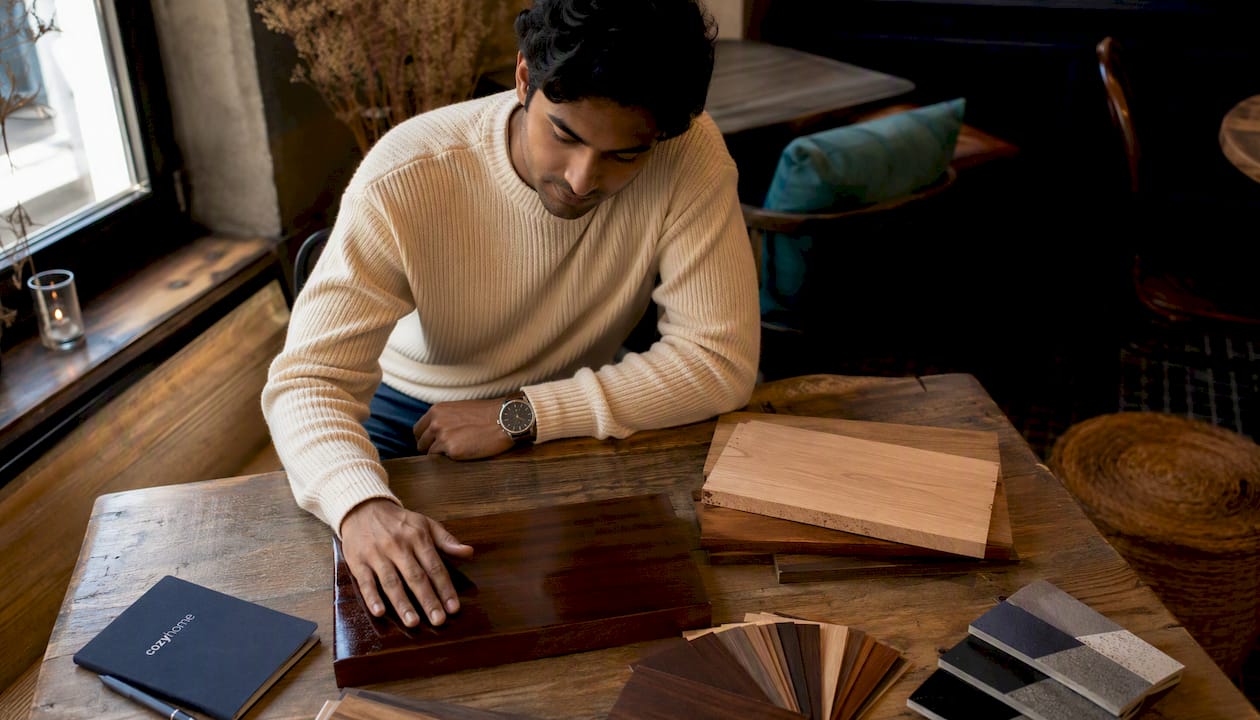
Standard tops run 1–1.5 inches thick. Farmhouse-style tops are often 2–2.5 inches, which adds visual weight and a more substantial feel. Thicker tops cost more and add shipping weight.
Finish type
Hard-wax oil finishes are repairable at home and are the most family-friendly choice. Lacquer and polyurethane are more protective but harder to spot-repair. High-gloss lacquer shows scratches and water rings more readily. Darker-stained woods look moody and modern but can make wear more visible over time.
Extension mechanisms
Butterfly leaves fold out from the center and require no storage. Removable leaves need a place to live when not in use. Self-storing leaves slide in from the ends and are the most convenient, though they add to the base price.
Practical limitations to know
Some makers offer sizing in fixed increments rather than fully continuous measurements. Custom programs often allow sizing by the inch within a set span, but base compatibility changes at certain widths. Solid-wood tops beyond certain lengths typically need a central support to prevent long-term sagging from wood movement. Live-edge slabs cannot be exactly color-matched or grain-matched because each piece is unique.
What do custom dining tables cost, and how long do they take?
Pricing for made-to-order dining tables in the U.S. breaks into three broad tiers:
- Entry-level custom ($600–$1,500): Solid wood or veneer top, standard base options, limited finish choices, and sizing within a fixed range. Lead time is typically 4–8 weeks.
- Mid-tier custom ($1,500–$4,000): Wider material selection, more base styles, custom sizing by the inch, and specialty finishes. Lead time runs 8–12 weeks.
- High-end bespoke ($4,000–$10,000+): Live-edge slabs, sculptural metal bases, stone tops, complex extension mechanisms, and fully custom dimensions. Lead time is 10–16 weeks, sometimes longer for slab sourcing.
What drives cost up: slab width and species, base complexity (a welded steel base costs more than turned wood legs), specialty finishes, and any extension hardware. Some makers, particularly for bespoke round tables, price by size category rather than by the inch, allowing small adjustments within a chosen category at a fixed price.
Budget anchor: For a solid-wood rectangular table in the 72–84 inch range with a standard base and oil finish, most U.S. made-to-order shops quote $1,800–$3,200 before delivery.
Plan for the full lead time before you need the table. Custom finishes, live-edge slab selection, and complex bases each add weeks to production.
How do you choose the right style? A checklist to bring to the showroom
A little preparation makes the showroom visit far more productive. Work through this list before you go.
Before you visit:
- Measure the room and confirm 35 inches of clearance on all sides at your target table size.
- Count your regular seating needs and your occasional maximum (for holidays or gatherings).
- Take photos of the room, including flooring, wall color, and existing furniture.
- Note your preferred finish direction (light/natural, dark/stained, painted, or natural oil).
- Set a realistic budget range and a target delivery date.
Questions to ask your builder or showroom:
- What is the apron height, and will my chairs clear it comfortably?
- How does the base (pedestal, trestle, four-leg) affect the actual number of chairs that fit?
- What leaf storage type is included, and where does the leaf live when not in use?
- What finish do you recommend for a household with kids or pets?
- What is the warranty, and what does it cover for finish wear or wood movement?
- Will you send photos of the actual slab before production begins (for live-edge orders)?
- Can I see finish samples in my home lighting before I confirm?
Always request a written spec sheet that lists the exact dimensions, wood species, finish, base type, and lead time before you sign off on the order. For live-edge or heavily figured wood tops, insist on slab photos. Pairing your table with the right art and wall treatment also shapes how the whole room reads; dining room art guidance can help you think through scale and placement alongside the table.
What to expect when ordering from a local showroom
The ordering process at a good local showroom follows a clear sequence, and knowing the steps in advance keeps things moving smoothly.
Consult and measure. The first visit is about narrowing options. Bring your room dimensions and photos. Showroom staff will walk you through base styles, top materials, and finish samples, and they can flag sizing issues before they become problems.
Design and finish selection. Once you settle on a style, you choose the specific wood species, stain or finish, edge profile, and base. For live-edge orders, the shop should present slab options with photos at this stage.
Production and milestone updates. Most makers provide a production start date and a rough delivery window. For complex orders, some shops send a photo of the finished piece before shipping.
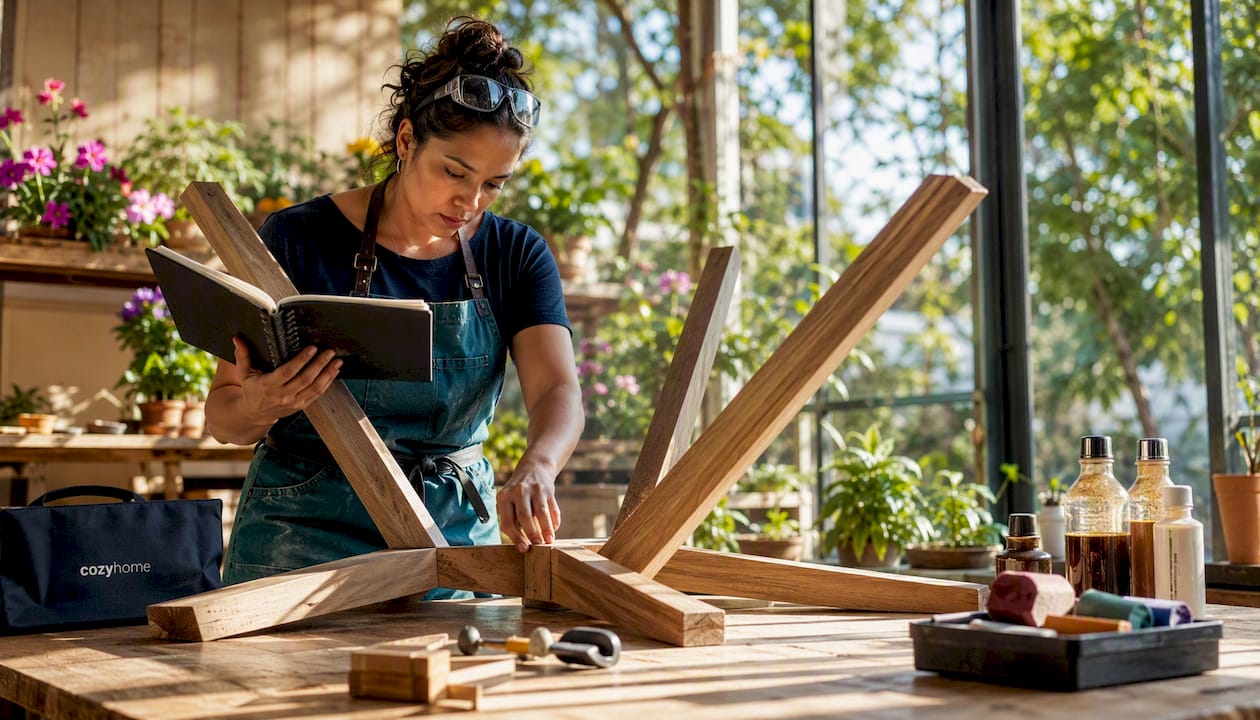
Delivery and placement. Local showrooms typically handle white-glove delivery and in-room placement. Confirm whether assembly is included and whether the delivery team will remove packaging.
cozyhome furniture’s showroom in Plano handles all of this in-store, with staff who guide you through sizing, finish selection, and configuration for dining tables and the full room. Free local delivery covers the DFW area, and financing options are available for larger orders.
Pro Tip: Request a written spec sheet that includes dimensions, species, finish name, base type, and the confirmed lead time. A verbal agreement is easy to misremember; a written spec protects both you and the maker.
Key Takeaways
Choosing the right custom dining table comes down to matching shape and material to your room and lifestyle, then confirming the practical details before production starts.
| Point | Details |
|---|---|
| Shape follows room layout | Round tables suit square rooms and intimate settings; rectangular tables work best in long dining rooms. |
| Clearance and pendant height | Allow 35 inches (90 cm) around the table and hang pendants 30–35 inches (75–90 cm) above the tabletop. |
| Material matches lifestyle | Oil finishes are repairable and family-friendly; lacquer is more protective but harder to spot-fix. |
| Lead times vary by complexity | Entry-level custom runs 4–8 weeks; live-edge or bespoke orders typically take 10–16 weeks. |
| cozyhome furniture for DFW buyers | cozyhome furniture’s Plano showroom offers made-to-order dining tables with in-store sizing guidance, finish swatches, free local delivery, and financing options. |
The detail most buyers overlook when ordering a custom table
Most people spend a lot of time on the top, and almost no time on the base. That is the wrong order of priorities.
The base determines how many people actually fit, not just how many the spec sheet claims. A beautiful trestle with a low apron can block end chairs entirely. A single pedestal that looks elegant in a showroom photo may wobble noticeably once the table is loaded with dishes and people leaning on it. A four-leg base on a 96-inch table will almost certainly put a leg right where your corner guests want to sit.
We see this play out regularly. A buyer falls in love with a live-edge walnut slab, orders a sculptural metal base to match, and then discovers at delivery that the base’s crossbar sits exactly at knee height. The fix, if there is one, is expensive and slow.
The practical advice: choose your base first, verify the apron height and leg placement against your chairs, and then select the top. For long spans, a trestle base is structurally sound and keeps the ends clear. For round tables, a pedestal is almost always the right call. For families, a four-leg or trestle with a high apron gives the most flexibility with chair styles.
Finishes deserve the same honesty. A dark, heavily stained walnut looks stunning in a showroom. In a home with two kids and a dog, it will show every water ring and scratch within a year. Hard-wax oil on a lighter wood is far more forgiving, and when it does show wear, you can repair it yourself with a cloth and a tin of oil. That is a real practical advantage, not just a styling preference.
cozyhome furniture makes custom dining easy for DFW homeowners
Skip the guesswork of ordering a dining table sight-unseen. cozyhome furniture’s Plano showroom gives you a hands-on experience: see finish samples in person, work with staff who know how to match a table to your room dimensions and chair height, and walk away with a written spec before anything goes into production.
American-made craftsmanship, free local delivery across the DFW area, and flexible financing mean you get a table built for your space without the stress of a big-box purchase. Whether you are looking for a fabric dining chair to pair with your new table or want to see the full made-to-order lineup, the showroom team is ready to help. Visit us at our Plano location or browse the collection online at cozyhomefurniture.com to request a custom quote or book a consult.
Useful sources and further reading
A short list of resources worth bookmarking as you work through your dining table decision:
- How to Style a Dining Table Like a Luxury Interior Designer — Claire Mac: Practical shape, scale, and styling guidance from a working interior designer.
- 28 Dining Table Ideas for 2026 — Homedit: A visual reference for current material and base trends, including mixed-material and sculptural styles.
- Decorative Lighting Ideas for Every Home Style — CrystalPlace: Pendant and chandelier guidance to help you get the fixture height and scale right above your new table.
FAQ
What are the most common custom dining table styles?
The most common families are farmhouse/trestle, pedestal, Parsons/minimal, modern/contemporary, mid-century, live-edge, and extension/leaf tables. Each style opens up different base, material, and finish options when ordering made-to-order.
How much clearance do you need around a dining table?
Leave at least 35 inches (90 cm) of clear space between the table edge and any wall or other furniture on every side to allow comfortable movement and chair pull-out.
How long does a custom dining table take to make?
Entry-level made-to-order tables typically take 4–8 weeks; mid-tier custom orders run 8–12 weeks; fully bespoke or live-edge tables often require 10–16 weeks, depending on slab sourcing and base complexity.
What finish is best for families with kids or pets?
Hard-wax oil finishes are the most practical for active households because they are repairable at home. High-gloss lacquer is more protective initially but shows scratches and water rings more readily and is harder to spot-fix.
Can cozyhome furniture help with sizing and finish selection?
Yes. cozyhome furniture’s Plano showroom offers in-store consultations where staff guide you through table sizing, finish swatches, and configuration options, with free local delivery across the DFW area once your order is complete.