

Wood Tone Matching for Furniture: A Practical Guide
Wood tones in a room do not have to match exactly. They do need to get along. The simplest way to get there is to pick one dominant wood tone, keep the undertones in the same family (warm with warm, cool with cool), and repeat each finish more than once around the room. At cozyhome, we help Plano and DFW homeowners work through this every week, so this guide covers the steps we walk through in the showroom.
TL;DR
- Matching every piece of wood is not necessary. Designers say it can feel flat, and a mix of tones adds depth.
- Start with a dominant wood tone, usually the flooring, cabinetry or the largest wood piece, and build around it.
- Compare undertones (warm, cool or neutral) before comparing lightness or darkness. Same undertone family, different shades, is the safest mix.
- Repeat each wood tone at least twice and spread the tones around the room instead of grouping them.
- Rugs, textiles, painted or black pieces and similar grain patterns tie the mix together.
Table of Contents
- Do wood tones in a room need to match?
- Step 1: Find the dominant wood tone
- Step 2: Read the undertones before the shade
- Step 3: Bring a swatch, not a memory
- Step 4: Mix lighter and darker woods with intent
- Step 5: Repeat each tone and spread it around
- How many wood tones in one room?
- Use neutral anchors to calm the mix
- Let rugs, textiles and grain do some of the work
- Mixing furniture from different eras
- Room-by-room examples
- A quick checklist before you buy
- Our perspective on matching wood
- Bring your room to our Plano showroom
- FAQ
- Sources
Do wood tones in a room need to match?
No. Most designers agree that matching all the wood tones or furniture in a space isn’t necessary and can feel uninspired, and in some cases can make a house look cheap. One designer quoted by The Spruce, Danielle Rockstroh, says that when all the wood in a room is one color and tone, the home can feel one-dimensional.
That does not mean anything goes. Matching has a place. Staircases, furniture legs and vanities are spots where one consistent tone can look clean and deliberate. In a living room or dining room, where several large wood pieces sit close together, a little variety usually looks better than a perfect match.
The real goal is coordination. Pieces should look like they were chosen by the same person for the same room. That comes down to a few decisions, taken in order.
Step 1: Find the dominant wood tone
Every room already has a wood tone that sets the mood. Designers recommend starting with it: look at the large, permanent items such as flooring, cabinetry or a major piece of furniture. Whatever covers the most surface or is hardest to change becomes the base.
In many DFW homes, that base is the floor. Hardwood or wood-look flooring runs through the main living areas, so it quietly decides what new furniture needs to respect. In other homes, kitchen cabinets that open onto the family room are the loudest wood in sight. If cabinets are the anchor and they are due for a refresh, kitchen color schemes for budget-friendly upgrades can help you see how a cabinet color changes what the rest of the room should do.
Once the dominant tone is clear, ask a simple question: is the new piece going to blend with it or contrast with it? Both can work. Blending gives a calm, tailored look. Contrast adds dimension, as long as the next step is respected.
Step 2: Read the undertones before the shade
Most mismatches come from undertone, not from lightness or darkness. A light oak and a dark walnut can sit side by side comfortably if both lean warm. Two woods that look nearly the same depth can clash if one leans red-orange and the other leans gray.

A common designer guideline is to pair woods within the same undertone family. That keeps the room cohesive while still allowing different shades and depths.
Here is a simple way to read undertones at home:
- Look at the wood in indirect daylight, not under a warm lamp or direct sun. Bulbs and strong light change how a finish reads.
- Hold the piece or a sample next to something you know. A cool gray surface and a warm beige surface make a good pair. The wood tends to look most natural against the backdrop that matches its undertone.
- Name what you see: golden, honey or red tones are warm. Ashy, gray or taupe tones are cool. Wood that does not lean either way is neutral.
- Check the flooring and the existing furniture the same way, so you are comparing like with like.
Neutral woods are the easiest to place. They tend to sit comfortably next to either family, which makes them useful when you are unsure.
Step 3: Bring a swatch, not a memory
Color memory is unreliable. A practical tip from The Spruce is to bring a reference photo or a physical sample of your existing flooring or furniture when shopping for new pieces. Photos help, but a real swatch next to a real finish is better, because screens shift color.
This is one reason we like working in person. In our Plano showroom, you can set a sample against a floor tile, a cabinet door or a piece of trim from home and see the pairing in room-like light. If you are shopping online first, use the photos to narrow down, then confirm the finish with a swatch before you commit. Our guide to common furniture shopping mistakes covers other details worth checking before an order.
Step 4: Mix lighter and darker woods with intent
Once the undertones agree, shade is where you can play. Lighter or bleached woods tend to read as more casual, while darker tones tend to feel more formal, according to designer Krystal Dang. That is useful when deciding the personality of a room.
A few pairings we see working in homes:
- Medium-tone floors with a darker dining table. The table becomes a focal point without fighting the floor.
- Light oak floors with walnut accents. A walnut nightstand or bed frame adds depth and a slightly more formal feel.
- Dark floors with lighter furniture. Lighter wood keeps the room from feeling heavy, and it shows off the shape of the piece.
The contrast should be clear enough to look intentional. Two woods that are almost the same shade but not quite are the real trouble. If they are close, the eye notices the miss. If they are clearly different, it reads as a choice.
Step 5: Repeat each tone and spread it around
A lone piece of walnut in a room full of oak can look like a stray. Designers frequently suggest repeating each wood tone at least twice within a space, which creates rhythm and visual balance.
That repetition does not require matching sets. A walnut coffee table can echo a walnut picture frame or a small side table across the room. A lighter oak console can pick up the tone of a stool or a shelf. The tone just needs to show up again.
Placement matters as well. Designers also advise distributing wood tones throughout the room rather than clustering them, which keeps the look balanced. If every dark piece sits on one wall and every light piece on the other, the room looks split in two.
How many wood tones in one room?
There is no single rule that every source agrees on. A workable approach is to keep the count small enough that each tone can appear more than once. A room with one dominant tone plus one or two contrasting tones is easy to repeat and balance. Add a fourth and each tone gets harder to repeat, and the room can start to look busy.
A helpful check: stand in the doorway and count the distinct wood finishes you can see. If you can name them and point to where each one repeats, the mix is under control. If one finish appears only once, either repeat it or swap it for a tone already in the room.
For homes with open floor plans, which are common across Plano, Frisco and Allen, remember that the living room, dining area and kitchen are often visible at once. Treat them as one space when counting tones.
Use neutral anchors to calm the mix
When the wood palette feels like it is drifting, a neutral piece can hold it together. The Spruce notes that black or painted wood furniture can act as a neutral anchor that balances a mix of natural wood tones.
This works well for dining rooms. A table in a natural finish, chairs in a different wood and a painted or black sideboard can feel like one scheme because the painted piece sits outside the wood debate. Our Freed acacia wood dining table in black is an example of a darker option for that role.
Let rugs, textiles and grain do some of the work
Some of the best wood matching is not about wood at all.
Rugs. A rug can add separation between wood flooring and furniture and give the room more depth. When furniture legs and floor are close in tone but not identical, a rug creates a visual break so the difference looks less like a near miss. Our post on the role of a rug in furniture arrangement goes through sizing and placement.
Upholstery and patterns. Fabric can pick up the undertone of nearby wood and link pieces across the room. A warm oatmeal or caramel upholstery echoes warm wood. A cooler gray-blue fabric suits cooler finishes. If you are working with several patterns at once, see how to combine fabric patterns on a custom piece.
Grain. Designers warn that ignoring grain patterns can make a wood grain fight with another element in the home. A bold, swirling grain next to a busy stone countertop or a strongly patterned floor can get loud. Straighter, quieter grain is easier to place beside other features, and a dramatic grain works best as the single statement.
Species and finish. Different species take a finish differently, so two pieces stained the same can still look different. Our guide to wood species for tables explains how oak, walnut and others behave, and our look at oil versus polyurethane finishes shows how the topcoat can change sheen and depth.
Mixing furniture from different eras
A transitional room often combines older and newer pieces. Designer Yazmin Gutierrez, quoted by The Spruce, likes to make sure the woods match when she mixes furniture from different eras, so the pieces have common ground. When shapes and styles differ, a shared wood tone gives the eye something familiar. For more on that approach, read how to style a transitional home by mixing furniture periods.
Room-by-room examples
Living room. Take the floor as the base. Choose a coffee table in a contrasting shade with the same undertone, then repeat that tone in a side table or frame on the other side of the room. Let the sofa fabric pick up the undertone, and add a rug that separates floor from furniture.
Dining room. The table is the largest wood piece, so it often becomes the second anchor after the floor. If the floor is medium oak, a rich walnut dining table gives clear contrast. A natural wood table suits a room where you want a lighter, more relaxed feel. Chairs can echo the table or, with a shared undertone, go a shade different.

Bedroom. A bed frame is the largest wood item in the room. A walnut queen bed can pair with a white oak nightstand for a gentle light and dark contrast when the undertones agree. The nightstands do not need to match the bed, and a mismatch often looks more collected. Placing one on each side keeps the balance even.
A quick checklist before you buy
- Name the dominant wood tone in the room.
- Decide its undertone: warm, cool or neutral.
- Pick new wood in the same undertone family, in a clearly lighter or darker shade, or in the same tone for a calmer look.
- Bring a swatch or photo of the floor and cabinets.
- Plan where each tone will appear a second time.
- Check the grain next to other busy surfaces.
- Add a rug, painted piece or fabric to bind the scheme.
It also helps to know what the furniture is made from. Our post on hardwood versus plywood frames explains what to inspect, and our humidity guide covers keeping wood stable once it is home. Regular care also helps keep finishes looking consistent, and our guide to conditioning a wood dining table is a good place to start.
Our perspective on matching wood
We see the same worry in the showroom almost every week: a customer loves a table or a bed, then wonders whether it will “go” with the floor. Our answer is usually that it does not have to match, it has to belong.
What helps most is choosing the piece around the room, not the other way around. That is why we build so much of what we sell to order. With 700+ fabric and leather options and American-made construction, a sofa or sectional can be sized and covered to pick up the undertone of nearby wood, instead of settling for whatever was already on a warehouse floor.
We also like to see the real finish next to the real floor. Our staff can walk through fabric, size and configuration with you, and we encourage bringing a swatch or photo from home so the decision is made in context. A good mix of woods comes from a few clear choices, and we are glad to help make them.
Dean P.
Bring your room to our Plano showroom
If you are furnishing a room around existing wood, we can help you pick pieces that fit. Our made-to-order custom furniture program covers customizable sofas and sectionals as well as solid wood bedroom and dining furniture, and our team guides you through fabric, sizing and configuration. We also offer free local delivery and flexible financing.
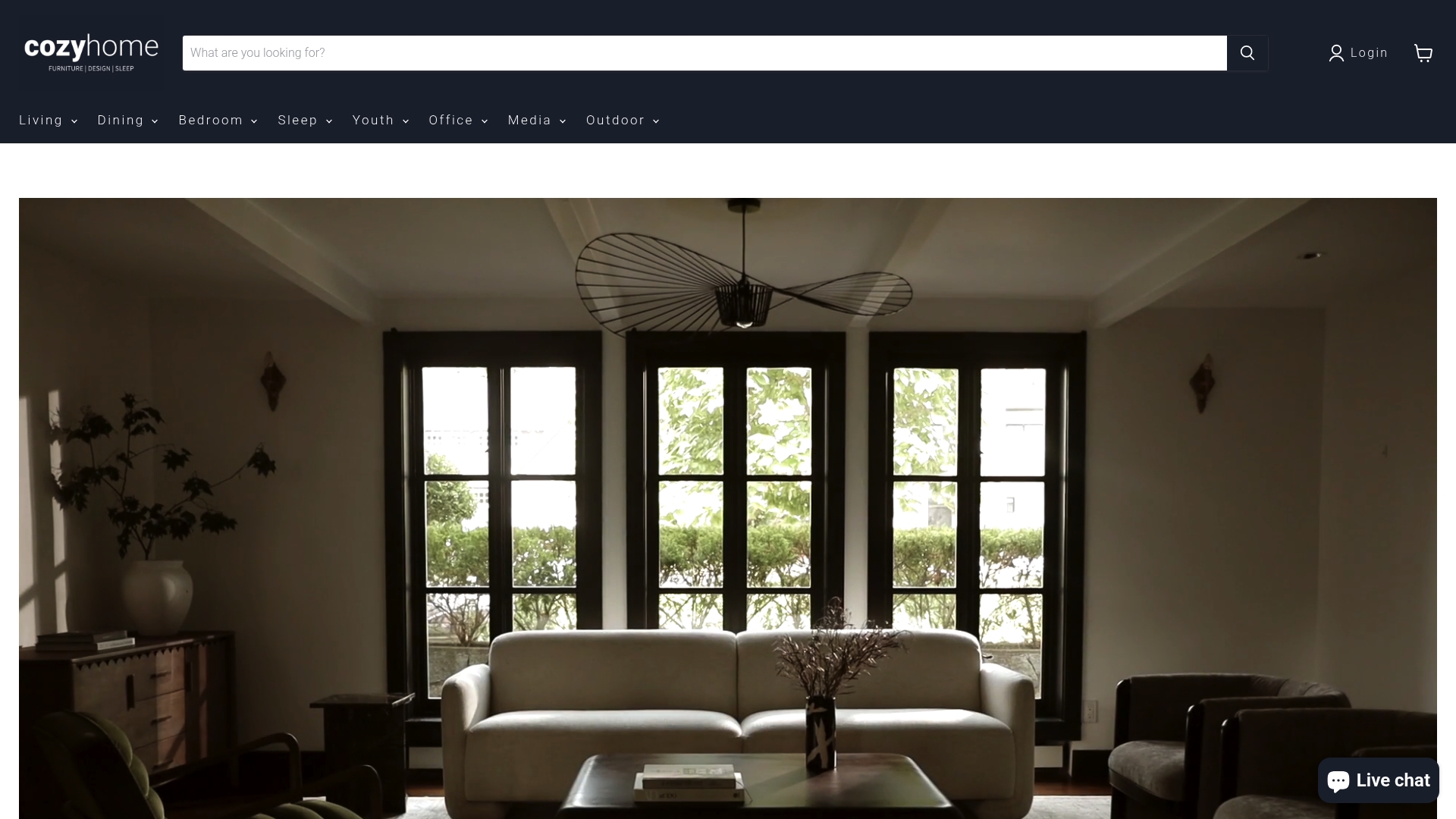
Bring a floor sample, a cabinet door or a few phone photos, and we will help you test combinations. You can also browse our living, dining and bedroom collections online first.
FAQ
Is it okay to mix light and dark wood furniture in the same room?
Yes. Contrast adds depth, and designers often recommend it over a perfect match. The key is a shared undertone and a clear difference in shade. Repeat each tone at least once more in the room so the mix looks planned.
How do I know if my wood is warm or cool?
Look at it in indirect daylight and compare it to a cool gray surface and a warm beige one. Golden, honey and red tones lean warm, while ashy and gray tones lean cool. If it looks natural against both, it is likely neutral.
Should my coffee table match my TV stand?
They do not need to match. Pieces in the same undertone family usually work well, and a different shade can add interest. If you want a calmer look, choose the same tone for both and use a rug or fabric to add variety.
Do my dining chairs need to match the dining table?
No. Chairs can echo the table or play against it, as long as the undertones agree. A painted or black piece nearby can also help tie a table and chairs of different woods together.
Sources
- How to Pair Wood Tones in Your Home Like a Designer, Veranda
- Is It a Bad Idea If All of the Wood in Your House Is the Same?, The Spruce
- Can You Mix and Match Wood Furniture Shades? Designers Weigh In, The Spruce
- 4 Designer-Approved Tips for Choosing Wood Finishes, Good Housekeeping
- 7 Fresh Kitchen Color Schemes for Budget-Friendly Upgrades