

How to Protect Furniture From Sun Fading at Home
The best way to protect furniture from sun is to work on three things together: cut the light at the window, manage where the furniture sits, and choose materials that hold their color from the start. Sun damage is cumulative and can’t be undone, so the cheapest moment to deal with it is before the first season of fading. For a new sofa or dining table headed for a bright Plano or Dallas room, the choice of fabric or finish is part of that plan, and we can help you make it in the showroom.
TL;DR
- Sunlight damage to fabric and wood builds up over time and can’t be reversed, so prevention matters more than repair.
- Window film, curtains or blinds, and a simple furniture rotation do most of the work for any room.
- Fiber and color matter: acrylic and polyester are less sensitive to sunlight than cotton, silk, rayon or nylon.
- For a sofa, sectional or dining set in a sunny room, picking the right fabric before it is made is the strongest protection of all.
Table of Contents
- What sun actually does to your furniture
- Step 1: Cut the light at the window
- Step 2: Manage where the furniture sits
- Step 3: Choose upholstery that holds its color
- Protecting wood: tables, beds and nightstands
- Can sun-faded furniture be fixed?
- A custom sofa chosen for your light
- Our view on sun, fabric and custom furniture
- Frequently asked questions
- Sources
What sun actually does to your furniture
Sunlight does more than bleach a cushion. According to the National Park Service, visible light and ultraviolet (UV) radiation fade and embrittle upholstery covers, and they fade wood stains and finishes too. The damage is cumulative, so a few hours a day adds up over months and years.
UV is not the only cause. A fact sheet from the National Fenestration Rating Council (the group that rates windows) says UV is responsible for roughly 40 to 60 percent of fading, while visible light, heat, humidity, fabric age and dyes also play a part. That is why a single fix rarely finishes the job, and why the layered approach below works better than any one product.
Wood has its own pattern. University of Florida Extension reports that most wood color change from sun happens in the first year, and that stained wood changes faster. So a new table or bed frame placed in a bright spot deserves attention right away, not after you notice a pale patch.
Step 1: Cut the light at the window
The window is where you have the most control, because every ray you stop there is a ray your furniture never sees.
UV window film and better glass
The NFRC fact sheet notes that window film and laminated glass can block up to 99 percent of UV radiation, and that low-e coated windows reflect most UV while letting visible light through. The NFRC’s consumer guide adds that standard glass blocks some but not all UV, and that low-e coatings block 75 percent of the UV that remains.

That has a practical meaning if you are replacing windows: ask for low-e glass. If you are not, UV-filtering film on the glass is the route NC Historic Sites recommends for furniture under windows, paired with shades or curtains. Remember the limit: film slows fading but does not stop it, because visible light and heat still reach the room.
Curtains, blinds and shades
Closing window coverings during the brightest hours is the simplest habit. The Spruce suggests closing curtains or blinds during peak sun hours, which is easy to do when you leave in the morning. Oklahoma State University Extension also recommends window coverings and filtered skylights to reduce fading from daylight.
A few practical notes:
- Lined drapes or solar shades on the west and south sides of the house give the most relief in the afternoon.
- Sheer curtains soften glare but let much of the light through, so pair them with something heavier for peak hours.
- Skylights need their own treatment. The Spruce mentions an amber-hued glazing sheet as a cost-effective UV blocker for them.
Step 2: Manage where the furniture sits
Even with window treatments, the layout of the room decides how much light lands on each piece.
Move fabric pieces out of the beam. The Spruce advises rearranging furniture so fabric items stay out of direct sunlight. A sofa across the room from the window, or turned so the back faces the glass, will age more evenly than one in the direct path.
Rotate. University of Florida Extension suggests rotating wood furniture in and out of the sun about every month when you can’t keep it out of direct light. Oklahoma State describes the same practice as the one stores and museums use. Swapping side tables, rotating cushions and flipping seat cushions where the design allows all spread the exposure.
Cover when you’re away. The National Park Service advises covering upholstery with clean cotton sheets when it isn’t being viewed. For a family room, that is realistic during a long trip, not every day.
Watch the hours that matter most. The sun is strongest in the middle of the day, so a room that faces west and gets hot afternoon light will need more help than one that is bright mostly in the morning.
Step 3: Choose upholstery that holds its color
This is the step most people skip, and it is the one that works for years without any daily effort. If you are buying a sofa or sectional for a bright room, the fabric is your best defense.
Fibers: what resists sun and what doesn’t
University of Florida Extension reports that cotton, silk, acetate, rayon and nylon are quite sensitive to sunlight damage, that acrylic and polyester are less sensitive, and that glass fiber is highly resistant. In plain terms, a polyester or acrylic performance fabric is a safer bet in a window-lit room than a natural cotton or a silky velvet. The National Park Service also singles out silk as especially susceptible.
If you love the look of linen or a soft natural weave, our comparison of performance fabric and linen walks through how each behaves in daily use.
Color matters too
The same University of Florida guidance says medium-intensity colors show sun fading less quickly than bright, vivid ones. A deep red or saturated teal beside a south-facing window will show change sooner than an oatmeal, taupe or mid-tone gray. Our guide to avoiding sofa color regret explains how to judge a swatch properly, including checking it in the light of your own room at different times of day.

Read the label for lightfastness
Fabric makers describe fade resistance with lightfastness ratings, which come from standardized lab tests that expose a fabric to intense light and note when it visibly changes. When you shop for a sofa for a sunny room, ask for the lightfastness information on a fabric alongside its durability information. Wear and fade are separate qualities: a fabric can handle years of sitting and still lose color in a bright window. Our explanation of what the Martindale and Wyzenbeek rub tests mean covers the wear side, and our sofa fabric guide covers kids, pets and sun together.
A quick matching guide
| Room situation | What to prioritize | Fiber direction |
|---|---|---|
| Direct sun most of the day (south or west windows) | Fade-resistant fabric, mid-tone color, plus film and shades | Polyester or acrylic performance fabrics |
| Bright but filtered light | Window coverings and rotation | Polyester blends, performance weaves |
| Mostly shaded room | Comfort and texture first | Wider choice, including natural fibers |
The fiber guidance comes from University of Florida Extension’s list of sensitive and less sensitive fibers. The rest is a way to apply it to your own room.
Protecting wood: tables, beds and nightstands
Wood suffers differently from fabric. NC Historic Sites says visible and UV light damages wax finishes and shellac, causing crazing and embrittlement, and fades dyes, paint and stains. Yale’s library care guide adds that clear finishes can turn yellow or opaque over time.
A few habits protect a dining table or bed frame:
- Keep it out of direct sun where the room allows, and draw shades during intense hours.
- Rotate accessories and place mats or runners so one patch of the surface doesn’t take all the light, which leaves a visible outline when you move something.
- Seal with furniture oil or wax. University of Florida Extension recommends this and also says to avoid products that contain alcohol, since they speed up drying.
- Keep room humidity in a steady range. Yale recommends 40 to 60 percent relative humidity for wood.
Solid wood furniture, such as the pieces in our solid wood bedroom and dining line, is meant to be lived with and to age gracefully. Placing it with the light in mind keeps that aging even.
Can sun-faded furniture be fixed?
Only partly. Yale’s guide states that damaged finishes and bleached wood can’t be restored to their original color without stripping and refinishing, and it advises against that because losing the patina can reduce a piece’s value. Faded upholstery is the same story: the dye in the fabric is gone, and the National Park Service describes the damage as irreversible.
What you can do is stop further change. Add film or window coverings, move the piece, and rotate it so the rest of the surface catches up evenly. If a sofa is already patchy and the room is where you live every day, replacing it with a fabric chosen for the light is often the cleaner reset.
A custom sofa chosen for your light
If you are furnishing a bright living room in Plano, Frisco, Allen, McKinney or elsewhere in DFW, the most dependable protection is to choose the right material before the piece is built. At our Plano showroom, we make custom, made-to-order sofas and sectionals with more than 700 fabric and leather options, and our staff guide you through fabric selection, sizing and configuration so the piece fits the room and the way you live in it.
Bring a note of which way your windows face and what time of day the light hits the seating. We’ll help you narrow the choices from there. See the full range on our made-to-order custom furniture page, or browse the rest of the collection on our main site.
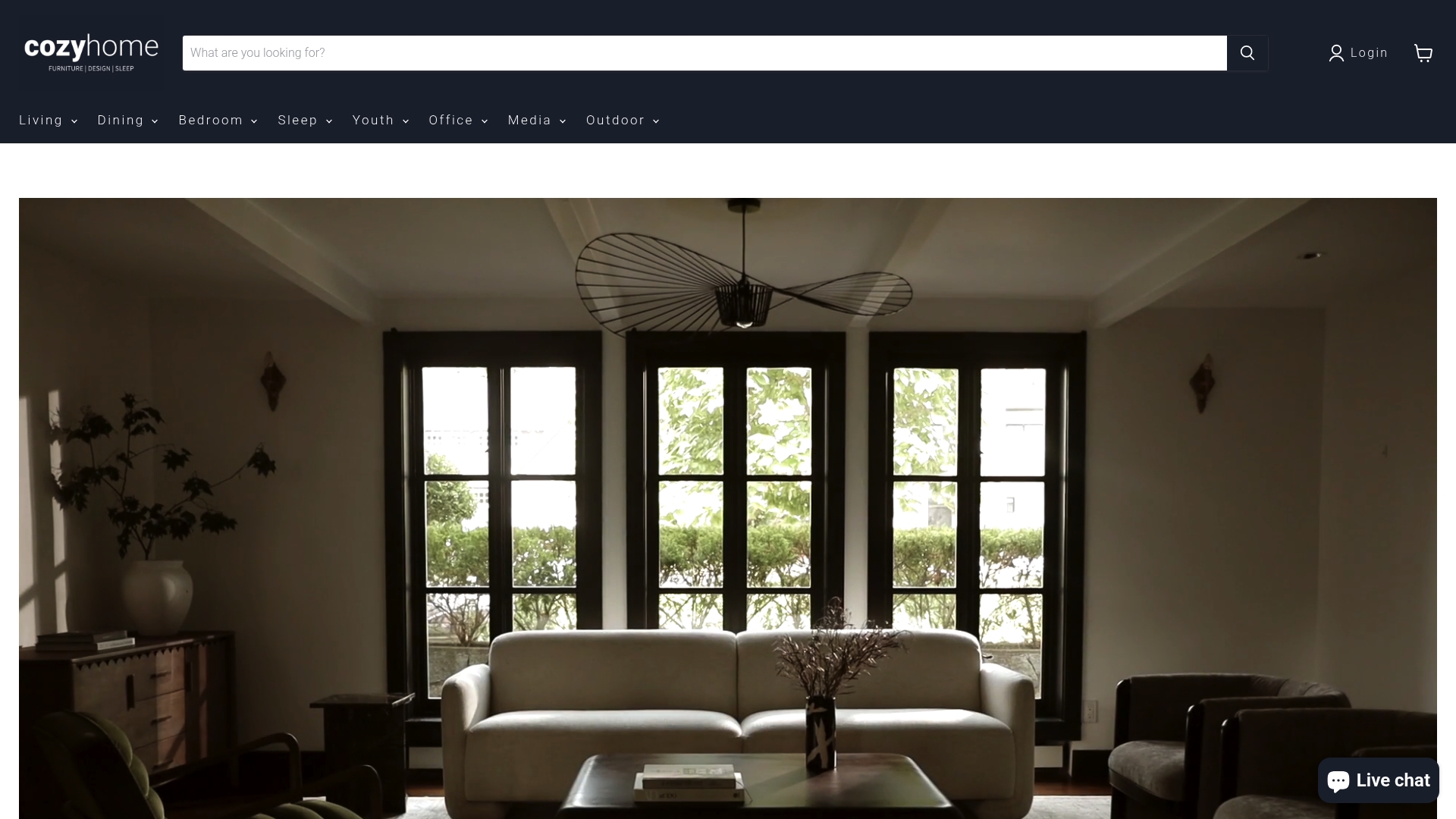
Free local delivery is part of how we make the process simple, from your first visit to final placement. Financing available.
Our view on sun, fabric and custom furniture
Most sun damage we hear about comes from a good piece in the wrong light. A sofa goes where the room’s layout suggests, the afternoon sun arrives a few months later, and the arm closest to the window starts to look different from the rest.
That’s why we like to start with the room, not the catalog. When you can pick the fabric, the size and the configuration yourself, you can also pick a material that suits a bright wall of windows, and a layout that keeps the seat you use most out of the strongest light.
American-made, made-to-order furniture lets us build around your space instead of asking your space to fit a standard sofa. With 700+ fabric and leather options to compare in person, you can hold a swatch up to your own window light before anything is made.
Window treatments and rotation help every home, and we encourage both. But the foundation is the piece itself, and that is the part we can get right with you in the showroom.
Dean P.
Frequently asked questions
Does UV window film really protect furniture?
It helps a lot, but it is not a complete fix. The NFRC says film and laminated glass can block up to 99 percent of UV, yet UV accounts for only about 40 to 60 percent of fading. Visible light and heat still contribute, so combine film with curtains or shades and sensible placement.
What is the best fabric for a sunny room?
Polyester and acrylic are less sensitive to sunlight than cotton, silk, rayon or nylon, according to University of Florida Extension. Medium tones also hold up better than very bright colors. In our showroom, we can walk you through fabric options for a specific window and seating spot.
How often should I rotate furniture?
For wood furniture that can’t stay out of the sun, the University of Florida guidance suggests about once a month. Rotating cushions and swapping accessories is easier and has a similar evening-out effect. Rotation is a habit that costs nothing and works for almost any piece.
Can I protect outdoor furniture the same way?
Outdoor pieces face more exposure, so the first choice is furniture designed for the patio. Our outdoor collection includes modular sofas and lounge chairs for that purpose. Covering pieces when they aren’t in use also reduces the hours of direct sun they take.
Sources
- NPS Conserve O Gram 7/4: Upholstered Furniture
- NFRC UV fact sheet
- NFRC Consumer Guide: Protect Your Art and Furniture
- NC Historic Sites: Caring for Your Furniture
- University of Florida Extension: furniture care guidance
- Oklahoma State University Extension: Light and Fading
- Yale University Library: Caring for furniture
- The Spruce: 7 Ways to Keep Your Living Room Furniture From Fading