

How to Mix Leather and Fabric Seating in Your Living Room
Mixing leather and fabric seating works when the pieces share an undertone, differ in texture on purpose, and carry similar visual weight. A leather sofa with two fabric chairs is the easiest place to start, and a room built that way looks collected rather than bought in one trip. At cozyhome, we build custom sofas, sectionals and chairs in 700+ fabric and leather options, so the pairing can be planned around your room instead of settled for from what is on a floor.
TL;DR
- Match undertones (warm with warm, cool with cool) instead of matching exact colors. Leather and fabric should never be the same shade.
- Let one material anchor the room and use the other for accents: a leather sofa with lighter fabric chairs is the simplest combination.
- Repeat each material at least twice, for example leather on a chair and an ottoman, fabric on a sofa and pillows, so neither looks like a one-off.
- Choose the leather finish and fabric for how you live: kids, pets and Texas sun change what lasts.
- Bring a large swatch home and look at it in daylight before you order.
Table of Contents
- Why leather and fabric belong together
- The four rules that make a mix look intentional
- Pairing a leather sofa with fabric chairs
- Pairing a fabric sofa with leather chairs
- Scale and visual weight: the part most guides skip
- Patterns and a note on color palettes
- Choosing materials for kids, pets and sun
- A simple example room
- Common mistakes to avoid
- Why made-to-order makes mixing easier
- Our perspective
- FAQ
- Sources
Why leather and fabric belong together
Leather is smooth, cool and a little formal. Fabric is soft, warm and relaxed. Put them in one room and each makes the other more noticeable. A sofa and chairs in the same material can feel flat, like a showroom set. Two materials give the eye something to move between, and the room reads as designed around you.
There is also a practical reason. Most households want the look of leather and the softness of fabric, and rarely do both jobs well in one piece. A leather sofa can take daily use, while fabric chairs add a place to curl up with a blanket. Splitting the roles lets each piece do what it is best at.
If you are furnishing a first home, mixing is also a forgiving way to buy. You can start with the sofa, then add chairs later in a fabric that suits it, without needing everything to come in one matching set.
The four rules that make a mix look intentional

1. Match undertones, not colors
This is the rule that fixes most mixed rooms. Every leather and every fabric leans warm (yellow, red, cream) or cool (blue, gray, green). A designer perspective published by Designlike suggests warm cognac leather beside cream bouclé or terracotta linen, and cool charcoal leather beside slate blue or dusty sage. The same piece also advises against matching the leather to anything else in the room.
In practice:
- Cognac, saddle, tan and chestnut leather go with cream, oatmeal, rust, olive and warm gray fabrics.
- Black, charcoal and espresso leather go with navy, slate, sage, ivory and cool gray fabrics.
- Skip a near match. A fabric that is almost the leather color but not quite looks like a mistake. Pick something clearly different in shade and the same in temperature.
2. Choose one anchor and one supporting material
Pick which material leads. If the sofa is leather, use fabric for the chairs, pillows and throw. If the sofa is fabric, leather works well on one or two accent chairs or an ottoman. Dividing the room roughly two to one gives it a clear voice. An even split tends to look indecisive.
3. Repeat each material at least twice
A single leather chair in a fabric room can look like it wandered in. Two leather pieces, such as a chair and an ottoman, or a chair and leather-trimmed pillows, look chosen. The reverse holds too. Fabric on the sofa should come back in a pillow, a drapery panel or a second chair. Repetition is what connects the pieces.
4. Vary texture, keep the lines related
Contrast belongs in the surface, not in the shape. If you have a leather sofa with clean, tailored lines, bouclé, linen or velvet chairs with a simple profile will look right beside it. A heavily tufted leather sofa and a skirted, ruffled fabric chair will argue. Keep the silhouettes in the same family and let the textures do the talking.
Pairing a leather sofa with fabric chairs
This is the pairing most people search for, and it is straightforward when you work in this order.
- Place the sofa first. Anchor the leather sofa on the longest solid wall or float it so it faces the focal point of the room, such as the fireplace or the TV wall.
- Add two chairs that face it. A pair gives symmetry. Angle them slightly toward the sofa so the group forms a conversation area.
- Choose chairs that look lighter. Slim arms and visible legs keep a dark leather sofa as the anchor and stop the chairs from competing with it.
- Tie in the rug. A rug that includes a shade from the chairs and a shade near the leather pulls the group together. Ideally the front legs of every seat rest on it.
- Finish with pillows. Pillows that combine fabric and leather, or fabric pillows in the chair color, carry the mix onto the sofa.
Fabrics that pair well with leather include tweed, velvet and nubby linen. Houzz notes that these richer fabrics make leather look more luxurious, especially when only one or two leather pieces from a set are used. Velvet is a natural question here: yes, leather and velvet go together, as long as the colors share an undertone. Velvet is plush and leather is crisp, and the difference is the point.
Pairing a fabric sofa with leather chairs
The reverse works just as well, and it is a good route when you want a big, soft sofa for movie nights. Use one or two leather chairs as the accent. A pair of leather armchairs across from a fabric sofa gives the room a library feel, and a single leather chair beside a fireplace or window feels like a reading corner.
A tip from Designlike: buy the fabric piece first, since fabric has the wider range of colors, then take a large swatch to shop for leather. Check the match in natural daylight rather than showroom lighting, because undertones shift with the light source. In Plano, where living rooms often get strong afternoon sun through west-facing windows, look at your swatch at two times of day.
The same source points out that a slightly broken-in leather piece beside a crisp new fabric piece can create a pleasing contrast. That is the idea behind patina: leather changes with use, and many owners like the way it deepens. Our guide to how leather sofa patina forms and how to care for it explains what to expect over the first years.

Scale and visual weight: the part most guides skip
Two pieces can be the same size in inches and feel different in a room. Visual weight is how heavy a piece looks, and it depends on color, leg style and arm thickness.
- Dark and solid looks heavy. A dark leather sofa reads heavier than a light fabric one of the same size.
- Exposed legs look lighter. A chair raised on slim legs lets you see the floor beneath it, so it takes up less visual space than a skirted chair.
- Thick, rolled arms look heavier than slim, track arms.
To balance, put the heavier piece where it is anchored by the room (against a wall) and lighter pieces in the open areas. If you have a large sectional in leather, choose chairs with a bit of presence, as very small chairs will look lost next to it. Chairs should be roughly the same seat height as the sofa so people sitting together can talk at eye level.
Spacing matters as much as size. Standard layout guidelines suggest leaving a walkway of about 30 to 36 inches on open sides of the seating group and setting a coffee table about 14 to 18 inches from the sofa seat, according to the room-layout guidance in PatchDecor’s leather sofa design guide. Measure your room, then tape the footprint of each piece on the floor before you decide. This is where made-to-order helps: a sofa built to fit your wall, rather than one of a few stock sizes, leaves room for the chairs to sit properly.
Patterns and a note on color palettes
If your fabric has a pattern, keep the leather plain. Leather already has grain and sheen, and it does not need a second pattern fighting it. For rooms with several patterns, tonal palettes tend to look most cohesive: Ethan Allen’s advice, summarized by Designlike, is to start with three or four patterns plus solid colors, in lighter and darker shades of the palette. Our guide on combining fabric patterns on a custom piece goes further.
On pillows, Houzz says almost any color works on black or brown leather, and suggests swapping them seasonally: blues and greens for spring and summer, cinnamon, cranberry and persimmon for fall and winter. Pillows are the cheapest way to refresh a mixed room.
Choosing materials for kids, pets and sun
A mixed room should look good in year five, not just on delivery day. Think about how the room is used before you choose finishes.
Leather finish
A buyer’s guide from LeatherCraftHaven matches finish to use. Aniline leather has the most natural look and suits low-traffic spots. Pigmented leather is more durable and wipes clean, which suits family and pet furniture. Semi-aniline sits in between and works for most living rooms. The same guide notes that leather color can vary from batch to batch, so order everything for a piece from the same dye lot.
Fabric choice
For homes with children and pets, Architectural Digest’s upholstery guide points to easy-care faux suede, indoor-outdoor performance fabric, slipcovered upholstery and distressed leather, which hides the occasional scuff. It also cautions that delicate silky textures pull and stain easily. If you want a fabric chair next to a leather sofa in a family room, a performance weave or slipcover is a safe starting point. Our guides to fabrics that survive kids, pets and sun and pet-friendly upholstery fabrics show what to look for, and slipcovered vs. upholstered sofas covers the washable route.
If your dog shares the sofa, a few dog-friendly home ideas can help you plan the rest of the room around everyday life with a pet.
Sun and aging
The Architectural Digest guide says the biggest upholstery mistake is not thinking about how a material will age, and suggests asking how it will look in five years. Direct sun is a major factor. LeatherCraftHaven calls it the quiet killer of leather, and it fades fabric as well. In a sunny Texas living room, place leather out of the direct beam where you can, close drapes during the hottest part of the day and vacuum fabric regularly.
A simple example room
Here is how the rules combine in a typical 14 by 18 foot Plano living room with a fireplace on the short wall:
| Element | Choice | Why it works |
|---|---|---|
| Sofa | Saddle-tan semi-aniline leather, track arms | Warm anchor with a clean silhouette |
| Chairs (pair) | Cream bouclé, exposed wood legs | Same warm undertone, lighter in weight, different texture |
| Rug | Wool, cream with rust and tan | Ties both materials together |
| Ottoman | Leather in the sofa tone | Repeats the leather a second time |
| Pillows | Rust linen and tan leather-trimmed | Carries both materials across the group |
| Drapery | Oatmeal linen | Softens the window and repeats the fabric |
That is two materials, one warm palette and a repeat of each. Swap the colors for charcoal leather, slate chairs and a gray rug, and the same plan works in a cooler room.
Common mistakes to avoid
- Matching too closely. Near-identical colors look like an error. Go for a clear contrast in shade, with the same undertone.
- Using one leather piece alone. Repeat it in an ottoman, a bench or trim.
- Mixing too many finishes. One leather color and one or two fabrics is plenty.
- Forgetting dye lots. If you add a leather chair later, ask for the same hide color and compare it with a swatch from the original sofa.
- Ignoring scale. Check the heights and arm widths so the chairs do not look like they belong in a different room.
- Judging color under store lights. Check swatches at home, in morning and afternoon light.
Why made-to-order makes mixing easier
Mixing is mostly about control: the exact leather tone, the exact fabric, the right size and the right arm style. With stock furniture you take what the manufacturer offers. With made-to-order, you choose each variable, which is why we believe it is the best way to build a mixed room.
At our Plano showroom, we offer custom, made-to-order sofas and sectionals with 700+ fabric and leather options, American-made craftsmanship and sizing to your room. Our in-store staff walk you through fabric selection, sizing and configuration, so the leather sofa and the fabric chairs are chosen together instead of one at a time. We offer free local delivery and flexible financing for homeowners in Plano, Frisco, Allen, McKinney and the surrounding DFW area.
If you are choosing between the two materials for a particular piece, our guide on choosing fabric or leather for custom upholstery is a good next read, and how to avoid sofa color regret covers swatch checks.
Bring your room measurements and a photo of your space to our showroom, and we can start with the sofa and build the mix around it.
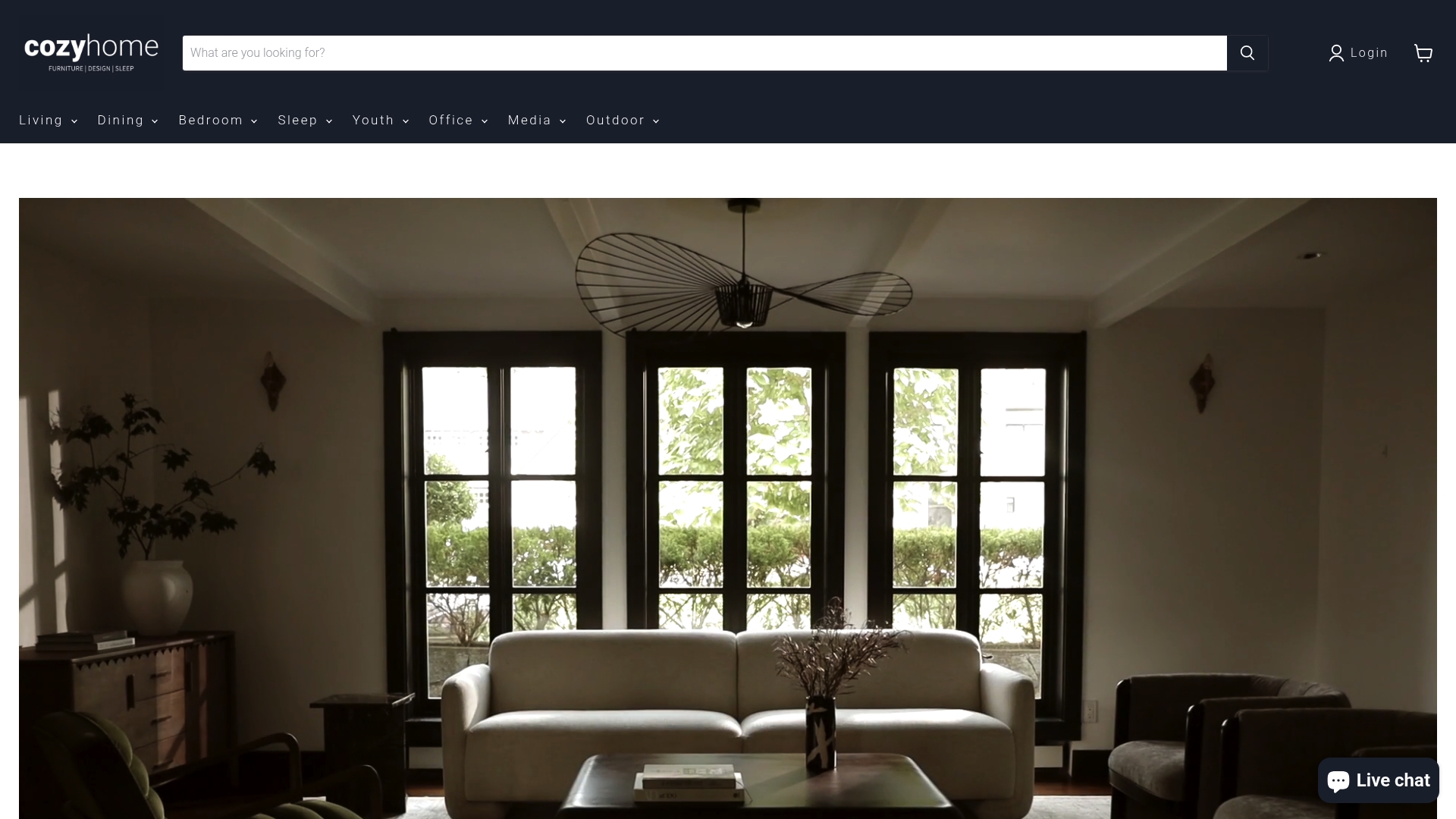
If you like the textured look, the Marion textured bouclé loveseat is one fabric option to consider beside a leather sofa, and our Marion two-tone armless loveseat gives a slim profile for smaller rooms.
Our perspective
We have seen the same pattern many times: people come in thinking they have to pick leather or fabric, and leave realizing they can have both. Leather gives a room structure. Fabric gives it comfort. The two together are what most families actually want in a living room.
The thing that makes the difference is planning the pieces as a group. When the sofa, chairs and ottoman are chosen together, the undertones agree, the scale works and the room feels settled. That is why we build furniture to order. You are not working around what happened to be on a warehouse floor. You are choosing the leather, the fabric, the size and the configuration for your own room.
Our advice is to start with how you live. If kids and pets use the room every day, we help you choose finishes that hold up. If it is a quiet sitting room, you can lean into softer, more natural materials. Either way, bring your swatches home and look at them in your own light.
Dean P.
FAQ
Can you mix leather and fabric furniture in the same room?
Yes. It is a common, well-liked approach. Keep the undertones consistent, let one material anchor the room and repeat each material at least twice. The contrast in texture is what makes the room feel layered and not matched from a set.
Should the sofa be leather or fabric?
It depends on the room. A leather sofa gives a strong anchor and suits formal or masculine spaces, and fabric chairs soften it. A fabric sofa is cozier for lounging, with leather chairs as accents. For a household with kids or pets, a pigmented leather sofa with performance-fabric or slipcovered chairs is a practical combination.
Do leather and velvet go together?
They do. Houzz notes that rich fabrics such as velvet, tweed and nubby linen make leather look richer. Match the undertone, for example cognac leather with a warm green or rust velvet, and keep the silhouettes simple.
How many different materials are too many?
In most living rooms, one leather and one or two fabrics is enough. Past that, the room begins to look busy. Use pillows, a rug and a throw to bring in variety without adding more upholstery.
Do the leather and fabric need to be the same color?
No, and they should not be. Choose the same undertone, warm or cool, but a clearly different shade. That is how the two pieces look related and still distinct.
Sources
- Designlike: 9 Sofa Pairings That Make Living Rooms Look Expensive
- Houzz: What Goes With Leather Furniture?
- Architectural Digest: What Is Upholstery and How Do You Choose the Best Fabric
- LeatherCraftHaven: Upholstery Leather Selection Buyer’s Guide
- PatchDecor: Leather Sofa Living Rooms, The Complete Design Guide