

How to Extend Your Sofa's Lifespan: Care, Repairs and Smart Buying
A well-built sofa can last 7 to 15 years, and most of the difference between the short end and the long end comes down to three things: how the sofa was built, how it is cared for, and whether it fits the household that sits on it every day. At cozyhome we build custom sofas and sectionals around the room and the people using it, so we think about that last point a lot. This guide covers the routine that keeps a sofa in good shape, how to tell what is making a couch sag, and what to do about it.
TL;DR
- A well-constructed sofa can last roughly 7 to 15 years, with about 10 typical, depending on construction, care and daily use.
- A quick weekly vacuum and prompt spill cleanup do the most for fabric. Leather needs dusting, gentle cleaning and conditioner.
- Rotate and fluff cushions often. Sagging that stays when the cushions are off the frame points to springs or the frame.
- Fit matters: a sofa sized for the room, covered in a fabric chosen for the household, wears more evenly.
Table of Contents
- How long a sofa should last
- What wears a sofa out
- A care routine that fits a busy week
- Cushion care: the easy win
- Why a couch sags, and how to find the cause
- How to fix each kind of sag
- When repair stops making sense
- Our perspective
- Choosing a sofa that is set up to last
- Custom sofas and sectionals at cozyhome
- FAQ
- Sources
How long a sofa should last
The realistic expectation for a well-constructed sofa is 7 to 15 years, with around 10 years being typical. That range is wide on purpose. The same article points to construction, maintenance and how the sofa is used as the factors that decide where a given piece lands.
At the top end, Wirecutter’s reporting credits frame quality, suspension, cushioning and upholstery for sofas that last 10 to 20 years, while sofas that skimp on those parts can wobble or look worn after only a few years. So there are two levers. The first is what you buy. The second is what you do after it is delivered. Care can only extend what the construction allows, which is why we talk about both in this guide.
A practical way to use these numbers: if a sofa is in its first five years and already sags or feels loose, that points to a fixable problem or a construction issue worth checking against the warranty. If it is at 10 years and still solid with tired cushions, there is often plenty of life left.
What wears a sofa out
A sofa is four systems working together, and each ages differently.
- The frame. This is the skeleton. A frame that stays square and does not creak or twist under weight is the base for everything else. Our guides on hardwood versus plywood frames and furniture structural integrity explain what to look at.
- The suspension. Springs, usually serpentine or coil, hold the seat up. They can loosen or come off their attachments.
- The cushions. Foam and wrap compress over time, faster when everyone sits in the same spot.
- The upholstery. Fabric or leather takes the spills, pet claws, body oils and sunlight.
The Livingetc guide lists the usual pressure points as sunlight, children, pets and daily wear. A sofa in a sunny front room with two kids and a dog ages faster than one in a quiet formal space, even if they are the same model. That is the reason fabric choice matters as much as the care routine. Our fabric guide on double-rub ratings covers how to pick a cover that suits kids, pets and sun.
A care routine that fits a busy week
The best routine is the one that actually gets done. Wirecutter’s cleaning guide says vacuuming regularly and dealing with spills promptly are what extend a couch’s life, and it puts weekly maintenance at about 10 minutes and most stains at about five minutes. Waiting is the expensive choice, because the same guide explains that stains set deeper and bind to the fibers the longer they sit.
A schedule that works for most households:
- Weekly: vacuum the seat, the back and the crevices, then plump the cushions.
- Every few weeks: rotate or flip cushions, and check that nothing is loose or squeaking.
- Each season: do a deeper clean. One expert quoted by Livingetc suggests a quick weekly vacuum and seasonal deep cleaning, with deep cleaning twice a year where sofa covers are used. Adjust it for pets, heavy use and the maker’s instructions.
Fabric sofas
Start with the care tag. The cleaning code on it tells you which products are safe, and our walkthrough of fabric cleaning codes explains what each letter means in plain terms.
From there, cleaning professionals quoted by Architectural Digest recommend:
- Vacuum first to remove loose dirt.
- Test any cleaning method on a hidden spot.
- Blot stains instead of scrubbing, which pushes them deeper.
- Follow the care tag before machine-washing any removable covers.
For a general refresh, Livingetc’s sofa care guide describes a five-step routine: brush off loose soil, leave baking soda on the fabric for at least 20 minutes and up to an hour, vacuum it up, dab stains gently with a solution you have tested first, and let the sofa dry completely before anyone sits on it. Skipping the drying step is a common way to end up with water marks or a musty smell.
Velvet has its own habits, especially around crushed pile. We cover them in our velvet sofa care guide.
Leather sofas
Leather asks for less often but more specific care. Architectural Digest advises dusting or vacuuming with a soft brush first, treating stains with a lightly dampened lint-free cloth and mild soap or leather cleaner, and applying leather conditioner once the surface is clean and dry. That guidance does not apply to suede, which needs different handling.
Cushion care: the easy win
Cushions take the most direct wear, so they are where small habits pay off. Livingetc lists age, wear, poor foam and always sitting in one spot as the usual cushion-related causes of sagging. The habits that counter them are simple:
- Rotate and flip loose cushions on a regular schedule so one seat does not carry the whole household.
- Fluff or plump after use, especially with feather or fiber-wrapped fills.
- Swap seats. If one person always takes the corner, that cushion ages faster.
- Keep removable covers on their care schedule, washing only what the tag allows.
The filling inside matters too. Foam density, wrap and fiber blends behave differently in a family room than in a formal living room. Our guide to sofa cushion fillings compares them for family, formal and pet households, which is useful both when you buy and when you decide what to put back into worn cushions.
Why a couch sags, and how to find the cause
Sagging is the most common reason people give up on a sofa, and it is often fixable. The Spruce names three usual causes: cushions that have gone soft, serpentine springs that have loosened, and springs that have broken off their attachments.
The diagnosis takes five minutes:
- Take the cushions off the sofa. Lay each one on a flat surface. If a sag stays in the cushion, that points to the cushion.
- Look at the bare seat. Livingetc’s repair guide says that if the cushions look normal off the frame, the springs and frame are where to look next.
- Press on the deck and feel for dips, loose springs or a frame that flexes.
How to fix each kind of sag
Cushion sag. The simplest fixes come first: rotation, fluffing and plumping. When the foam itself has collapsed, Livingetc lists replacement cushions or adding new foam as the remedies. The Spruce describes rebuilding the cushion with new foam and a polyester or Dacron wrap as the most effective cushion repair it covers. New foam of the right size and firmness gives a cushion that looks and feels like it did when the sofa was new.

Loose or broken springs. Per The Spruce, loose springs can be reattached and broken ones replaced. This is hands-on work. If you are not comfortable turning the sofa over and working on the underside, that is a job for an upholstery professional.
Cracked frame rails. A cracked rail needs professional repair or replacement, according to The Spruce. Livingetc also advises professional help for spring or frame trouble and says to check the frame warranty before paying for anything. If the sofa is still within its warranty, start there.

When repair stops making sense
A sofa with a sound frame and tired cushions is a good candidate for new foam or a new cover. A sofa with a cracked frame, repeated spring failures or a layout that no longer works for the room is a different case. Repairs on those add cost without fixing the root problem.
A few questions help you decide:
- Is the frame solid, with no wobble or creaking?
- Is the problem only in the cushions or the cover?
- Does the sofa still fit the room, the household and the way it is used?
- Is it still within its warranty?
If the answers to the first three are yes, repair. If the frame is the issue, or the size and layout never worked, replacing it with a better-fitted piece is usually the better use of money.
Our perspective
We make and sell custom sofas, so we see the same pattern in how long a couch holds up: the sofas that last are the ones chosen to match the way a home is lived in.
A sofa that is too deep for the room gets perched on instead of sat in. A fabric that suits a showroom but not a house with kids and a dog wears at the arms in a couple of years. A sectional configured for the wrong wall leaves one seat doing all the work. None of that is a defect. It is a fit problem, and it shortens the life of the piece.
That is why we start with the room and the household. Our team in the Plano showroom walks homeowners through fabric selection, sizing and configuration, with more than 700 fabric and leather options to choose from, so the cover, the size and the layout suit how the sofa will be used. Our pieces are American-made, and we are here after the sale as well.
Care does the rest. Weekly vacuuming, quick spill cleanup, rotated cushions and a look at the frame now and then are small habits that keep a well-chosen sofa looking and feeling right for years.
Dean P.
Choosing a sofa that is set up to last
The cheapest way to extend a sofa’s life is to buy one that will not need rescuing. A few things to check in any sofa, whoever sells it:
- Frame. Ask what it is made of and how the joints are built. Our guide to signs of quality furniture construction walks through what to look for, and 10 proven ways to choose furniture that lasts covers the wider checklist.
- Cushion fill. Match it to how the sofa will be used. Firm, resilient fills suit busy family rooms. Softer fills suit a formal space.
- Fabric. Pick for the household. Kids, pets and a sunny window each push you toward different covers.
- Size and layout. Measure the room, the doorways and the walking paths. A sofa that fits well gets used evenly.
A made-to-order piece lets you decide all four together instead of settling for what is on a warehouse floor. If you want to see how that process works, our walkthrough on designing a custom sofa from scratch covers it step by step.
Custom sofas and sectionals at cozyhome
If your current sofa has reached the point where replacing it makes more sense than repairing it, our made-to-order custom furniture is built around your space. You choose from more than 700 fabric and leather options, and our showroom staff in Plano help with fabric selection, sizing and configuration so the piece fits the room and the household. Free local delivery and flexible financing are available for homeowners in Plano, Frisco, Allen, McKinney and the wider DFW area.
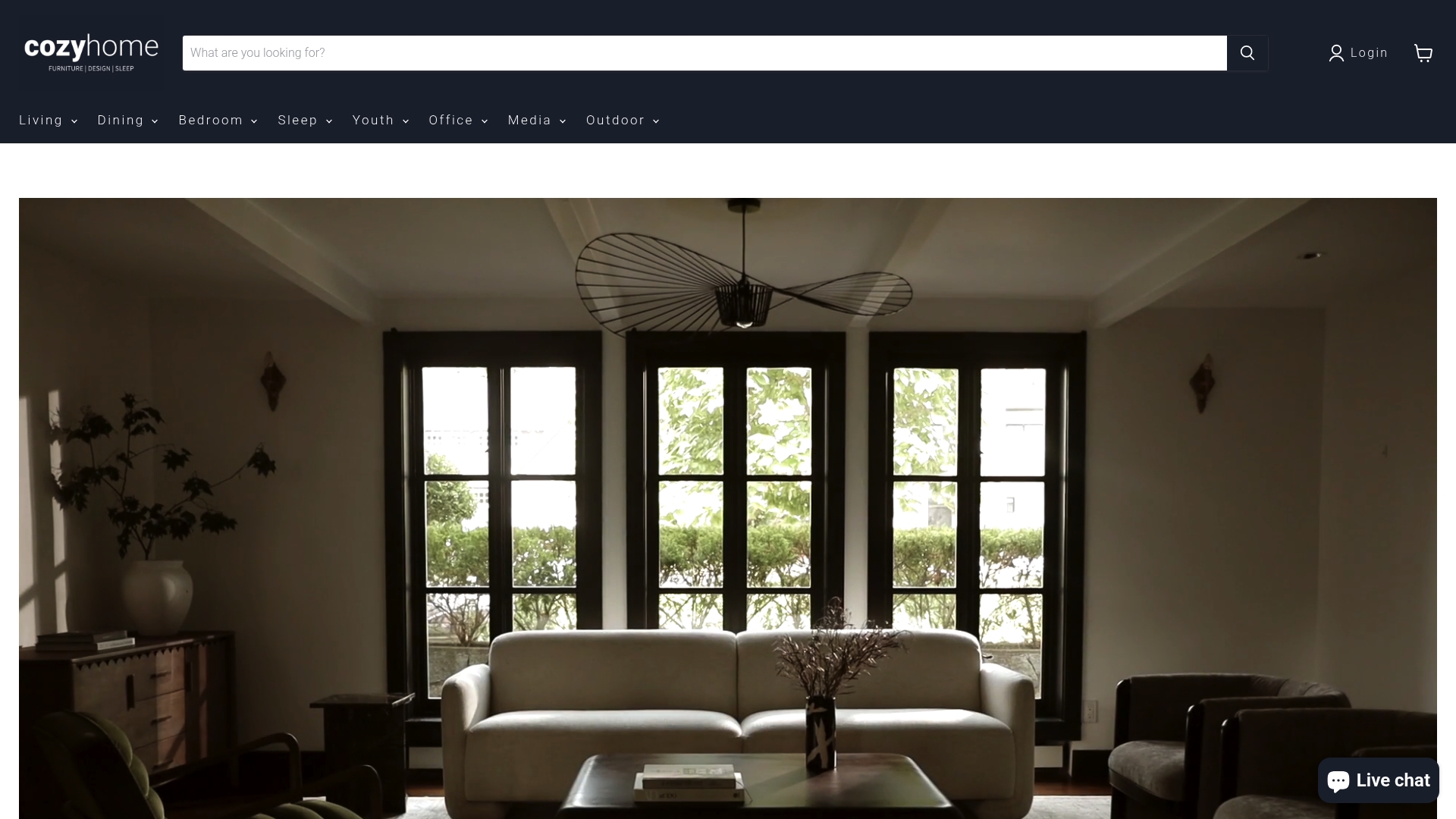
You can browse the full range of living, dining and bedroom pieces on our main collection page, or stop by the showroom to see fabrics and frames in person.
FAQ
How long should a sofa last?
A well-constructed sofa can last 7 to 15 years, with about 10 typical. Frame, springs, cushion foam, upholstery and how the sofa is used all affect where it falls in that range.
How can I fix a sagging couch?
First remove the cushions and set them on a flat surface. If they sag on their own, rebuild them with new foam and wrap. If they look fine, check the springs and frame. Loose springs can be reattached and broken ones replaced, while a cracked frame needs a professional.
How often should I clean my sofa?
A quick vacuum each week and a deeper clean each season is a schedule one expert recommends, with twice a year where covers are used. Handle spills right away, since stains set deeper the longer they sit. Adjust for pets, children and the care tag.
Should I rotate sofa cushions?
Yes, where the cushions are loose. Rotating and flipping them spreads wear across every seat, and Livingetc lists rotation among the first remedies for a sagging cushion. Switching which seat each person uses helps as well.
Sources
- How Long Should a Sofa Last? Plus Ways to Extend its Life, Livingetc
- Sofa Buying Advice From the People Who Design and Make Them, Wirecutter
- How to Clean a Sofa, Wirecutter
- How to Clean a Couch: An Expert Guide, Architectural Digest
- How to Care for a Sofa, Livingetc
- How to Repair a Sagging Couch, The Spruce
- How to Fix a Sagging Couch, Livingetc